Trump Threatens Iran: Economic War or Military Strike?
President Trump issued a stern warning to Iran, threatening to destroy infrastructure if a deal isn't reached, escalating geopolitical tensions. Meanwhile, debates continue in Washington over significant spending bills, including defense and homeland security funding, raising fiscal concerns.

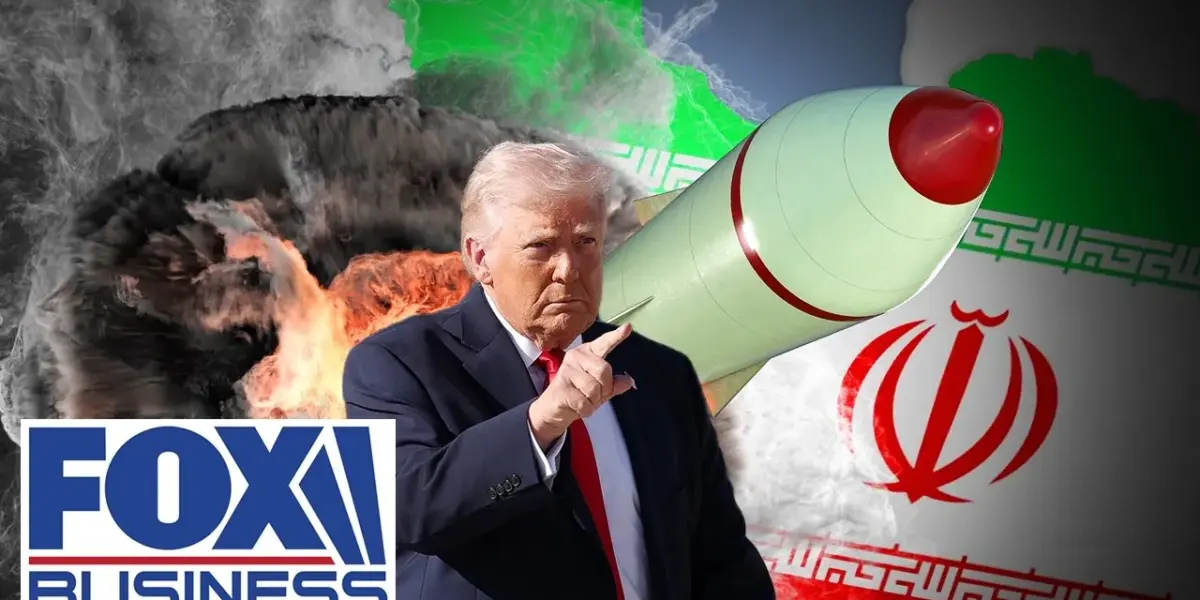
Trump Escalates Iran Tensions with Threat of ‘Finishing the Job’
President Trump posted a stark warning on Truth Social, stating that if a deal with Iran is not finalized by Tuesday night, the U.S. would “finish the job” by destroying “every power plant, every bridge in Iran.” This aggressive stance comes as the President claims the ongoing negotiations are far superior to the 2015 Joint Comprehensive Plan of Action (JCPOA) deal, which he previously labeled one of the worst ever made.
Trump also accused Iran of violating a ceasefire numerous times. These statements were discussed on national television, with Senator Rand Paul joining the program to offer his perspective on the escalating situation.
Senator Paul’s View on Diplomacy and Conflict
Senator Rand Paul expressed that, like many Americans, he believes diplomacy requires understanding how to allow adversaries to save face. This doesn’t mean giving in, but rather entering negotiations without insults or muddying the waters with inflammatory remarks. He suggested that using religious imagery, like Old Testament references to “smiting enemies,” might not be the most helpful approach in moving forward.
Drawing a parallel to World War II, Senator Paul noted that even after the atomic bombings of Hiroshima and Nagasaki, a majority of Japan’s cabinet still wanted to fight. This illustrates that people may continue fighting even when seemingly defeated. He emphasized the importance of allowing an adversary some form of an “off-ramp” or ability to save face during diplomatic processes.
Financial Matters: Reconciliation Bills and Spending Debates
The discussion also turned to financial matters, specifically potential reconciliation bills. Senator Lindsey Graham was expected to release the text of a Homeland Security funding bill, which would favor long-term funding for Immigration and Customs Enforcement (ICE). While the President desires a slim reconciliation bill, there has also been talk of a second package to address other priorities, potentially including defense spending and the “Save America Act,” before the midterm elections.
Senator Paul voiced concerns about using a partisan majority to force through spending increases. As a fiscal conservative, he prefers using the majority to reduce spending and the national deficit, aiming for a balanced budget. He expressed little enthusiasm for extensive all-night sessions to pass partisan spending bills, stating it resembles the spending habits of the opposing party.
Debate Over Defense Spending and the Save America Act
When asked if he would oppose a reconciliation bill by June or one containing defense spending and the Save America Act later in the year, Senator Paul stated he would need to see the specifics of any bill first. He affirmed his support for federal funding for ICE and Border Patrol, noting that spending for these agencies had increased by over 100% the previous summer.
However, he questioned the lack of plans to cut spending overall. He indicated that if significant spending cuts were proposed, he would try to attach them to bills like the ICE funding or any military spending increases. He observed that typically, spending increases are approved upfront, with promises of future cuts that often fail to materialize.
FISA Surveillance and Citizen Rights
The conversation touched upon the Foreign Intelligence Surveillance Act (FISA), with President Trump signing a short-term extension until April 30 to allow more time for negotiation on a longer-term reauthorization. The administration is pushing for an 18-month renewal of Section 702 of FISA without reforms.
Senator Paul is demanding an amendment related to warrants in exchange for an agreement on FISA. He recalled President Trump’s 2024 statement about killing FISA, referencing his own campaign being subjected to spying by American intelligence. He argued that FISA should not permit foreign intelligence services to spy on Americans.
Warrant Requirements for Surveillance
Senator Paul explained his position: currently, foreigners can be spied on without a warrant. This process can gather extensive cell phone information from entire countries.
He stated that the Constitution does not apply in these foreign surveillance cases. However, he raised concerns about conversations between Americans and foreigners being swept up in FISA surveillance.
He stated that intelligence agencies should not be able to investigate journalists or detectives, nor should they be able to investigate ordinary citizens simply because they communicate with a journalist. He opposes allowing the government to examine Americans’ conversations or metadata without a warrant. If a warrant is obtained, he believes the information should only be used to stop terrorism or immediate threats.
He also argued against prosecuting people for tax crimes based on information obtained from FISA databases. This surveillance should be strictly limited to foreign threats and terrorism, not domestic crimes. He concluded by stating that to investigate an American, like President Trump was allegedly investigated, a warrant should always be required, and FISA should never be used for domestic criminal investigations.
Market Impact
The heightened rhetoric regarding Iran introduces geopolitical risk, which can affect global markets. Uncertainty surrounding potential military action or severe economic sanctions can lead to increased volatility in oil prices and currency exchange rates. Investors often react to such geopolitical tensions by seeking “safe haven” assets like gold or U.S. Treasury bonds.
Domestically, the debate over reconciliation bills and government spending has implications for fiscal policy and national debt. Disagreements on spending levels, particularly concerning defense and homeland security, can impact investor confidence and the outlook for various sectors. The ongoing discussion about FISA and surveillance also raises questions about privacy and the balance between national security and civil liberties, which can indirectly influence tech and security-related industries.
What Investors Should Know
Investors should monitor developments in the Middle East closely, as any escalation in tensions with Iran could trigger significant market reactions, especially in energy markets. The outcome of the ongoing fiscal policy debates in Washington, particularly regarding spending bills and potential deficit increases, will also be crucial for assessing the broader economic environment.
The discussions around FISA reauthorization highlight ongoing debates about government surveillance powers. Changes or continued debates in this area could have implications for technology companies and the data privacy landscape. Staying informed about these geopolitical and domestic policy shifts will be key to navigating the current market environment.
The next key date for monitoring Iran negotiations and potential U.S. actions is approaching quickly.
Source: TENSIONS PEAK: Trump’s EXPLOSIVE Iran warning escalates stakes (YouTube)

Related Articles

Trump’s Rambling Rant Exposes War Strategy Failures
Donald Trump's lengthy CNBC interview revealed a pattern of contradictory statements and aggressive rhetoric on foreign policy. His claims about winning wars quickly and his conflicting remarks on Iran negotiations raise concerns about his grasp of complex geopolitical issues.

Iran Ceasefire Deadline Looms Amid US Pressure and Nuclear Concerns
The US-Iran ceasefire is nearing its expiration, with President Trump accusing Iran of multiple violations. Tensions are high as the US maintains a naval blockade and extends pressure globally. Meanwhile, Texas is suing ActBlue over alleged fraudulent donations, and Canada is addressing alleged CCP transnational repression targeting Falun Gong practitioners.


Macron Pushes Hungary on Ukraine Aid Amidst Shifting Alliances
French President Macron urges Hungary to approve a 90 billion euro loan for Ukraine, while President Zelenskyy questions reliance on Trump for peace. Ukraine is preparing updated security guarantees amid rejected Russian ultimatums and high war costs. Geopolitical tensions also rise with concerns over Iran and the Strait of Hormuz.