Trump Pauses Iran Strikes Amid Strait of Hormuz Dispute
President Donald Trump has announced a two-week pause on military strikes against Iran, contingent on the nation reopening the Strait of Hormuz. U.S. officials have not yet confirmed if a ceasefire has begun, highlighting the uncertain nature of the announcement. Iran's continued drone and missile activity also raises questions about its military capacity.

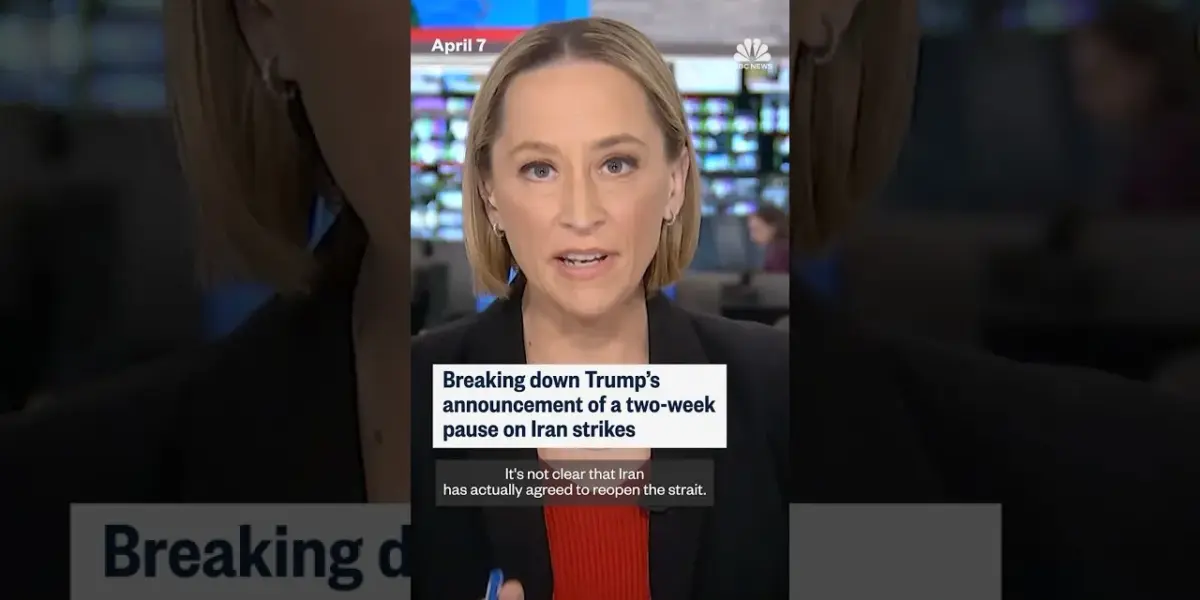
Trump Declares Two-Week Halt on Iran Military Action
President Donald Trump announced a two-week pause on military strikes against Iran, a decision revealed through his social media platform, Truth Social. This announcement came with a specific condition: the Islamic Republic of Iran must agree to the complete, immediate, and safe opening of the Strait of Hormuz. Trump stated that he would suspend bombing and attacks for this two-week period, provided Iran meets this demand.
However, as of the announcement, there was no confirmation from U.S. officials that any ceasefire had actually begun on the American side. The terms of the pause are directly tied to Iran’s actions regarding the crucial waterway, a vital chokepoint for global oil transport.
Strait of Hormuz Remains a Key Concern
The Strait of Hormuz, a narrow waterway between Iran and Oman, is critically important for the world’s oil supply. Approximately 30% of all oil traded by sea passes through this strait each day. Any disruption there can cause significant spikes in global oil prices and economic instability.
Trump’s announcement highlights the ongoing tension surrounding the strait. The condition for the pause directly addresses Iran’s past actions and threats concerning maritime traffic in the region. The U.S. is signaling that Iran’s cooperation in ensuring the free flow of commerce through the strait is a prerequisite for de-escalation.
Assessing Iran’s Military Capabilities
A significant point from Trump’s statement was his claim that the U.S. had met and exceeded its military objectives. This assertion contrasts with recent intelligence and observations of Iran’s ongoing military activities. Over the past week, Iran has demonstrated its continued ability to pose a threat to U.S. aircraft and assets in the region.
Iran has not shown signs of weakening its conventional military power. Reports indicate that Iranian forces have continued to target regional allies with ballistic missiles, striking civilian infrastructure. The daily launch of dozens of drones also suggests that Iran’s military is far from being “down and out,” as some might perceive.
Iran’s Drone and Missile Activity
The continued use of ballistic missiles by Iran, even targeting civilian areas, is a clear indication of their operational capacity. These actions underscore Iran’s willingness to project power and challenge regional stability. The daily deployment of numerous drones further emphasizes their persistent military engagement.
This activity raises questions about the effectiveness of previous military actions and sanctions in curbing Iran’s strategic capabilities. The U.S. faces the challenge of managing a regional adversary that maintains significant conventional military power despite international pressure.
Uncertainty Surrounds Ceasefire Confirmation
Despite President Trump’s announcement, the ground reality regarding a ceasefire remained unclear. U.S. officials had not confirmed the commencement of any cessation of hostilities from their side. This lack of immediate confirmation suggests a complex and potentially fragile diplomatic situation.
The success of the two-week pause hinges on Iran’s response and adherence to the stated conditions. It also depends on the U.S. military’s ability to verify any changes in Iranian behavior. The coming days will be crucial in determining whether this pause leads to a genuine de-escalation or simply a temporary respite.
Broader Implications for Regional Stability
The announcement of a pause in strikes, even with conditions, signals a potential shift in U.S. strategy towards Iran. It could be an attempt to open a diplomatic channel or to reassess the effectiveness of military pressure. The situation remains dynamic, with regional allies closely watching developments.
The ongoing tensions in the Strait of Hormuz and Iran’s continued military activities present a complex challenge for international diplomacy. The outcome of this two-week period could significantly influence the future trajectory of U.S.-Iran relations and the stability of the Middle East.
What to Watch Next
All eyes will be on Iran’s response to the demand for opening the Strait of Hormuz and on any verifiable de-escalation of military activities. U.S. officials will likely provide further updates as they monitor the situation on the ground and assess Iran’s compliance with the stated conditions.
Source: Breaking down Trump’s announcement of a two-week pause on Iran strikes (YouTube)

Related Articles


Trump’s Iran Social Media Threats: Pressure Tactic or Real Danger?
Former President Donald Trump's stark social media warning to Iran, suggesting a "whole civilization will die," has sparked global concern. Experts analyze this rhetoric as a form of digital 'gunboat diplomacy,' aimed at pressuring adversaries through unpredictable threats. While past threats have often been followed by de-escalation, the current volatile situation requires serious consideration of potential military action.


Krugman Cites Trump’s Iran Threats, Senator Eyes 25th Amendment
Nobel laureate Paul Krugman stated President Trump's threats against Iran fit his administration's definition of terrorism. Following this, a Democratic senator has raised the possibility of invoking the 25th Amendment. This discussion highlights concerns over presidential fitness and U.S. foreign policy.

Iran Rejects Trump’s Deadline, Strait of Hormuz Remains Closed
Iran has reportedly rejected President Trump's ultimatum, according to Pakistani and Gulf officials. The Strait of Hormuz remains closed, and direct negotiations with the U.S. are off the table. A Tehran law professor questioned how U.S. actions align with its stated values.