Trump Faces Backlash Over Iran War Threats
Former President Donald Trump's recent war threats against Iran have drawn sharp criticism from foreign policy experts and lawmakers. The comments, made at a rally, have intensified debates within the MAGA movement and raised concerns about regional stability. This discussion occurs as the anniversary of his 'Liberation Day' tariffs approaches, prompting reflection on his economic and foreign policy legacy.

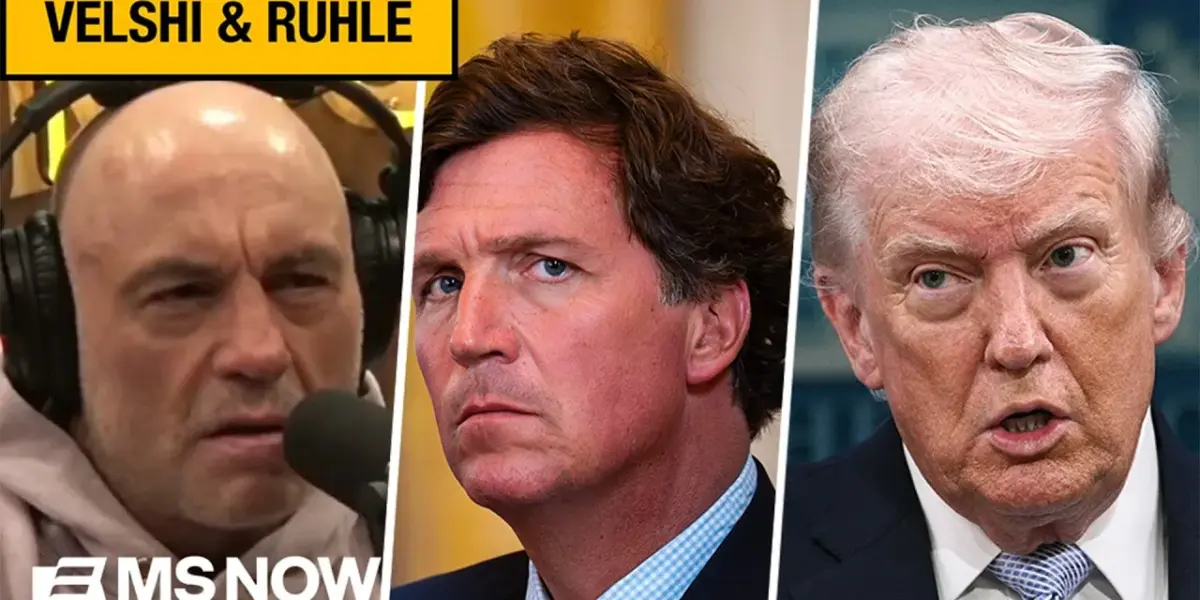
Trump Faces Backlash Over Iran War Threats
Former President Donald Trump is facing sharp criticism for his recent remarks regarding potential military action against Iran. The comments, made during a political rally, have sparked alarm among foreign policy experts and lawmakers who fear they could escalate tensions in the Middle East. Trump’s aggressive stance on Iran has drawn rebukes from various political figures, highlighting deep divisions on how to approach the complex relationship with the country.
During the rally, Trump reportedly stated that if he were re-elected, he would likely respond forcefully to any aggression from Iran. He suggested a scenario where the U.S. might attack Iran’s oil facilities, a move many believe could lead to a full-blown conflict. These statements have been widely interpreted as war threats, raising concerns about the potential consequences for regional stability and global security.
MAGA Tensions Rise Amidst Policy Debates
Trump’s rhetoric on Iran comes at a time of internal debate within the Republican party, often referred to as MAGA (Make America Great Again). While his base largely supports a strong stance against Iran, some within the party and among national security circles express caution. They worry that such direct threats could provoke Iran and lead to unintended escalation, rather than deterring aggression.
The former president’s approach has always been characterized by a willingness to challenge traditional foreign policy norms. This latest round of comments is seen by supporters as a sign of strength and a commitment to protecting American interests. However, critics argue it is reckless and could endanger U.S. troops and allies in the region.
‘Liberation Day’ Tariffs Mark One Year Anniversary
The discussion around Trump’s Iran policy also coincides with the one-year anniversary of his administration’s imposition of significant tariffs on goods from various countries, including China. These tariffs, which Trump sometimes referred to as ‘Liberation Day’ tariffs, were intended to protect American industries and reduce trade deficits. The economic impact of these tariffs remains a subject of ongoing debate.
While proponents argue the tariffs helped bring manufacturing jobs back to the U.S., opponents point to increased costs for consumers and retaliatory tariffs from other nations. The success and long-term effects of this trade policy are still being assessed, with different industries experiencing varied outcomes. The anniversary is a moment to reflect on the economic strategies employed during his presidency.
Expert Analysis and Broader Implications
Political analysts and national security experts have weighed in on Trump’s pronouncements. Many point out that direct threats of military action, especially concerning sensitive targets like oil infrastructure, can be highly inflammatory.
Such rhetoric can empower hardliners in Iran and make diplomatic solutions more difficult to achieve. It also puts allies in a difficult position, as they may not share the same aggressive stance.
The implications extend beyond the immediate U.S.-Iran relationship. A conflict in the Persian Gulf could disrupt global oil markets, leading to significant price increases worldwide.
This would affect economies globally, impacting everything from transportation costs to the price of everyday goods. The interconnectedness of global markets means that actions in this region have far-reaching consequences.
Looking Ahead: Diplomacy or Escalation?
As these debates continue, the focus remains on the potential path forward in U.S.-Iran relations. The coming months will likely see continued scrutiny of Trump’s foreign policy proposals and their reception within the international community. The effectiveness of economic pressure versus diplomatic engagement will remain a central question for policymakers.
The upcoming political calendar may also shape the discourse, as candidates articulate their visions for handling international challenges. The world watches to see if a more measured approach to diplomacy or a continuation of confrontational rhetoric will define future U.S. foreign policy towards Iran and other global adversaries.
Source: Trump REBUKED over Iran war THREATS | MAGA tensions | 'Liberation Day' tariffs one year later (YouTube)

Related Articles
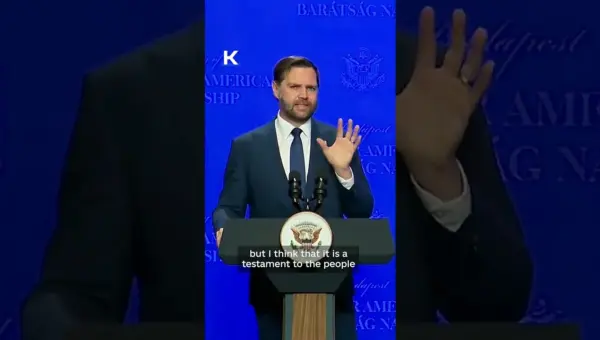
Vance Connects with Trump at Hungary Rally for Orban
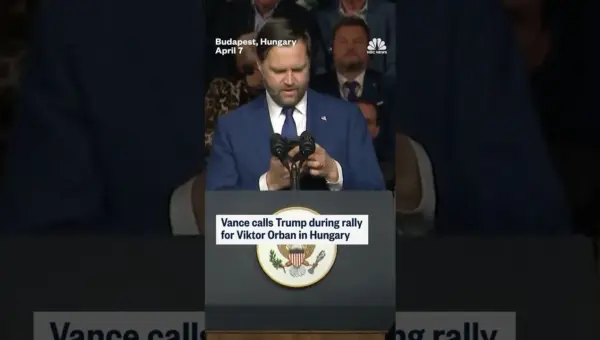
U.S. Senator J.D. Vance connected with former President Donald Trump during a rally in Hungary supporting Prime Minister Viktor Orban. Vance spoke at the conservative conference, highlighting shared views on national identity and border security. Trump's public acknowledgment during the call signaled a potential alliance between his movement and Orban's government.
Trump, Orban Push for Ukraine Peace Talks
Former President Donald Trump and Hungarian Prime Minister Viktor Orbán are reportedly leading diplomatic efforts to end the war in Ukraine. Their strategy focuses on direct talks to understand the needs of both Russia and Ukraine. This approach contrasts with current Western military aid strategies.
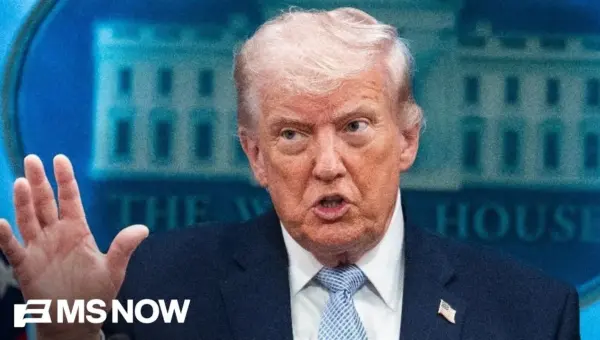
Senator Slams Trump’s ‘Unhinged’ Iran Threats, Warns of War Crimes
Senator Chris Van Hollen has strongly criticized President Trump's threats against Iran, labeling the president "completely unhinged" and warning of potential "massive war crimes." Van Hollen urged Republicans to oppose further funding for what he described as an illegal and unnecessary war. He questioned the administration's strategy and highlighted the risks to American service members.