Trump’s Iran Social Media Threats: Pressure Tactic or Real Danger?
Former President Donald Trump's stark social media warning to Iran, suggesting a "whole civilization will die," has sparked global concern. Experts analyze this rhetoric as a form of digital 'gunboat diplomacy,' aimed at pressuring adversaries through unpredictable threats. While past threats have often been followed by de-escalation, the current volatile situation requires serious consideration of potential military action.

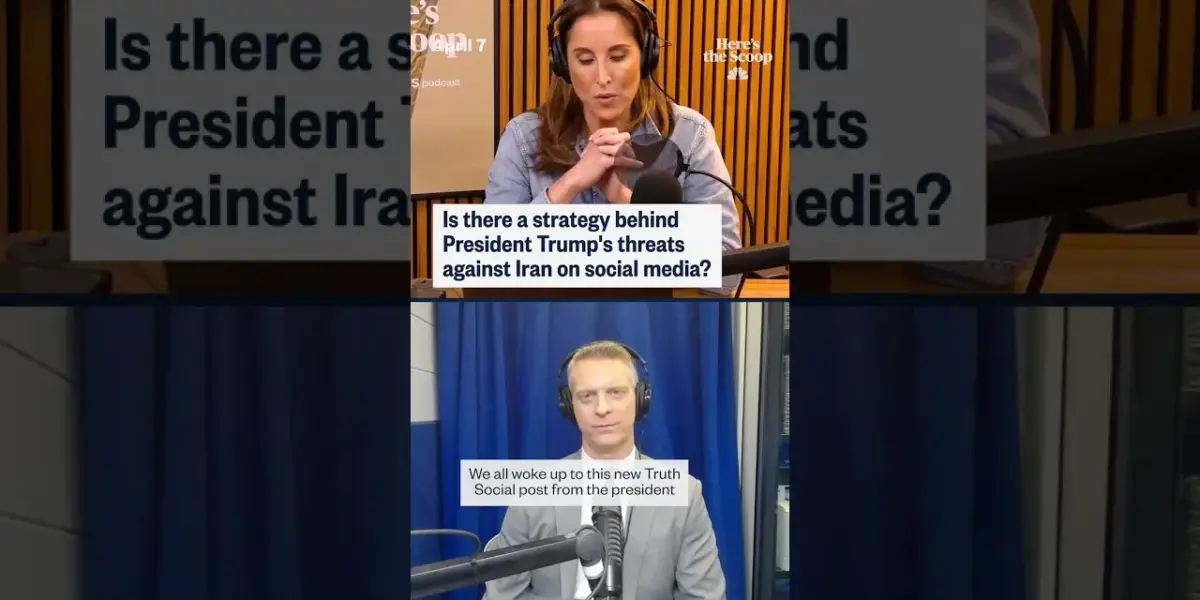
Trump’s Stark Warning to Iran Sparks Global Concern
In a dramatic social media post on True Social, former President Donald Trump issued a grave warning to Iran, stating, “A whole civilization will die tonight, never to be brought back again. I don’t want that to happen, but it probably will.” This statement, made amid ongoing tensions, has amplified concerns about the escalating rhetoric surrounding the conflict.
Examining the Strategy Behind the Rhetoric
President Trump’s social media pronouncements on Iran have significantly increased in intensity. His posts, especially those over the weekend, have drawn sharp criticism, with some Democratic lawmakers calling them “completely unstable and unhinged.” However, experts suggest a strategic method behind the seemingly impulsive language.
“The president, I think, the rhetoric is sort of boundless. I mean, looking back to the start of this conflict and to Venezuela before that, there’s nothing he’s unwilling to say if he thinks it can be used to pressure his opponent or the person at the other side of the table into reaching some kind of a deal.”
‘Gunboat Diplomacy’ today
This approach is being described as a modern form of “gunboat diplomacy,” a tactic where a nation uses the threat of military force to influence another. The goal is to apply maximum pressure to force an agreement, a method that has been a consistent part of Trump’s foreign policy playbook.
Multiple Audiences for Trump’s Message
The intended audience for these strong statements appears to be complex. Firstly, there is the Iranian regime itself, meant to convey the seriousness of potential consequences. Secondly, there is a domestic audience, which may respond to strong leadership pronouncements.
A global audience is being targeted. This includes other nations that might influence Iran’s decisions, conveying that Trump’s threats are not hollow. The strategy seems to rely on the idea that if opponents believe Trump is unpredictable and willing to take extreme actions, they will be more inclined to negotiate to avoid such outcomes.
The ‘Madman Theory’ and Past Precedents
This tactic aligns with what has been called the “madman theory” of politics. The theory suggests that by appearing irrational or unpredictable, a leader can gain an advantage in negotiations. The belief is that other parties will seek to appease such a leader to prevent potentially catastrophic decisions.
However, this strategy has a history of mixed results. There have been numerous instances where Trump has made strong threats only to back down later. This pattern has led to the Wall Street idiom that “Trump always chickens out,” suggesting his threats may be mere talking points rather than firm commitments.
Weighing the Risks of Escalation
Despite the history of backing down, the current situation demands that the possibility of serious escalation be treated with gravity. Given Trump’s past actions, dismissing the threats entirely would be unwise. Many observers are still treating the possibility of a significant military escalation as a real concern.
However, time may still offer pathways for de-escalation. Experts note that there are often “off-ramps” available, which are legitimate ways for leaders to step back from confrontation without losing face. These options remain appealing for various reasons, suggesting that a peaceful resolution is still possible.
What Comes Next
As the situation develops, the world watches to see if President Trump’s rhetoric translates into concrete action or if diplomatic channels will prevail. The coming hours and days will be critical in determining the outcome of this tense standoff.
Source: Is there a strategy behind President Trump's threats against Iran on social media? (YouTube)

Related Articles

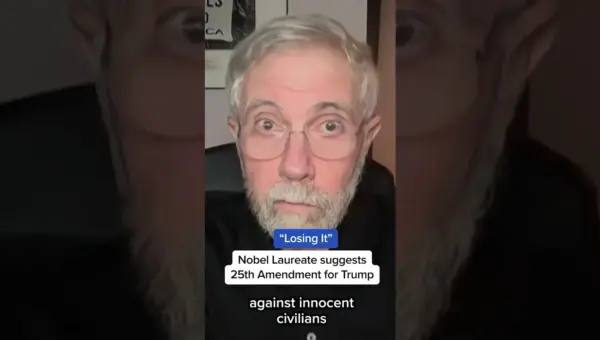
Krugman Cites Trump’s Iran Threats, Senator Eyes 25th Amendment
Nobel laureate Paul Krugman stated President Trump's threats against Iran fit his administration's definition of terrorism. Following this, a Democratic senator has raised the possibility of invoking the 25th Amendment. This discussion highlights concerns over presidential fitness and U.S. foreign policy.
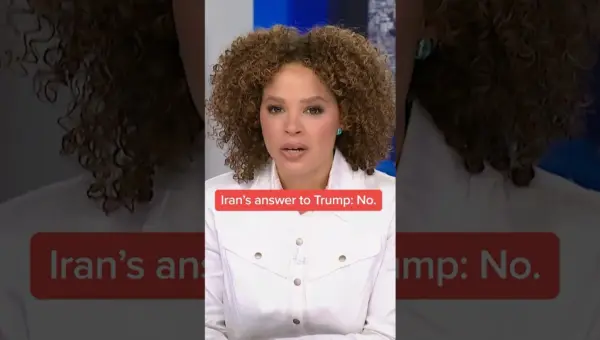
Iran Rejects Trump’s Deadline, Strait of Hormuz Remains Closed
Iran has reportedly rejected President Trump's ultimatum, according to Pakistani and Gulf officials. The Strait of Hormuz remains closed, and direct negotiations with the U.S. are off the table. A Tehran law professor questioned how U.S. actions align with its stated values.

Trump Faces Backlash Over Iran War Threats
Former President Donald Trump's recent war threats against Iran have drawn sharp criticism from foreign policy experts and lawmakers. The comments, made at a rally, have intensified debates within the MAGA movement and raised concerns about regional stability. This discussion occurs as the anniversary of his 'Liberation Day' tariffs approaches, prompting reflection on his economic and foreign policy legacy.