Iran Rejects Trump’s Deadline, Strait of Hormuz Remains Closed
Iran has reportedly rejected President Trump's ultimatum, according to Pakistani and Gulf officials. The Strait of Hormuz remains closed, and direct negotiations with the U.S. are off the table. A Tehran law professor questioned how U.S. actions align with its stated values.

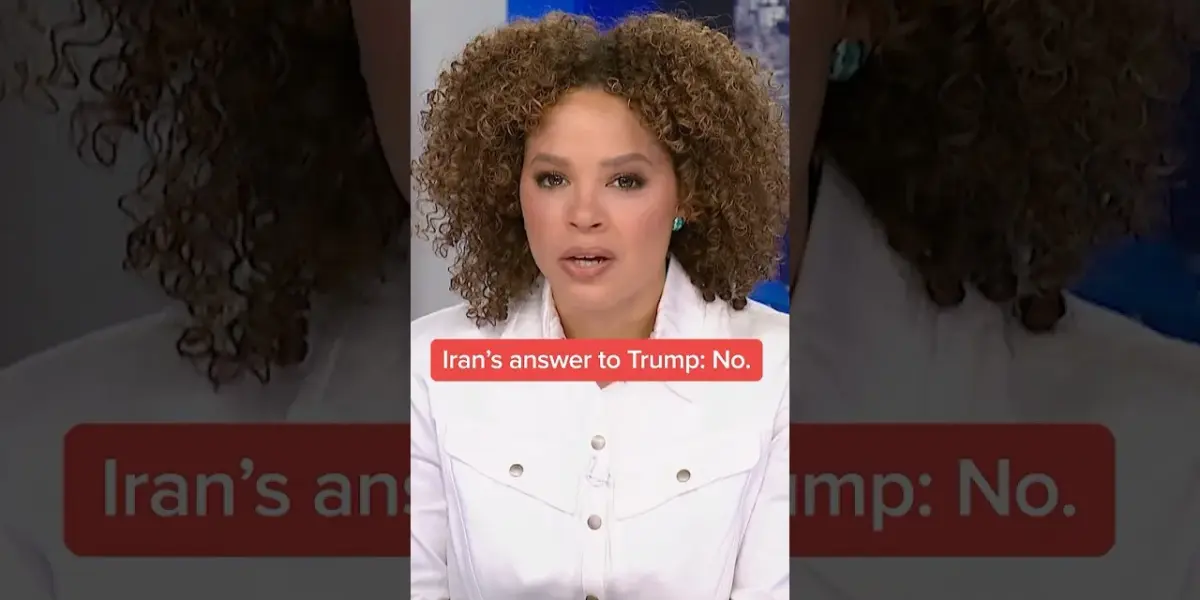
Iran Defies Trump Deadline, Strait of Hormuz Stays Shut
Iran has reportedly given a definitive ‘no’ to President Trump’s ultimatum, according to sources speaking with Pakistani and Gulf officials. The deadline, set for 8 p.m. Eastern Time, passed without any indication of compliance from Tehran.
This rejection means the vital Strait of Hormuz will remain closed, and direct negotiations with the United States are off the table. Iran is choosing to hold onto its strategic leverage rather than concede to American demands.
Tehran’s Perspective on US Demands
The defiant stance from Iran comes amid strong internal sentiment regarding American foreign policy. One Tehran law professor, speaking anonymously, questioned the very foundation of President Trump’s approach.
The professor asked how a U.S. president could possibly seek to undermine 250 years of American values through his actions. This sentiment highlights a perceived contradiction in U.S. foreign policy, suggesting a disconnect between stated ideals and actual practice.
Strait of Hormuz: A Critical Global Chokepoint
The Strait of Hormuz is a narrow waterway that connects the Persian Gulf to the open ocean. It is one of the world’s most important oil transit points.
Approximately 30% of the world’s oil traded by sea passes through this critical chokepoint every day. Iran has previously threatened to close the strait as a means of retaliation or pressure against its adversaries, particularly the United States and its allies.
Geopolitical Tensions and International Relations
This latest development occurs within a highly charged geopolitical environment. Tensions between the United States and Iran have been escalating for some time.
President Trump withdrew the U.S. from the Joint Comprehensive Plan of Action (JCPOA), commonly known as the Iran nuclear deal, in 2018. This move was followed by the re-imposition of stringent sanctions on Iran’s economy.
Iran’s response, or lack thereof, to the deadline signals a continued commitment to its current foreign policy direction. The regime appears unwilling to engage in direct talks under what it perceives as duress. This approach suggests a strategic calculation that maintaining its current position offers greater long-term benefits than accepting the terms presented by the U.S.
The Role of Regional Diplomacy
The involvement of Pakistani and Gulf officials as conduits for information is noteworthy. It suggests that regional players are actively engaged in observing and perhaps mediating the situation.
These countries often find themselves caught between the U.S. and Iran, making their perspective crucial to understanding the dynamics at play. Their reporting indicates that direct communication channels may be limited, forcing reliance on indirect sources.
The refusal to negotiate directly also points to a lack of trust between the two nations. Iran has consistently accused the U.S. of not acting in good faith.
The professor’s comment about American values could be interpreted as a critique of perceived hypocrisy in U.S. foreign policy. It suggests that Iran views the U.S. demands as inconsistent with principles of international law and respect for sovereignty.
Economic and Security Implications
The continued closure of the Strait of Hormuz has significant economic implications for global energy markets. Fluctuations in oil prices and supply can be directly linked to events in this region. The standoff also raises concerns about regional security and the potential for miscalculation that could lead to wider conflict.
Iran’s strategy appears to be one of resilience and resistance. By holding onto its leverage, such as control over the Strait of Hormuz, Tehran aims to force concessions or at least prevent further escalation on terms dictated by Washington. The international community watches closely as this high-stakes diplomatic standoff continues to unfold.
What’s Next in the Standoff
With the deadline passed and Iran’s response a clear rejection, attention now turns to the next steps for the United States. The Trump administration faces a decision on how to proceed without direct engagement from Tehran.
The coming days will reveal whether the U.S. opts for increased pressure, seeks alternative diplomatic routes, or maintains its current stance. The situation remains fluid, with global markets and international relations hanging in the balance.
Source: Iran's answer to Trump: No (YouTube)

Related Articles

Trump Faces Backlash Over Iran War Threats
Former President Donald Trump's recent war threats against Iran have drawn sharp criticism from foreign policy experts and lawmakers. The comments, made at a rally, have intensified debates within the MAGA movement and raised concerns about regional stability. This discussion occurs as the anniversary of his 'Liberation Day' tariffs approaches, prompting reflection on his economic and foreign policy legacy.

Jet Fuel Crisis Looms: Global Travel Faces Disruption
A severe jet fuel shortage looms as the conflict in the Middle East has effectively closed the Strait of Hormuz, impacting global oil supply. Airlines worldwide are preparing for higher costs, route reductions, and potential flight cancellations. The crisis is expected to raise ticket prices and affect supply chains, leading to broader economic consequences.
Senator Slams Trump’s ‘Unhinged’ Iran Threats, Warns of War Crimes
Senator Chris Van Hollen has strongly criticized President Trump's threats against Iran, labeling the president "completely unhinged" and warning of potential "massive war crimes." Van Hollen urged Republicans to oppose further funding for what he described as an illegal and unnecessary war. He questioned the administration's strategy and highlighted the risks to American service members.