Trump Sees Iran War Ending Soon Amidst Escalating Threats
U.S. President Donald Trump expressed optimism that the conflict with Iran could end soon, despite ongoing threats between the two nations. A senior Iranian official warned of regional trade blockades if U.S. naval blockades are not lifted. Experts caution that any deal must address core issues, not just short-term military gains, to achieve lasting strategic success.

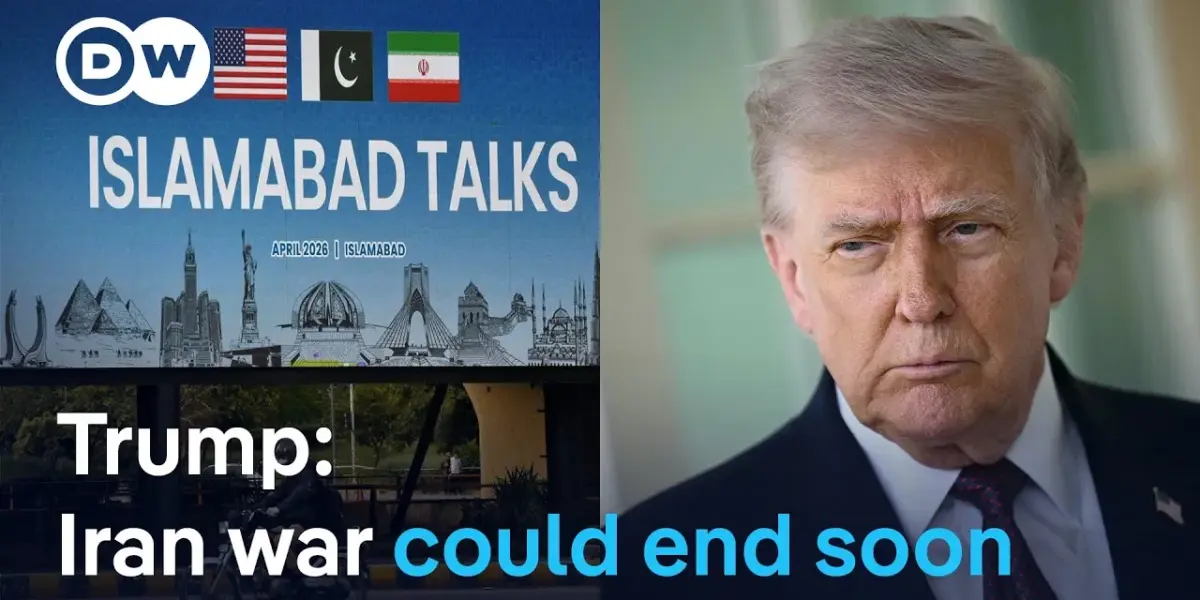
Trump Signals End to Iran Conflict Amidst Ongoing Tensions
U.S. President Donald Trump has expressed optimism that the conflict with Iran could conclude soon, suggesting a potential breakthrough in the coming days. This statement comes as both nations continue to exchange threats, highlighting the volatile nature of the situation.
Iran Threatens Regional Trade Blockade
A senior Iranian military official issued a stern warning, threatening to halt all trade in the region if the United States does not lift its naval blockade. Commander of Iran’s joint military command stated that Iran would completely block exports and imports across vital waterways, including the Persian Gulf, the Sea of Oman, and the Red Sea. The U.S. military confirmed its blockade on Iranian ports is fully in effect, with guided missile destroyers enforcing the operation impartially.
Failed Talks and Potential for Renewed Negotiations
President Trump’s announcement followed failed talks in Islamabad between Washington and Tehran over the weekend. However, officials from Pakistan, Iran, and several Gulf states suggest that negotiating teams from the U.S. and Iran might return to Islamabad later this week. This indicates a possibility of renewed diplomatic efforts to de-escalate the crisis.
President Trump’s Optimism on Ending the Conflict
Speaking on Fox Business Network, President Trump conveyed his belief that the situation is “very close to over.” He suggested that Iran is eager to reach a deal, stating, “I think they want to make a deal very badly.” Trump also commented on the strategic advantage the U.S. holds, noting that if American forces were to withdraw immediately, it would take Iran decades to rebuild its capabilities.
“I think it’s close to over here. I I mean, I view it as very close to over. You know what? If I pulled up stakes right now, it would take them 20 years to rebuild that country. And we’re not finished. We’ll see what happens. I think they want to make a deal very badly.” – Donald Trump, U.S. President
Expert Analysis: Critical Juncture Ahead
Jonathan Panikoff, head of the Scowcroft Middle East Security Initiative at the Atlantic Council, described the next two weeks as “critical.” He believes President Trump is seeking a negotiated end to the war and sees room for compromise on key issues, such as Iran’s nuclear enrichment capabilities. Panikoff noted that proposals last week showed flexibility, with the U.S. suggesting a 20-year prohibition on enrichment, while Iran countered with five years, indicating potential for negotiation.
Risks of a Superficial Agreement
Panikoff also raised concerns that the positive reaction in stock markets and falling oil prices might push Washington to declare success prematurely, potentially before core issues are fully resolved. He highlighted the risk that the U.S. might walk away without addressing all critical challenges, such as Iran’s ballistic missile program, its proxy network, and its nuclear ambitions, including existing stockpiles of highly enriched uranium. This could leave Iran in a stronger strategic position than before the conflict began.
Distinguishing Military Success from Strategic Victory
The conversation explored the difference between short-term military gains and long-term strategic success. A true strategic victory, according to Panikoff, would involve a comprehensive agreement limiting Iran’s enrichment permanently, a clear plan for its existing highly enriched uranium, and the restoration of freedom of navigation through the Strait of Hormuz without Iranian tolls or profit. Without these elements, even a diminished Iranian military capability might not represent a lasting strategic win for the U.S. and its allies.
The Strait of Hormuz: A Powerful Lever
Panikoff emphasized the significant leverage Iran has gained through its control over the Strait of Hormuz, suggesting this influence might be more impactful than acquiring a nuclear weapon. Iran’s ability to affect global energy markets and impact various sectors like petrochemicals and agriculture demonstrates a newfound power that it is likely to leverage going forward.
Trust and Future Guarantees
A key challenge in any potential deal is Iran’s trust in U.S. commitments, especially after President Trump withdrew from the Joint Comprehensive Plan of Action (JCPOA) in 2018. Hardliners in Iran viewed this as proof that the U.S. cannot be trusted. Panikoff suggested that Iran might be looking to exploit divisions within the U.S., particularly within the Republican party, hoping to secure an agreement that segments of American politics would support, regardless of future administrations.
Iranian Hopes for Political Divisions
The discussion touched upon the possibility of Iran favoring certain political outcomes in the U.S., such as a Democratic administration more inclined to negotiate, or the ascendance of the MAGA wing within the Republican party, which might be less interested in resuming conflict. This strategic calculation could influence Iran’s approach to negotiations, seeking assurances that a deal will endure beyond the current administration.
Source: Despite mutual threats US President Donald Trump says the war with Iran could end soon | DW (YouTube)

Related Articles

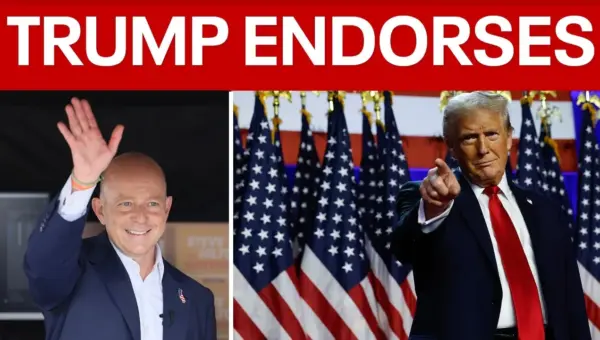
Trump Backs Hilton for CA Governor Amidst Chaotic Race
The California governor's race is in turmoil as Eric Swalwell withdraws, leaving Democrats scrambling. Meanwhile, Republican Steve Hilton secures a major endorsement from former President Trump. Billionaire Tom Steyer gains traction with the CTA's backing, while Katie Porter faces name recognition hurdles.
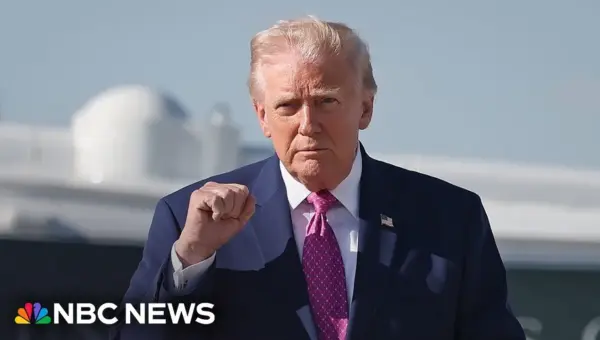
US-Iran Peace Talks Stall; Gap ‘Wider Than Strait of Hormuz’
Peace talks between the U.S. and Iran remain stalled, with a significant gap described as 'wider than the Strait of Hormuz.' Despite White House optimism about ending the conflict and lowering gas prices, public opinion shows weariness and concern over the war's economic toll. International diplomatic efforts continue, but major hurdles persist in resolving key issues.

Iran’s Jets Take Flight: Are Hardliners Steering Nuclear Talks?
Iran's fighter jets have been seen flying during a ceasefire, challenging claims of a destroyed air force. This comes as hardliners appear to gain influence, complicating nuclear negotiations. The U.S. and Israel remain on alert.