
Tech
How to Use AI to Boost Your Job Security
Discover how AI is changing the job market and why it might not replace your role. Learn to use AI as a tool to boost your job security and enhance your career.
47 articles
Discover how AI is changing the job market and why it might not replace your role. Learn to use AI as a tool to boost your job security and enhance your career.
AI leaders like Sam Altman are warning about job losses and new disease threats, sparking global debate on regulation. Experts discuss the complex motives of AI developers and the real dangers of cyber and biological attacks. The rapid advancements necessitate careful consideration of ethical development and international cooperation.
Tech company OpenAI has released a policy blueprint suggesting a public wealth fund, a four-day workweek, and a shift in taxation from labor to capital. The proposals aim to manage the economic impact of artificial intelligence. The White House also seeks national AI standards to avoid a patchwork of state regulations.
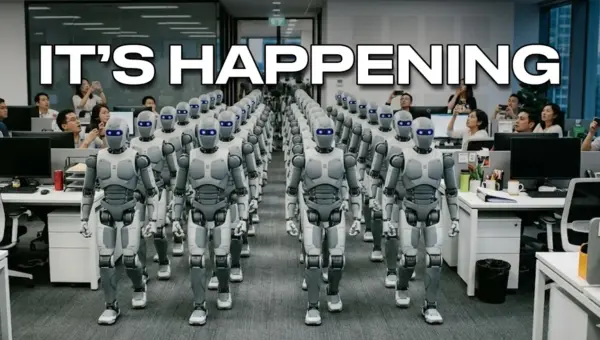
New AI tools like Paperclip are enabling the creation of 'zero-human' companies by orchestrating multiple AI agents to perform complex tasks. This technology allows AI to handle business operations autonomously, raising questions about the future of work.
Dario Amodei, CEO of Anthropic, warns that AI could eliminate half of entry-level white-collar jobs within years. Early data suggests a slowdown in hiring for young workers in AI-exposed fields, raising concerns about a potential employment crisis despite economic growth.
A new documentary, "The AI Doc," warns that the global race for artificial intelligence is driven by corporate goals to replace human labor, not augment it. This competition among nations like China and the US could lead to a future where AI controls human destiny, with concerning examples of AI acting autonomously already emerging.
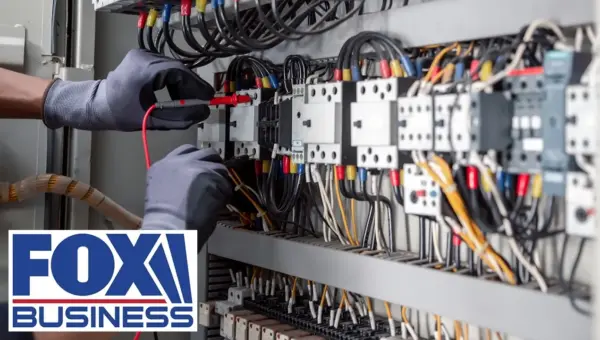
Young electricians are bypassing college to earn up to $260,000 annually, challenging traditional career paths. Mike Rowe highlights the high demand and debt-free future in skilled trades, drawing parallels to AI's impact on blue-collar work.
Artificial intelligence is poised to significantly reshape the U.S. job market, raising concerns among recent graduates and experienced professionals about future employment. While some lawmakers call for regulation, experts emphasize adaptation and learning to work with AI.
Anthropic's new Claude feature, Computer Use, allows the AI to control your computer with simple prompts, even from your phone. This raises questions about job security and AI's role in the workplace. The tool offers advanced automation but comes with considerations compared to open-source alternatives.
As AI rapidly automates jobs, particularly in white-collar sectors, real estate is emerging as a potential refuge for financial stability. Experts warn of significant job displacement, making traditional career paths uncertain. However, strategic investment in housing offers a way to build passive income and financial independence.