Supreme Court Hears Birthright Citizenship Challenge
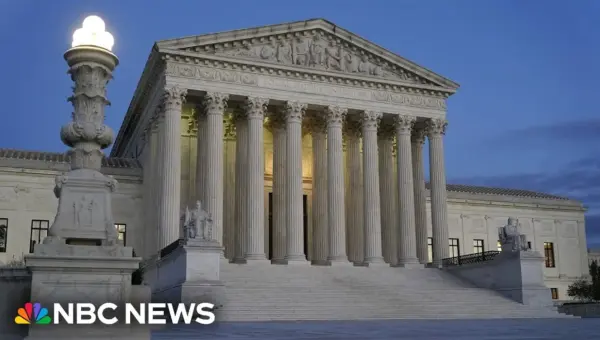
The Supreme Court heard arguments challenging President Trump's order to end birthright citizenship for children of undocumented immigrants. Justices questioned the practicality of the plan, while the administration cited 'birth tourism.' The outcome could affect an estimated 200,000 babies born annually.

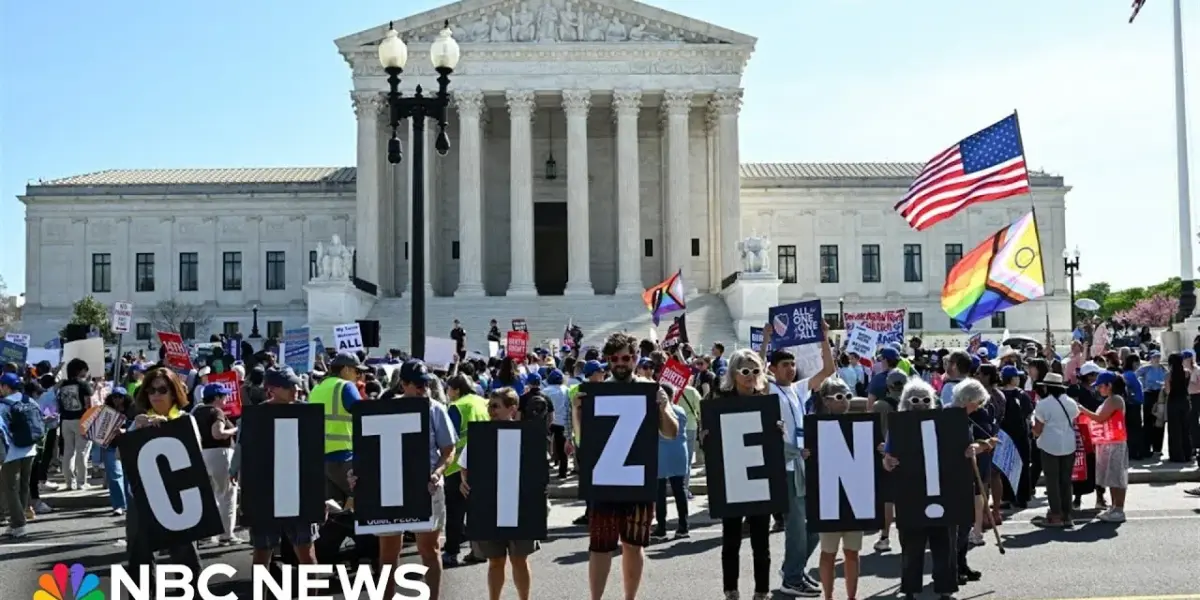
Supreme Court Weighs Birthright Citizenship Order
The Supreme Court heard arguments on a controversial plan by President Trump to end birthright citizenship for children of undocumented immigrants. This move, if allowed, would challenge a long-standing interpretation of the 14th Amendment.
The Constitution guarantees citizenship to nearly everyone born on U.S. Soil. Justices peppered the government’s top lawyer with tough questions about the order’s practical effects.
Questions About Practicality and Intent
One justice asked how such a policy would even work, questioning when a parent’s intent to remain in the U.S. Would be determined. “Are you suggesting when a baby is born people have to have documents and present them, is it happening in the delivery room?” one justice inquired. The Solicitor General, representing the administration, emphasized that the executive order aimed to stop “birth tourism.” This refers to people traveling to the U.S. Specifically to give birth and secure citizenship for their child.
“We’re in a new world, billions of people are an hour away from having a U.S. Citizen child.”
The administration argued that the current system is being exploited. The Solicitor General stated that the world has changed, making it easier than ever for people to travel and have children who become U.S. Citizens.
However, a justice countered that the world may be new, but the Constitution remains the same. This highlights the core legal debate: whether the 14th Amendment’s text can be reinterpreted to exclude certain groups.
Historical Context and Constitutional Interpretation
President Trump has called birthright citizenship a “scam.” He believes undocumented immigrants are unfairly taking advantage of the rights granted by the 14th Amendment. The President stated the amendment was originally intended for the children of former slaves, not for those who entered the country illegally. This historical interpretation is a key part of the administration’s argument against the current practice.
Despite the President’s push, the executive order has faced significant hurdles. It has been blocked by lower courts multiple times.
If the Supreme Court were to allow it, the change would only affect future births. It would not apply retroactively to individuals already born in the U.S. The potential impact is substantial, as an estimated 200,000 babies born each year could be affected.
The Role of Congress and Future Rulings
Legal analysts suggest the justices see the 14th Amendment’s language as quite clear on citizenship. However, they may have found another way to rule against the President’s order. A key federal immigration law passed in the 1950s mirrors the language of the 14th Amendment regarding citizenship.
The Court could point to this law as evidence that Congress intended to uphold birthright citizenship. This would provide a legal basis to overturn the executive order without directly reinterpreting the Constitution.
The President expressed a desire for a swift decision, even attending the oral arguments himself. However, the Supreme Court does not appear to be in a hurry.
They have not placed the case on an expedited schedule. A final decision may not be reached until the end of June, leaving the status of birthright citizenship in legal limbo for several months.
Source: Birthright citizenship arguments at Supreme Court (YouTube)

Related Articles

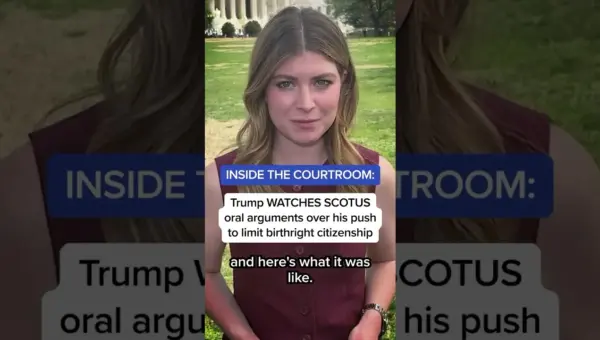
Trump Attends SCOTUS Hearing on Birthright Citizenship
Former President Donald Trump attended Supreme Court oral arguments on birthright citizenship, the first sitting president to do so. His administration argued to limit the 14th Amendment's guarantee of citizenship to those born in the U.S. Legal experts and the justices themselves appeared skeptical of the arguments challenging long-standing precedent.
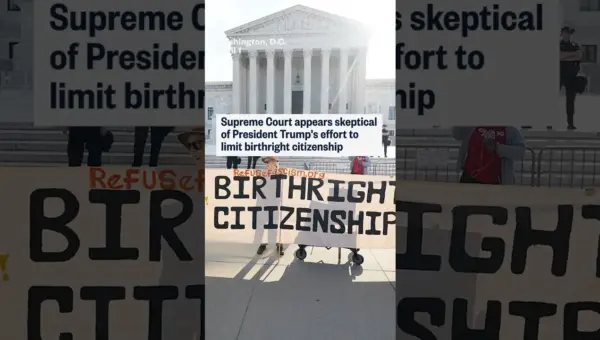
Justices Skeptical of Trump Bid to End Birthright Citizenship
The Supreme Court heard arguments on President Trump's bid to end birthright citizenship for children of undocumented immigrants. Justices expressed skepticism about the president's power to make such a change, questioning its broad impact on the 14th Amendment. The court's decision could redefine who is considered an American.
Supreme Court Weighs Birthright Citizenship in Key Case
The Supreme Court heard arguments on birthright citizenship, focusing on the 14th Amendment's Citizenship Clause. The government argued that citizenship requires not just birth in the U.S. but also a lawful domicile and allegiance to the country. Justices questioned the historical interpretation and the implications for modern immigration.