Sudan War: World Faces “Abandoned Crisis” Amid Famine, Atrocities
The UN calls Sudan an "abandoned crisis" as war fuels famine and mass atrocities, impacting millions. International leaders pledged aid but face criticism for inaction amid widespread displacement, sexual violence, and ethnic targeting bearing "hallmarks of genocide."

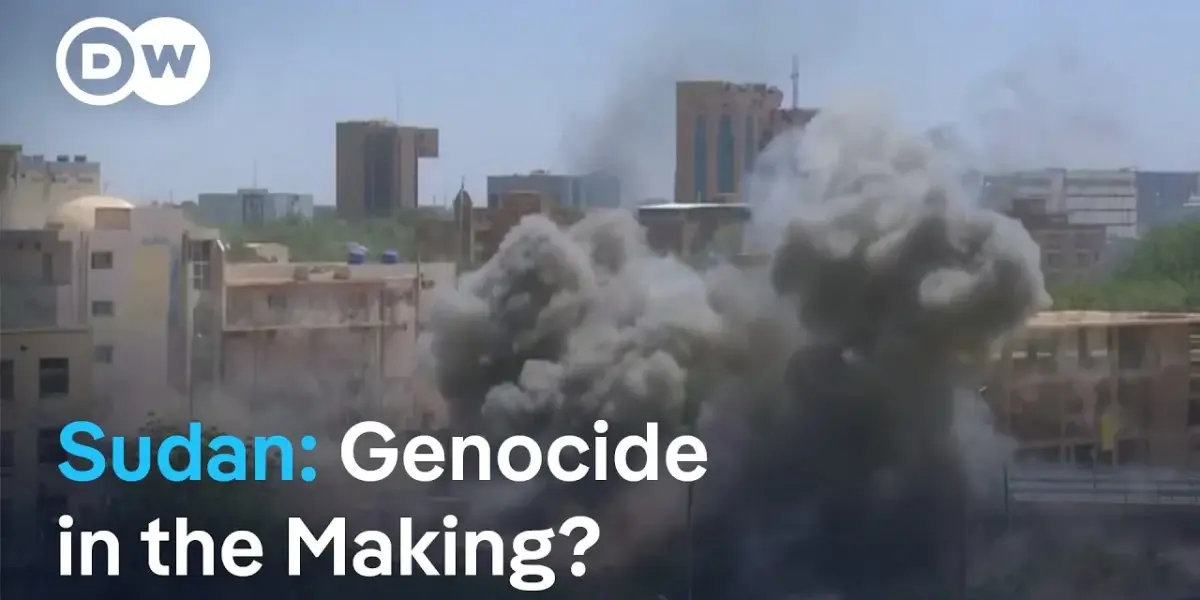
Sudan Faces “Abandoned Crisis” as War Worsens Humanitarian Disaster
The United Nations is calling the ongoing conflict in Sudan an “abandoned crisis.” As the war enters its fourth year, a severe humanitarian disaster is accelerating, with the UN stating the world has failed a critical test. International leaders met in Berlin this week, facing criticism for a lack of action. Donor countries pledged nearly 1.5 billion euros in aid, but the scale of the suffering in Sudan demands far greater attention and immediate intervention.
Devastating Human Cost: Famine, Displacement, and Sexual Violence
The war has unleashed appalling atrocities, including rape used as a weapon of war on an “industrial scale.” Nearly 20 million people are at risk of famine, and 12 million have been displaced from their homes. Survivors recount harrowing experiences, unable to return to their communities due to the continuing conflict. These numbers represent immense human suffering, with entire communities emptied and millions facing starvation.
Roots of the Conflict: A Failed Transition to Democracy
The path to the current catastrophe began after years of military dictatorship under Omar al-Bashir. In 2019, a popular uprising seemed to usher in a democratic future for Sudan. However, the armed forces, specifically the Sudanese army and the Rapid Support Forces (RSF), had other plans.
They seized power together in 2021, deposing civilian leaders. This unstable alliance eventually fractured, triggering the widespread conflict.
Life in Ruins: Ongoing Attacks and Scarcity
Fighting broke out in the capital, Khartoum, three years ago, forcing nearly 4 million people to flee. While the Sudanese army gained control of the capital last year, much of the city remains in ruins. Basic services and infrastructure are scarce, and life is a daily struggle for survival.
Drone attacks, often hitting civilian areas, hospitals, and displacement camps, are frequent. Journalist Naba Muhidedin described the situation: “There is no safe region in Sudan right now.” Since January, nearly 700 people have been killed in drone strikes alone, with the actual number believed to be higher.
Systemic Sexual Violence and Ethnic Targeting
Sexual violence, primarily targeting women and girls, is systemic and widespread, deliberately used as a weapon of war. Many survivors do not report these crimes due to stigma, but some are speaking out. The UN fact-finding mission has warned that ethnic targeting by RSF militias in regions like Darfur bears the “hallmarks of genocide.” Professor Joy Goi Zello of the independent international fact-finding mission stated, “We find the indicators and things that shows clearly that what is happening is within the spectrum of genocide.”
“Hallmarks of Genocide” and Accountability Concerns
The UN’s findings point to deliberate acts against civilians, including mass killings, widespread rape, and deliberate starvation, particularly targeting protected populations like the Zaghawa and Fur. The RSF is identified as the chief perpetrator of many war crimes and crimes against humanity.
While investigations are ongoing, the question of accountability remains critical. Professor Zello emphasized the need for international accountability mechanisms, stating, “If there is no accountability, there won’t be durable peace.”
An “Abandoned Crisis” Requiring Urgent Action
The international community’s response has been criticized as insufficient. Many are unaware of the severity of the crisis in Sudan, which has been diverted by other global events. Experts call for an immediate ceasefire and a proposal to address the cycle of violence that has plagued Sudan for decades.
This includes ensuring accountability for perpetrators and restoring the dignity of victims. Without urgent action, the atrocities in Sudan risk worsening, further devastating an already shattered population.
What’s Next: The Push for Accountability and Peace
The focus now shifts to whether the international community will heed the warnings and provide the necessary support for Sudan. The expansion of the International Criminal Court’s (ICC) jurisdiction to cover all of Sudan, not just Darfur, is a key advocacy point. The hope is that by identifying perpetrators and pursuing justice, a fragile peace can be built, preventing further suffering and offering a chance for Sudan’s people to rebuild their lives.
Source: Sudan’s Forgotten War: Famine, Displacement and Mass Atrocities | DW News (YouTube)

Related Articles


Trump’s Cuba Blockade Fuels Humanitarian Crisis
Reports indicate Donald Trump is escalating actions against Cuba, creating a severe humanitarian crisis through a three-month oil blockade. This "economic war" cripples essential services, harming vulnerable populations and pushing Cuba closer to Russia.


Israel Expands Lebanon Invasion, Causing Widespread Destruction
Israel has significantly expanded its ground invasion into southern Lebanon, causing widespread destruction and a severe humanitarian crisis. Over a million people have fled their homes, and civilian casualties continue to rise. The conflict highlights the complex geopolitical situation involving Hezbollah and the struggling Lebanese government.


Iranians Flee War, Seek Refuge at Turkey Border
Thousands of Iranians are fleeing intense conflict and seeking refuge at the Turkish border, describing daily fear and uncertainty. With Iranian airspace closed, this land crossing is a vital escape route for those desperate for safety and an end to the violence. Many express a longing for freedom and hope for their country's eventual victory.