Senator Warren Presses Fed Nominee on Finances, Epstein Ties
Senator Elizabeth Warren questioned Federal Reserve nominee Kevin Warsh about his undisclosed $100 million in investments and potential ties to Jeffrey Epstein. Warren also pressed Warsh on his independence from President Trump, asking if he would stand up to the President's economic agenda and acknowledge the 2020 election results.

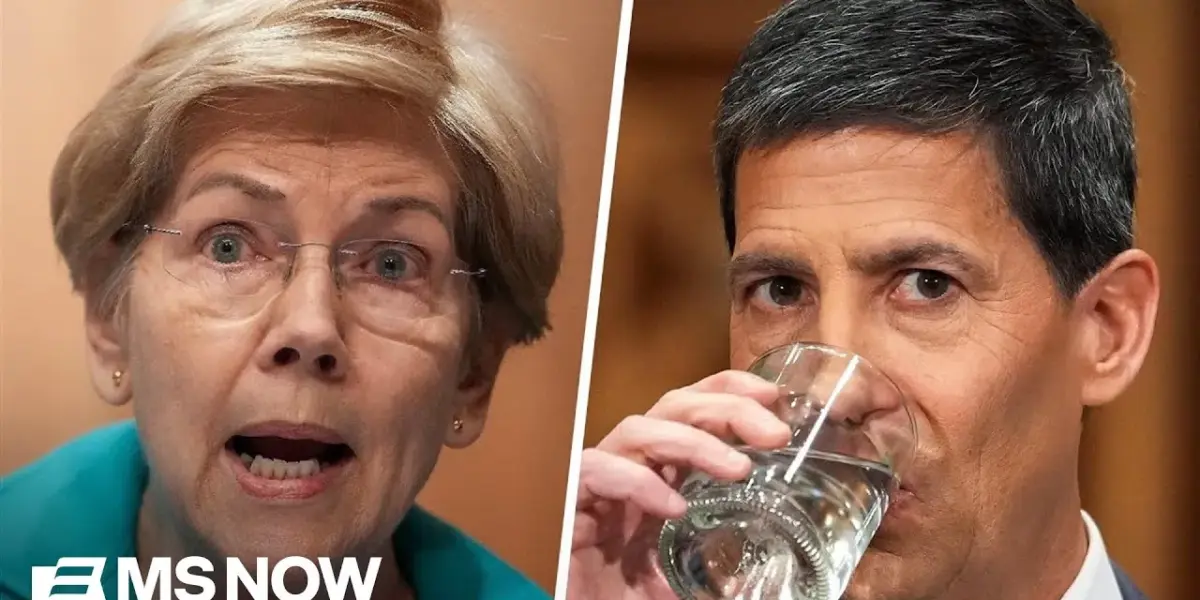
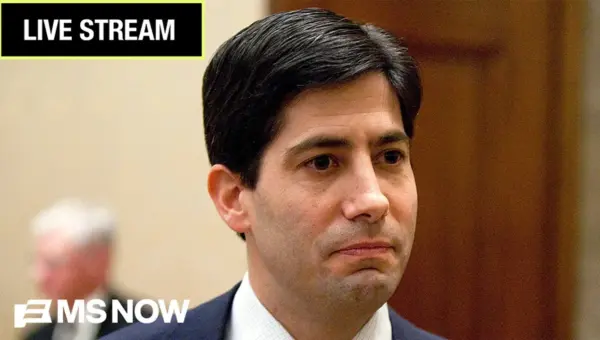
Senator Elizabeth Warren directly questioned Federal Reserve nominee Kevin Warsh on Tuesday regarding his personal finances and potential connections to Jeffrey Epstein. The hearing, held before a Senate committee, focused on Warsh’s suitability to lead the central bank, with ethics and independence as key concerns.
Scrutiny Over Undisclosed Assets
Warren highlighted that Warsh has refused to disclose over $100 million in investments to ethics officials and the public. She pressed Warsh for details about these holdings, specifically asking if they were linked to companies associated with President Trump or his family, or financing vehicles established by Jeffrey Epstein.
“Do the juggernaut fund or the T.H.S.D.F.S.L.L.L.C. In any companies affiliated with President Trump or his family, companies that have facilitated money laundering, Chinese-controlled companies or financing vehicles established by Jeffrey Epstein?” Warren asked Warsh directly.
Warsh acknowledged the importance of the Fed’s credibility, which he agreed has been damaged by recent ethics scandals involving other Fed officials. However, he repeatedly deflected direct answers about the specific nature of his undisclosed assets, stating only that he had worked with ethics officials and agreed to sell all his assets if confirmed.
“Senator, what I’m telling you is that those assets that you represent at Juggernaut will be sold if I’m confirmed before I take office and sign the oath of office,” Warsh stated.
Warren expressed concern over the lack of transparency, suggesting the public might question Warsh’s motives. She pointed to billionaire Stanley Druckenmiller, whom Warsh had honored, and noted that Druckenmiller’s business involves predicting Federal Reserve actions. Warren implied a potential conflict if Druckenmiller were to provide Warsh with a significant sum of money.
Questions on Independence and Trump Ties
The hearing also delved into Warsh’s independence from President Trump. Senator Warren cited Trump’s past statements indicating he would only appoint Fed chairs who agreed with him. She suggested Trump viewed Warsh as a “sock puppet,” ready to lower interest rates at Trump’s command rather than based on economic conditions.
To test Warsh’s independence, Warren asked him a direct question: “Mr. Warsh, did Donald Trump lose the 2020 election?” Warsh avoided a direct answer, stating he preferred to keep politics out of the Federal Reserve’s domain and that the body had certified the election.
Warren pressed further, asking Warsh to name one aspect of President Trump’s economic agenda with which he disagreed. Warsh initially stated he was not prepared to answer that question. He later mentioned a disagreement with the President regarding comments about him being “out of central casting,” but did not address any policy disagreements.
The exchange highlighted concerns that a nominee’s independence could be compromised if they are unwilling to publicly state disagreements with the President, especially on matters of economic policy or fundamental facts like election results.
Broader Implications for the Fed
The focus on Warsh’s finances and his relationship with President Trump reflects broader anxieties about ethics and political influence within the Federal Reserve. Recent ethics scandals have already raised questions about the institution’s integrity.
Senator Warren’s line of questioning emphasizes the importance of public trust in the Federal Reserve. An independent and ethically sound Fed is crucial for maintaining stable economic conditions and investor confidence. Any perception of political interference or financial impropriety could undermine its effectiveness.
The nominee’s responses, or lack thereof, will be closely watched by lawmakers and the public as the confirmation process continues. The hearing is a critical step in evaluating whether Warsh possesses the necessary independence and ethical grounding to serve as a Federal Reserve governor.
What’s Next
The Senate committee will likely continue to scrutinize Kevin Warsh’s financial disclosures and his willingness to assert independence from political pressure. Further hearings or written questions may be required before a committee vote on his nomination. Lawmakers will be looking for clearer answers on his financial entanglements and his commitment to the Federal Reserve’s independent mandate.
Source: Warren questions Warsh on his finances and potential Epstein connections (YouTube)

Related Articles
Warsh Pledges Fed Independence in Chair Nomination Hearing
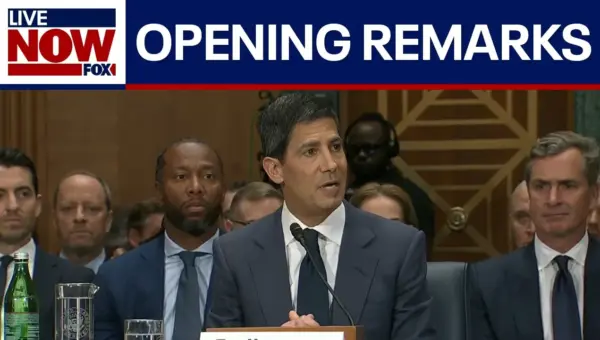
Kevin Warsh, nominated for Federal Reserve Chair, pledged to uphold the central bank's independence during his Senate Banking Committee hearing. He emphasized rigorous, non-political decision-making in monetary policy. Warsh also shared personal influences and lessons learned from his career, aiming to foster an environment of candor and effective work at the Fed.
Warsh Faces Senate Grilling for Fed Nomination
Former Federal Reserve governor Kevin Warsh testified before the Senate Banking Committee for his nomination to lead the central bank. He outlined his economic views, focusing on price stability and predictable policy. Senators questioned him on inflation and his past statements.
Warsh Fed Chair Nomination: Economy vs. Politics
Kevin Warsh's nomination to chair the Federal Reserve sparked debate over economic policy and the central bank's independence. Supporters cited his crisis experience, while critics raised concerns about past decisions and potential political influence. The hearing highlighted the Fed's dual mandate and the public's demand for economic stability and affordability.