Senate Passes DHS Budget, Critics Slam Healthcare & Childcare Votes
The Senate has passed a budget for the Department of Homeland Security, including funds for ICE and CBP. Senate Majority Leader Chuck Schumer criticized Republicans for voting against amendments aimed at lowering healthcare and childcare costs. Critics argue this shows a disconnect from citizens' needs.

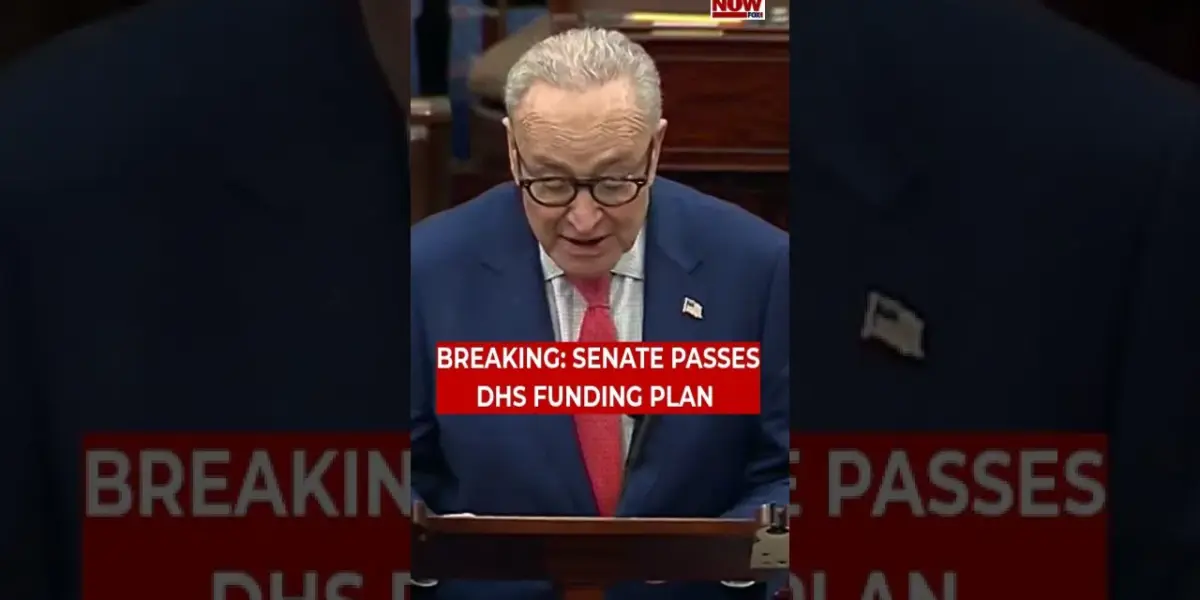
Senate Approves Department of Homeland Security Funding
The U.S. Senate has passed a budget plan for the Department of Homeland Security (DHS), including funding for Immigration and Customs Enforcement (ICE) and Customs and Border Protection (CBP). The vote occurred after a lengthy session where Democrats attempted to attach several amendments aimed at addressing domestic concerns. Senate Majority Leader Chuck Schumer voiced strong criticism following the vote, highlighting what he described as Republican opposition to key public welfare initiatives.
Democrats Highlight Failed Amendments
Throughout the night, Democrats offered a series of amendments, which they claimed were designed to help everyday Americans. Senator Schumer stated that his party provided Republicans numerous opportunities to support measures that would lower healthcare costs for individuals.
He also mentioned attempts to pass amendments focused on reducing childcare expenses and preventing delays by insurance companies. These efforts, however, were reportedly rejected by the Republican party.
“We gave Republicans a chance to vote for an amendment to lower out-of-pocket health care costs. They said no.
We gave Republicans a chance to lower child care costs. They said no.” – Sen. Chuck Schumer
Focus on Economic Relief Blocked, Critics Argue
Supporters of the amendments argued that the Republican ‘no’ votes demonstrated a disconnect from the needs of ordinary citizens. Senator Schumer questioned the priorities of the opposing party, asking what kind of environment they were operating in.
He suggested that the funds allocated in the DHS budget could have been redirected to address pressing economic issues affecting families across the nation. This stance implies a belief that domestic economic relief should have taken precedence over certain aspects of homeland security funding.
DHS Funding Amidst Reform Calls
The passage of the DHS budget comes at a time when the agency itself faces calls for reform. Critics have pointed to inefficiencies and areas needing improvement within agencies like ICE and CBP.
The debate over the budget highlighted a tension between allocating resources to these agencies and investing in social programs. Senator Schumer’s remarks suggested that the money could have been better used to support people’s needs rather than being directed to an agency that, in his view, requires significant changes.
Broader Implications for Domestic Policy
The outcome of these votes raises questions about the legislative priorities of both parties. While the DHS budget secures essential funding for national security and border operations, the failure of amendments related to healthcare, childcare, and consumer protection leaves a significant portion of the electorate feeling unaddressed.
These issues are often central to voters’ concerns, and their exclusion from this legislative package could influence future political discourse and electoral strategies. The ability of the Senate to find common ground on domestic economic relief remains a key challenge.
Looking Ahead: Future Legislative Battles
With the DHS budget now passed, attention will likely shift to other legislative priorities. The effectiveness of future attempts to pass similar amendments will depend on shifting political dynamics and the willingness of both parties to negotiate. The ongoing debate over resource allocation between national security and domestic social programs is expected to continue shaping legislative agendas in the coming months.
Source: Senate passes DHS budget plan for ICE & CBP, Schumer sounds off (YouTube)

Related Articles

Senate Passes DHS Budget, ICE & CBP Funding Amidst Standoff
The U.S. Senate has passed a budget plan to fund ICE and CBP, sending it to the House. Democrats opposed the plan, citing unmet demands for policy changes and criticizing the allocation of funds amid high living costs. Republicans are using budget reconciliation to advance the funding, aiming to secure border operations.


Abbott Threatens Houston with $100M Cut Over ICE Policy
Texas Governor Greg Abbott has threatened to withhold over $100 million in law enforcement funds from Houston unless the city's police department fully complies with a contract requiring cooperation with ICE. Abbott called the city's initial policy "outrageous" and emphasized the need for public safety. The situation serves as a warning to other Texas cities regarding immigration policy compliance.


GOP Pushes $70B Border Funding, Sidelines Democrats
Senate Republicans are pushing forward with a $70 billion budget plan for ICE and Border Patrol, using a special process to bypass Democrats. This move highlights deep divisions over immigration policy and funding. The bill's passage could reshape how these agencies are funded and operate.