Trump, Putin Share Ukraine Worldview, Kuleba Claims
Ukrainian Foreign Minister Dmytro Kuleba claims former U.S. President Donald Trump and Russian President Vladimir Putin share a similar worldview. Both, he suggests, believe smaller nations should submit to the demands of greater powers. This perspective could significantly alter U.S. policy toward the Ukraine conflict.

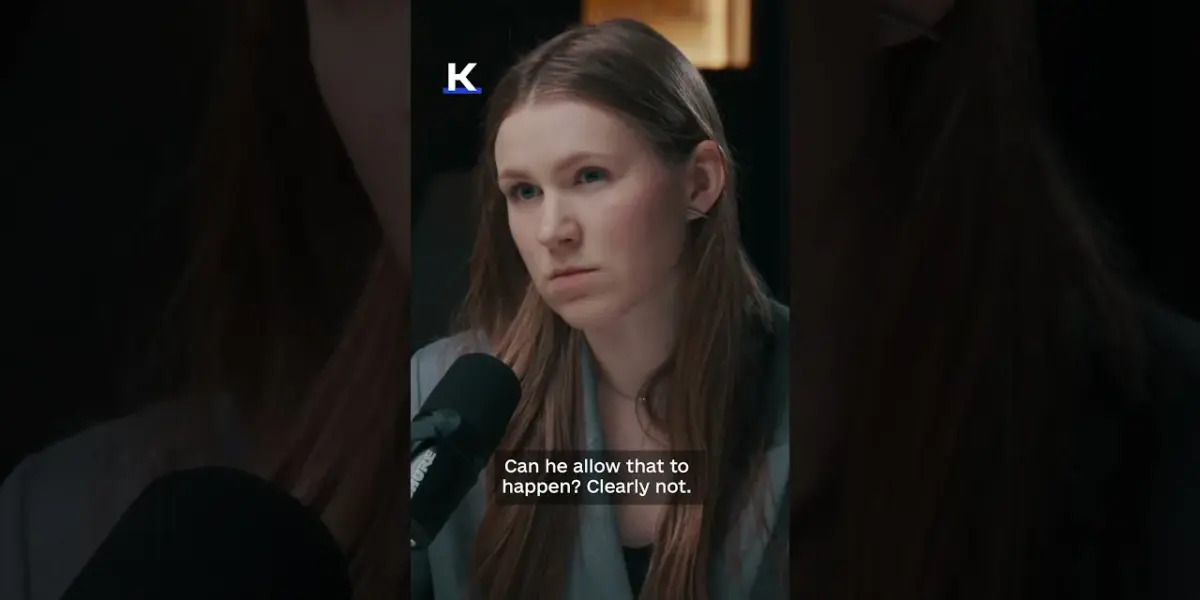
Kuleba: Trump, Putin Share Similar Views on Ukraine
Ukrainian Foreign Minister Dmytro Kuleba has stated that former U.S. President Donald Trump and Russian President Vladimir Putin share a strikingly similar perspective on international relations and the conflict in Ukraine.
Kuleba explained that Trump views the world through the lens of great powers dictating terms to smaller nations. In this framework, smaller countries are expected to yield to the demands of stronger ones. He drew a direct parallel, suggesting that Trump sees Ukraine resisting Russian demands in a similar way to Venezuela defying American requests.
This perspective, according to Kuleba, means Trump would likely not tolerate a smaller nation openly opposing a larger power’s will. He believes Trump understands Putin’s mindset because they both see the world from the same viewpoint. This shared understanding shapes their approach to international conflicts and power dynamics.
Kuleba also pointed to recent comments from U.S. Vice President Vance, who reportedly questioned the rationale behind the Ukraine-Russia conflict over territorial gains. This sentiment, Kuleba suggests, reflects a broader view within certain American political circles that prioritizes reaching any agreement over maintaining a principled stance.
The Ukrainian minister characterized this approach as a preference for a “bad deal over no deal.” This suggests a pragmatic, perhaps transactional, foreign policy outlook that seeks resolution, even if unfavorable, rather than prolonged stalemate. This view appears to stem from a belief that the ongoing war in Ukraine is strategically illogical from their own national interest perspective, rather than from Ukraine’s position.
Strategic Implications
Kuleba’s assessment suggests a potential shift in how a future Trump administration might approach the Ukraine conflict. If Trump indeed views the world as one where great powers set the rules, it could lead to increased pressure on Ukraine to make concessions to Russia. This challenges the current U.S. policy of supporting Ukraine’s territorial integrity and sovereignty.
The comparison to Venezuela highlights a transactional view of foreign policy. In this view, alliances and international norms are secondary to the immediate interests and power plays of major nations. Ukraine’s resistance, therefore, might be seen not as a fight for self-determination, but as an inconvenient disruption to great power politics.
The comments from Vice President Vance, as cited by Kuleba, reinforce the idea that some American policymakers may be weary of the protracted conflict. Their focus might be on finding an exit strategy that restores stability, even if it involves compromises that disadvantage Ukraine. This contrasts sharply with the approach of providing sustained military and financial aid to enable Ukraine to repel the invasion.
This perspective suggests that the U.S. might prioritize its own stability and relationship with Russia over the specific outcome of the war in Ukraine. Such a shift could embolden Russia, potentially altering the military balance on the ground. It also raises concerns for other smaller nations that rely on U.S. security guarantees.
Historically, great power politics often involve spheres of influence where larger nations exert control over their neighbors. Trump’s perceived worldview aligns with this historical pattern, where the interests of dominant states supersede the autonomy of smaller ones. This can lead to outcomes where territorial disputes are settled through negotiations between major powers, with little regard for the affected smaller nation’s desires.
The Ukrainian government’s concern is that such a policy would legitimize Russian aggression and undermine the principle of national sovereignty. It would mean that territorial gains achieved through military force could be recognized or accepted by major global players. This could set a dangerous precedent for international stability and conflict resolution.
Kuleba’s statements serve as a stark warning about the potential consequences of a U.S. foreign policy that mirrors Russian strategic thinking. The implications for Ukraine are direct: a possible reduction in Western support and increased pressure to cede territory. The broader geopolitical impact could be a return to a more transactional and less rules-based international order.
What This Means on the Ground
If Trump’s perspective holds sway, Ukraine could face significant pressure to negotiate a settlement with Russia. This might involve accepting the loss of occupied territories in exchange for peace. The flow of Western military aid, crucial for Ukraine’s defense, could also be jeopardized or significantly reduced.
For Russia, such a policy shift would be a major strategic victory. It would validate its use of military force to achieve political objectives and potentially allow it to retain control over occupied Ukrainian lands. This could embolden Moscow to pursue further geopolitical ambitions in the region.
The Ukrainian military, currently engaged in defensive operations, would need to adapt to a potential reduction in external support. This might necessitate a more resource-constrained defense strategy or a shift in operational objectives. The morale of Ukrainian forces and the civilian population could also be significantly impacted by perceived waning international commitment.
The coming months will likely reveal the extent to which this perceived shared worldview influences American foreign policy decisions regarding Ukraine. Any significant change in U.S. support would have immediate and profound consequences on the battlefield.
Source: Kuleba: Trump, Putin share similar view on Ukraine (YouTube)

Related Articles

Trump’s Iran Gamble: A Desperate Plea for a Different Path
Former President Trump's attempts to engage Iran are described as a desperate plea, with Iran strategically waiting for political shifts. This standoff has significant implications for global security and U.S. foreign policy. The upcoming elections will be a key moment to watch.

Europe’s U-Turn: Leaders Ditch Trump, Signaling US Isolation
European leaders, including Italy's Prime Minister Giorgia Meloni, are increasingly distancing themselves from Donald Trump. This shift, fueled by Trump's controversial remarks and geopolitical disagreements, signals growing isolation for the United States on the global stage.
Putin Seeks Oligarch Funds for War Effort
Russian President Vladimir Putin has reportedly asked the nation's wealthiest business figures, known as oligarchs, to make voluntary contributions to the state budget. This marks the first time the Kremlin has directly solicited funds from these individuals to finance military operations amid rising war expenses.