Public Outcry Mounts: Calls for Trump Impeachment Surge
New polling reveals a surge in calls for Donald Trump's impeachment, with a majority of Americans supporting the move. His approval ratings have hit historic lows, particularly on key issues like inflation and the economy. Critics cite his past statements on impeachment and question his administration's competence and foreign policy decisions.

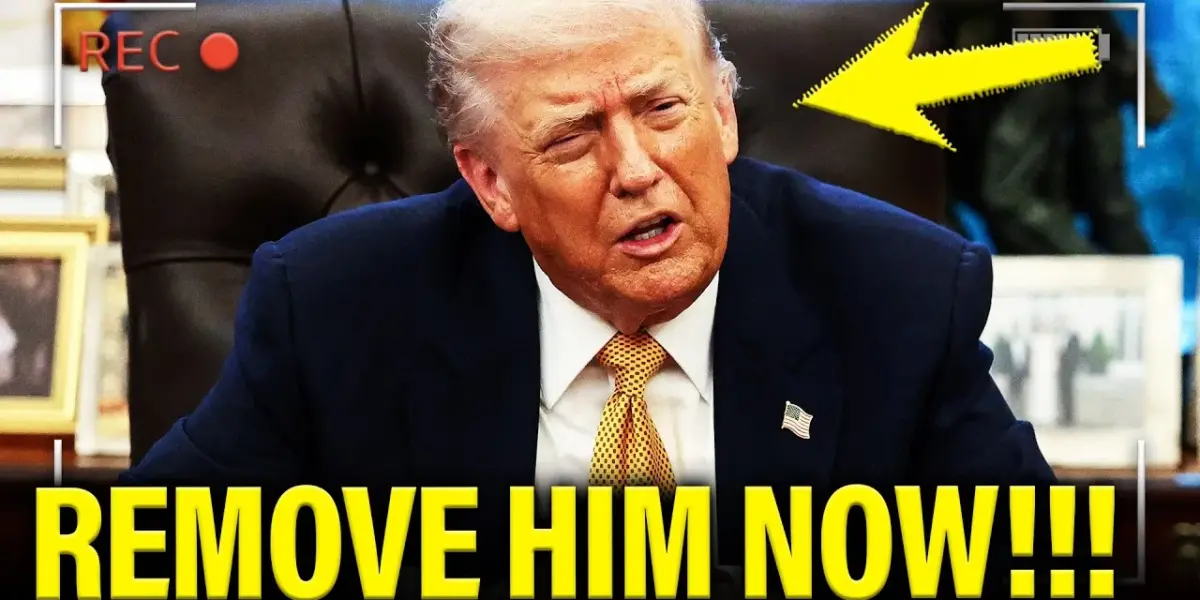
Public Outcry Mounts: Calls for Trump Impeachment Surge
New polling data suggests a significant portion of the American public is calling for Donald Trump’s impeachment. Reports indicate that only 37% of Americans believe he should not face impeachment proceedings.
A strong majority, around 55%, strongly feel he needs to be impeached. This sentiment is expected to translate into action, with a 66% chance of impeachment once Democrats gain control of the House of Representatives.
Donald Trump’s approval ratings are reportedly at historic lows. An AP Norc poll shows his approval at just 33%, a nine-point drop since February.
This decline is particularly concerning as it occurred before the official start of the Iran War. His approval among independents is even lower than when Richard Nixon resigned, signaling deep dissatisfaction.
Further evidence of public discontent comes from a Fox Poll. On the issue of inflation, Trump’s approval is a net negative 44%. Government spending sees a net negative 34%, and the economy receives a net negative 32%.
Even on foreign policy, his approval is a net negative 20%. His strongest issue, immigration, also shows a net negative 8% approval, painting a picture of widespread disapproval across key areas.
Historical Echoes and Shifting Loyalties
Critics are drawing parallels between current events and Donald Trump’s past statements. In 2008, he advocated for President George W. Bush’s impeachment, citing lies about the war in Iraq.
Trump’s own words from that time suggest a belief that leaders who mislead the public into war should face impeachment. This historical stance is now being used by those calling for his own impeachment over the Iran War.
Adding to the growing concerns, a Fox poll revealed that 56% of voters believe Donald Trump’s administration lacks the competence to govern effectively. This suggests a widespread belief that the government is not functioning properly under his leadership. The numbers are even more striking when looking at his core supporters.
Perhaps most one in five of Donald Trump’s own MAGA supporters reportedly want to see him impeached. This internal dissent suggests a potential fracturing within his base. This number is expected to grow as Trump continues to criticize his most loyal followers, particularly those who disagree with his stance on the Iran War.
Internal Criticism and Administrative Concerns
Commentators have highlighted public figures questioning Trump’s character and leadership. Megan Kelly, on her podcast, described aspects of his personality as “not good,” “extremely petty and thin skinned.” She noted his tendency to turn on supporters who express principled disagreements, especially regarding the Iran War. This criticism points to a perceived lack of loyalty and an “us vs. them” mentality.
Concerns have also been raised about the competence of individuals appointed to key positions within the Trump administration. Reports mention a 22-year-old former intern with no national security experience heading counterterrorism within the Department of Homeland Security. Another official in counterterrorism was reportedly placed on leave after allegations of using “sugar daddy” websites to solicit large sums of money.
Further administrative issues include the firing of the Labor Secretary amid accusations of inappropriate behavior by her husband. The Navy Secretary was also fired during a naval blockade in the Persian Gulf. These events raise questions about the stability and decision-making processes within the administration.
Foreign Policy and Iran’s Role
The transcript points to significant concerns regarding the handling of foreign policy, particularly concerning Iran. Reports suggest the Trump administration may be misrepresenting Iran’s military capabilities. Videos released by Iran appear to show control over the Strait of Hormuz, a critical shipping lane, which contradicts public statements made by the administration.
Intelligence assessments reportedly indicate that Iran possesses more advanced military capabilities, including ballistic missiles and drones, than publicly acknowledged. This discrepancy between public statements and intelligence assessments fuels concerns about the administration’s understanding of the situation. Top generals are reportedly leaking information about Trump’s erratic behavior, which they claim hinders negotiations and makes competent discussions impossible.
The administration’s approach to negotiations with Iran is described as inconsistent and unpredictable. Conflicting statements about agreements and deadlines, followed by unilateral extensions or threats of military action, create confusion. This erratic behavior, according to critics, signals weakness to adversaries like Iran, who may perceive a lack of genuine resolve for direct conflict.
Fabricated Narratives and Political Maneuvering
Allegations of fabricated stories and self-serving narratives are also prominent. One instance involves a claim of securing the release of eight female protesters from Iran who were allegedly facing execution. However, reports suggest Iran denied any negotiation with the Trump administration for these releases, casting doubt on the administration’s account.
Critics also point to instances where Donald Trump has complained about political maneuvering, such as gerrymandering, after allegedly engaging in similar tactics himself. This perceived hypocrisy further erodes public trust and fuels accusations of unfair political practices.
The transcript highlights a pattern of making bold claims and then backing down, leading adversaries to view him as a “paper tiger.” This perception, it is argued, emboldens nations like Iran and undermines America’s standing on the global stage. The administration’s social media posts are seen as an attempt to project strength, but they are met with mockery from international entities.
Economic Woes and Sinking Approval
Economic issues, particularly inflation, are identified as the number one concern for Americans. Donald Trump’s net approval ratings on this issue are reported to be at all-time lows across multiple polls. This suggests a significant disconnect between the administration’s policies and public perception of economic management.
The shift in public opinion on inflation is dramatic. Voters who once trusted Trump more than Kamala Harris on this issue have seen a significant negative shift in his net approval. This decline is even more pronounced among independents, who have moved substantially away from supporting Trump on inflation-related matters.
The impact of tariffs is also discussed, with Trump’s handling of the issue showing a significant negative net approval rating, especially among independents. This contrasts sharply with the approval ratings of foreign leaders who stood up to Trump on trade policies, suggesting that a more collaborative approach might be more politically beneficial.
Why This Matters
The sheer volume of polling data and public commentary presented suggests a critical juncture for Donald Trump’s presidency. The widespread calls for impeachment, coupled with historically low approval ratings across a range of issues, indicate a significant erosion of public trust and confidence. This situation has profound implications for the upcoming elections and the broader political direction of the country.
The alleged inconsistencies in foreign policy and the perceived lack of administrative competence raise serious questions about national security and international relations. If adversaries believe they can “beat America,” as one professor suggests, it could lead to increased global instability. The impact on the world economy, as noted, could be severe.
The internal dissent within his own base, particularly among MAGA supporters, is a critical development. It suggests that Trump’s ability to maintain unwavering loyalty may be diminishing. This could lead to a more fractured political landscape and open opportunities for alternative candidates or movements.
Implications, Trends, and Future Outlook
The trend of declining approval and increasing calls for impeachment suggests a challenging road ahead for Donald Trump. The upcoming election cycle will likely be heavily influenced by these public sentiments. The data points to a potential shift in voter priorities, with economic stability and competent governance taking center stage.
A key trend highlighted is the public’s increasing skepticism towards fabricated narratives and a demand for greater transparency. The administration’s handling of foreign policy, particularly concerning Iran, will continue to be scrutinized. The effectiveness of its diplomatic and military strategies will be under a microscope.
The future outlook suggests a highly contested political environment. The deep divisions within the electorate, coupled with the growing dissatisfaction among some of Trump’s core supporters, could lead to unpredictable electoral outcomes. The focus on issues like inflation and economic stability is likely to intensify as the election approaches.
Historical Context and Background
The discussion of impeachment calls echoes historical precedents, such as the impeachment proceedings against Richard Nixon and Bill Clinton. Each instance involved accusations of misconduct and abuse of power, leading to intense public debate and political division. The current situation draws parallels to these past events, particularly in the use of public opinion and polling data to gauge the political climate.
The analysis of foreign policy decisions, especially concerning Iran, is situated within a long history of complex geopolitical relations in the Middle East. Past administrations have grappled with similar challenges, including regional conflicts, economic sanctions, and diplomatic negotiations. The current administration’s approach is being viewed through the lens of these historical experiences.
The economic concerns, particularly inflation, have historically played a significant role in shaping public opinion and electoral outcomes. Voters often hold presidents accountable for economic performance, and significant downturns or persistent inflation can lead to shifts in political power. The current economic climate is therefore a crucial factor in understanding public sentiment.
The upcoming months will be critical. As the political landscape continues to evolve, public opinion on impeachment and approval ratings will likely remain central to the narrative. The next major poll or significant foreign policy development could further shape the trajectory of these events.
Source: Trump CRASHES OUT as US Prepares IMPEACHMENT!!! (YouTube)

Related Articles


Trump, Putin Share Ukraine Worldview, Kuleba Claims
Ukrainian Foreign Minister Dmytro Kuleba claims former U.S. President Donald Trump and Russian President Vladimir Putin share a similar worldview. Both, he suggests, believe smaller nations should submit to the demands of greater powers. This perspective could significantly alter U.S. policy toward the Ukraine conflict.

Trump’s Iran Gamble: A Desperate Plea for a Different Path
Former President Trump's attempts to engage Iran are described as a desperate plea, with Iran strategically waiting for political shifts. This standoff has significant implications for global security and U.S. foreign policy. The upcoming elections will be a key moment to watch.
Democrats’ ‘Violent’ Anti-Israel Stance Dominates Policy, Polls Show
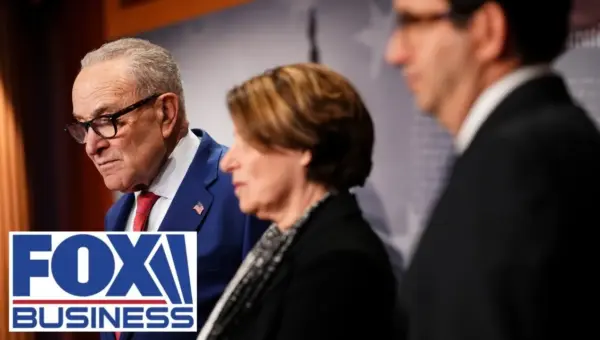
A growing number of Democrats are adopting a "violently anti-Israel" stance, which is seen as a key driver of party policy, according to analyst Liz Peek. Meanwhile, polls show widespread public support for voter ID reform, though it faces political hurdles in Congress. The Democratic party's platform appears largely focused on opposing Donald Trump, with approval ratings reflecting dissatisfaction.