Tucker Carlson Regrets Trump Support Amid Shifting MAGA Alliances
Tucker Carlson has publicly regretted his past support for Donald Trump, signaling potential shifts within the MAGA movement. Meanwhile, the Navy Secretary's recent departure from the Pentagon raises questions about leadership stability amid ongoing international tensions.

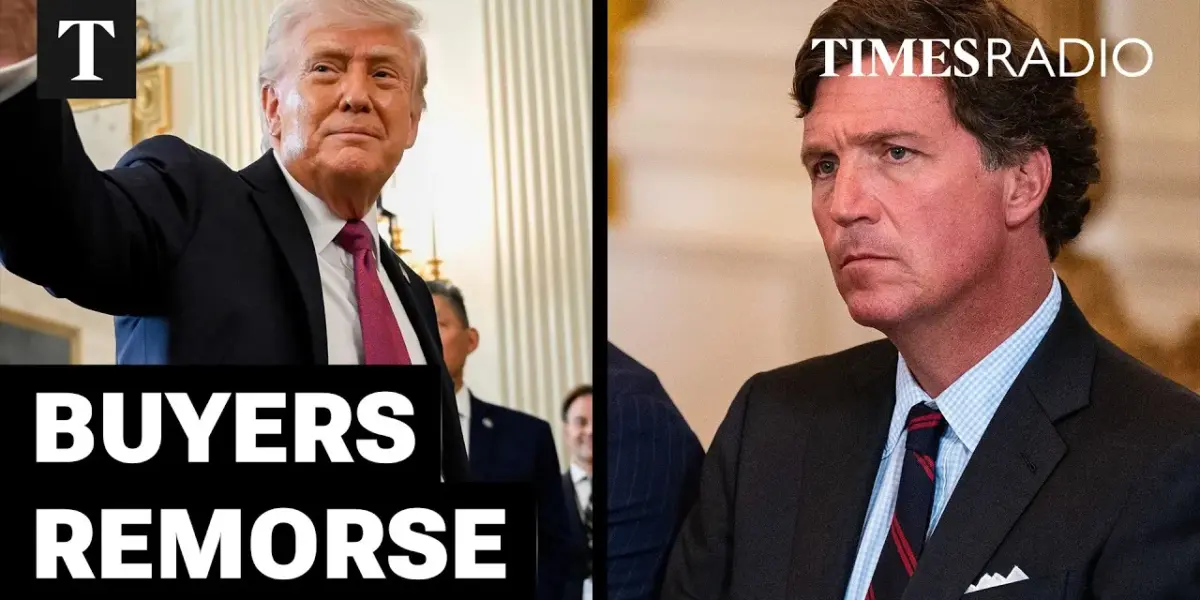
Key Figures Express Doubts as Trump Faces Shifting Alliances
In a notable shift, prominent media figure Tucker Carlson has publicly stated he regrets his past support for former President Donald Trump. This marks a significant break for Carlson, who previously hosted the highest-rated show on Fox News and actively campaigned with Trump. His public admission suggests a growing unease within circles that have historically backed Trump, potentially signaling a change in the political landscape.
This development comes amid other signs of discontent. Several other public figures have recently distanced themselves from Trump, indicating a potential fracturing of alliances.
These breaks are particularly telling given Carlson’s past closeness to the former president, including having his phone number. This move by Carlson could be an early indicator of how some voters who supported Trump might begin to feel about certain administration policies, especially concerning ongoing international conflicts.
Navy Secretary’s Departure Raises Questions at the Pentagon
The recent departure of Navy Secretary John Felin from the Department of Defense also highlights internal challenges. While the exact reasons for Felin’s exit are not yet fully public, it appears he was dismissed. This is not the first leadership issue within the Department of Defense under Secretary Pete Hegseth, with previous problems reported at the Army and within the Joint Chiefs of Staff office.
These leadership struggles are particularly concerning given the current international climate. The Navy plays a key role in U.S. military operations, especially concerning vital waterways like the Strait of Hormuz. Felin’s position was critical at a time when U.S. focus is heavily on that region, making his abrupt departure a significant event.
The search for Felin’s replacement is ongoing, with a new, congressionally confirmed leader needed to head the Navy branch. This process will likely involve bringing in new staff and establishing a clear direction for the department moving forward. The situation underscores ongoing tensions between Secretary Hegseth and senior military leaders, issues that have persisted for some time.
Trump’s Stance on Iran Conflict Shows Duality
President Trump’s approach to the ongoing conflict with Iran appears to be marked by a distinct duality. He has publicly committed to ambitious goals, such as permanently ending Iran’s nuclear capabilities and securing international waters. These objectives represent a significant undertaking, requiring substantial diplomatic and military effort.
However, reports suggest the president is also eager for a swift resolution and may be growing weary of the conflict. There are indications that Trump desires positive news, such as a ceasefire, and sometimes seeks to avoid discussing the difficult aspects of the war. This desire to move past the challenging period is sometimes evident when he redirects conversations to lighter topics during public appearances.
This complex approach to the Iran conflict comes as midterm elections loom. Concerns about how these elections might unfold could be influencing the administration’s strategy and messaging. Figures like Tucker Carlson might be adding to these concerns by voicing their own doubts about Trump’s policies.
Defining Victory: The Challenge of Ending the Iran Conflict
For President Trump, a key objective in the Iran conflict is ensuring Iran cannot develop nuclear weapons. This includes the removal of all nuclear materials from the country, a demand that Iran has historically resisted. Achieving this goal presents a significant challenge for diplomats attempting to negotiate a resolution.
The path to a successful outcome remains unclear, leaving a high bar for negotiators. The upcoming diplomatic talks in Islamabad, Pakistan, will be crucial in determining the next steps. The administration’s ability to secure international cooperation and Iran’s agreement on these terms will be critical.
JD Vance Navigates Complex Position on International Engagements
Senator JD Vance finds himself in a particularly interesting position regarding the Iran conflict and broader international policy. Reports indicate that Vance was initially wary of the war and international entanglements in general. This cautious stance suggests a preference for focusing on domestic issues.
However, Vance also reportedly advised a strong and powerful approach if the U.S. were to engage in the conflict. This presents a seeming contradiction in his views, highlighting the complexities of foreign policy decision-making. Now, with Vance potentially tasked with managing the aftermath of the conflict, he faces the challenge of explaining his past positions to voters.
His role in potentially helping to resolve or manage the consequences of the war puts him in a difficult spot. He will need to articulate his stance clearly, especially if he seeks re-election. Explaining his position on a potentially unpopular war will be a key task for his political future.
What’s Next?
The coming weeks will be critical in observing how these shifting alliances and internal Pentagon dynamics affect President Trump’s foreign policy decisions. Attention will also be on the upcoming diplomatic talks regarding the Iran conflict and how figures like JD Vance navigate their public roles amidst these challenges.
Source: Tucker Carlson’s Trump Regret Highlights Souring Maga Relations Over Iran War (YouTube)

Related Articles
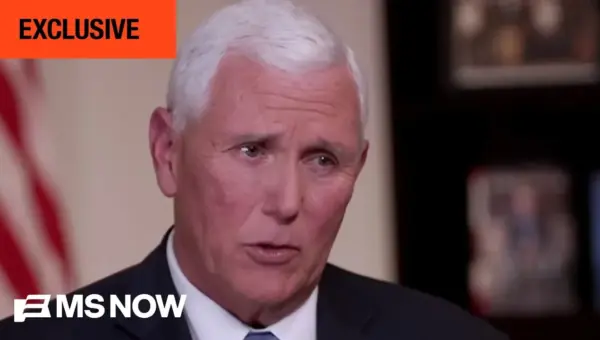
Pence: Vance Never Called; Criticizes Trump’s Tariffs
Former Vice President Mike Pence revealed he has never spoken with his successor, Senator J.D. Vance, in an exclusive interview. Pence also criticized former President Trump's use of tariffs, asserting that taxes and imposts must originate in Congress.


Trump, Putin Share Ukraine Worldview, Kuleba Claims
Ukrainian Foreign Minister Dmytro Kuleba claims former U.S. President Donald Trump and Russian President Vladimir Putin share a similar worldview. Both, he suggests, believe smaller nations should submit to the demands of greater powers. This perspective could significantly alter U.S. policy toward the Ukraine conflict.

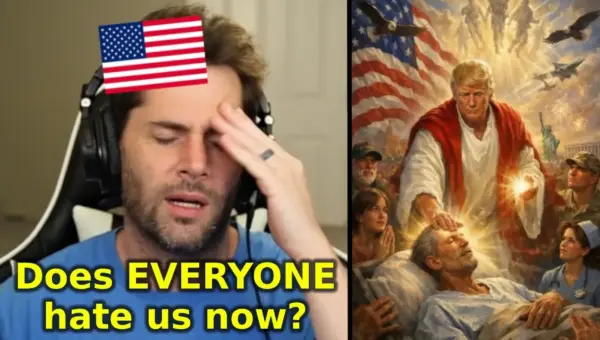
Europe’s U-Turn: Leaders Ditch Trump, Signaling US Isolation
European leaders, including Italy's Prime Minister Giorgia Meloni, are increasingly distancing themselves from Donald Trump. This shift, fueled by Trump's controversial remarks and geopolitical disagreements, signals growing isolation for the United States on the global stage.