US Navy Fires on Ship Near Hormuz, Peace Talks in Doubt
The U.S. Navy intercepted an Iranian cargo ship near the Strait of Hormuz, firing on the vessel and boarding it. This action by President Trump has cast doubt on upcoming peace talks, with Iran reportedly hesitant to attend. The incident escalates tensions amid an ongoing maritime blockade.

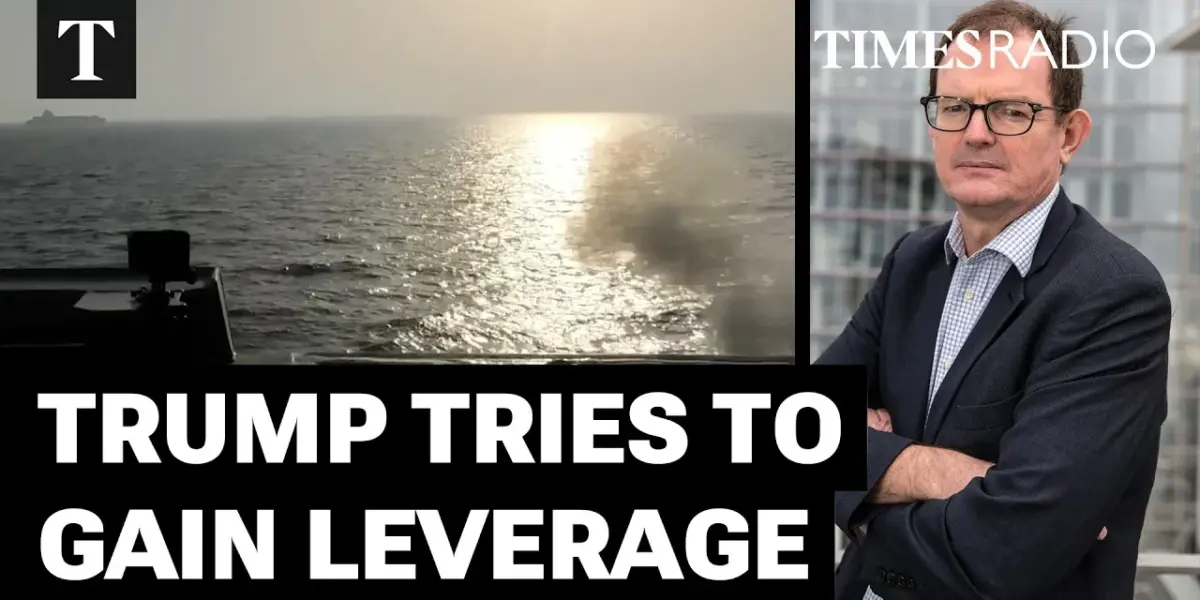
US Navy Intercepts Iranian Ship, Escalating Tensions
The U.S. Navy forcibly intercepted an Iranian-flagged cargo ship, the Tusca, near the Strait of Hormuz yesterday. President Trump announced the guided missile destroyer USS Spruance fired on the vessel after its crew allegedly ignored warnings and attempted to breach a maritime blockade. The ship was disabled by shots to its engine room, allowing U.S. Marines to board and take control.
The incident occurred as the U.S. Navy maintains a blockade of Iran’s ports. According to Times foreign correspondent Richard Spencer, speaking from Tel Aviv, a fundamental question surrounds the current situation: whether Iran’s declaration of ending its blockade of the Strait of Hormuz meant the U.S. would also lift its blockade of Iranian ports. President Trump indicated the U.S. blockade would continue, leading Iran to re-impose its own blockade of the Strait.
Blockade Continues Amid Peace Talk Uncertainty
The U.S. Navy has been intercepting ships traveling to or from Iranian ports. The Tusca is believed to have attempted to run this blockade, as stated by U.S. Central Command. While Trump stated the engine room was hit, Spencer suggests the attack likely targeted the ship’s propeller system to disable it.
This aggressive action by the U.S. Navy casts a shadow over upcoming peace talks. The possibility of a ceasefire following events in Lebanon and Iran’s announcement about lifting its Strait of Hormuz blockade had suggested talks were back on. Plans for discussions in Islamabad were being discussed, with the main question being who would attend from each side.
Trump’s Stance on Peace Talks Questioned
However, President Trump’s recent rhetoric on social media, insisting the blockade remained in place, followed by the interception of the cargo ship, contradicts the idea of committed peace negotiations. Spencer noted that this behavior is not indicative of someone seeking peace.
“This isn’t the actions of someone who appears committed to to peace talks and not surprisingly perhaps Iran has said well, it’s not sure it’s going to go.”
Spencer believes Trump aims to negotiate from a position of strength, possibly after making concessions to Iran to secure the ceasefire and potential peace deal. The President wants Iran to essentially surrender, a demand Iran may never meet. The success of this strategy hinges on whether Iran ultimately agrees to attend the peace talks despite these actions.
Israel’s Position in the Conflict
The situation also raises questions about Israel’s role. While Trump has stated he prohibited Israel from continuing its actions in Lebanon, Spencer suspects Israel feels it has achieved its objectives in both Iran and Lebanon for now. Launching full-scale ground operations, which would be a significant undertaking, does not appear to be Israel’s current intention.
The Israeli military has been engaged in a grinding process since October 23rd, facing challenges in Gaza and Lebanon, and taking hits from Iranian missiles. Spencer suggests that Israel does not see much more to gain militarily on either front, despite public opinion polls indicating a desire to continue efforts against Hezbollah.
Future of Peace Talks Uncertain
The interception of the Tusca and President Trump’s assertive stance have significantly complicated the path to peace. Iran’s willingness to participate in the upcoming talks now appears uncertain. The coming days will be crucial in determining whether diplomatic channels can be reopened despite this recent escalation.
Source: Trump Acts As A Leader 'Not Committed' To Peace Talks | Richard Spencer (YouTube)

Related Articles


Iran’s Spy Queen Ran Global Arms Ring from California
A California businesswoman has been arrested for allegedly running an international arms-trafficking ring for Iran. Prosecutors say she brokered deals for drones and millions of rounds of ammunition from the U.S. for years. This case highlights significant national security concerns and the evolving tactics of foreign intelligence operations.

Iran Tensions Flare as US Seizes Ship, Ceasefire Hangs by a Thread
The U.S. Navy seized an Iranian cargo ship in the Strait of Hormuz, escalating tensions as a fragile ceasefire nears its expiration. Diplomatic efforts are underway, but Iran's participation is uncertain, leaving the region on edge.


Iran Tensions Flare: A Path to Peace or More Conflict?
Tensions between the U.S. and Iran have escalated following the seizure of an Iranian cargo ship. Despite threats of military action, expectations for upcoming talks are low, raising concerns about further conflict and its human cost.