Russia Eyes China as Energy Lifeline Amid Global Shifts
Russia is signaling an increase in energy exports to China ahead of President Putin's visit, highlighting deepening ties amidst global market disruptions. This strategic pivot east is a direct response to Western sanctions and Europe's phasing out of Russian imports.

Russia Eyes China as Energy Lifeline Amid Global Shifts
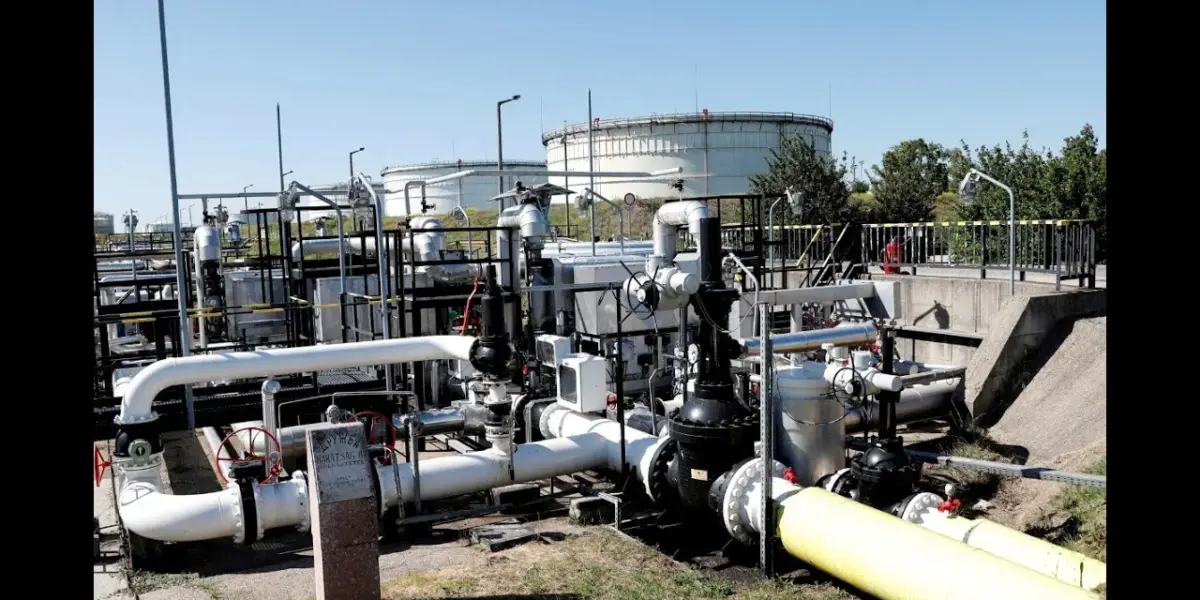
Russia is preparing to increase its energy exports to China, signaling a deepening economic partnership as global markets face uncertainty. This move comes ahead of an anticipated visit by Russian President Vladimir Putin to Beijing, highlighting the growing ties between the two nations amidst rising tensions in the Middle East and ongoing Western sanctions.
Russian Foreign Minister Sergey Lavrov announced Moscow’s readiness to boost energy supplies during a recent news conference in Beijing. He specifically mentioned China and other nations impacted by disruptions in the global energy markets. This statement underscores Russia’s strategic pivot towards Asian markets, a trend that has accelerated significantly in recent years.
A Strategic Pivot East
The shift in Russia’s energy trade towards China and India began in earnest after the United States imposed sanctions on Russian crude oil. Europe’s decision to phase out Russian imports, a response to Russia’s 2022 invasion of Ukraine, further accelerated this redirection. These geopolitical events have fundamentally altered global energy flows.
The impact of this shift is starkly visible in trade data. In the first quarter of the current year, China and India together absorbed approximately 90% of Russia’s oil exports. This concentration of trade demonstrates Russia’s heavy reliance on these two key Asian economies for its energy revenue.
Deepening Diplomatic and Economic Ties
President Putin’s visit to China, reportedly planned for mid-May, is expected to further solidify this relationship. This visit follows a meeting between Foreign Minister Lavrov and Chinese leader Xi Jinping in Beijing. During their meeting, Xi emphasized the importance of deepening cooperation and mutual support for each other’s core national interests.
This high-level engagement signals a commitment from both sides to strengthen their strategic partnership. It reflects a shared desire to create a more multipolar world order, less influenced by Western powers. The energy trade is a significant component of this broader alliance.
Why This Matters
This development is crucial for understanding the evolving global energy map and geopolitical alliances. Russia’s increased reliance on China for energy exports provides Beijing with significant leverage and a stable, albeit politically complicated, energy source. For Russia, it represents a vital economic lifeline, mitigating the impact of Western sanctions and isolation.
The situation also affects global energy prices and supply chains. Disruptions in one major exporting region, like Russia, can have ripple effects worldwide. China’s growing role as a major energy importer and Russia’s increasing dependence on Asian markets are key trends shaping international relations and economic stability.
Historical Context and Future Outlook
Russia and China have historically maintained complex relations, but their economic and strategic alignment has strengthened considerably in the last decade. The current geopolitical climate, marked by Western sanctions against Russia and rising US-China tensions, has pushed them closer together.
The future outlook suggests a continued strengthening of this energy and diplomatic partnership. As long as Western sanctions remain in place and global energy markets remain volatile, Russia will likely continue to prioritize its exports to China and India. China, in turn, benefits from access to discounted Russian energy, which supports its economic growth.
The upcoming Putin visit is expected to outline concrete steps for increased energy cooperation. This could include new pipeline projects or expanded long-term supply contracts. These agreements will have lasting implications for energy security in Asia and Russia’s economic future.
The next key indicator will be the specific agreements announced during or shortly after President Putin’s visit to China, expected around mid-May.
Source: Russia Signals Boost in Energy Exports to China Ahead of Putin Visit (YouTube)

Related Articles
China Aids Iran, Trump to Confront Xi on Trade
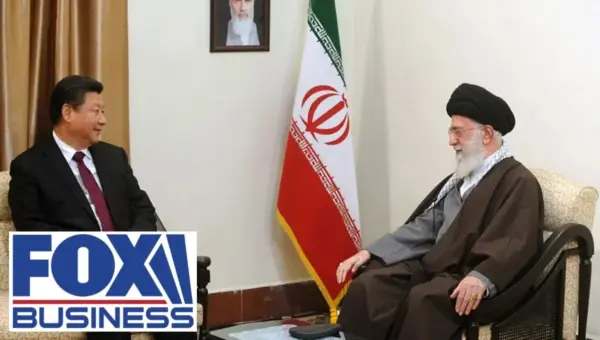
President Trump plans to discuss China's alleged support for Iran with President Xi Jinping at an upcoming summit. Reports indicate Iran has used Chinese spy satellites, and concerns exist over dual-use technology transfers. U.S. actions to limit Iran's oil exports aim to pressure China, a key energy partner.
China’s Deep Reach Threatens South Korea’s Stability
South Korea faces growing concerns over deep Chinese Communist Party influence, impacting its real estate, media, and politics. Demographic shifts and targeted investments are raising alarms about potential threats to its sovereignty and its role as a US ally.


Iran Seeks Deal: Is This a Sign of Peace?
Iran's return to negotiation talks raises questions about its true intentions. While some see it as a sign of wanting peace, others believe it's a tactic to buy time. The U.S. maintains a firm stance against Iran acquiring nuclear weapons, focusing on economic pressure and reducing Iran's capabilities.