China’s Spy Satellite Aided Iran’s Attacks on US Bases
A new report reveals Iran has used a Chinese spy satellite to monitor US military bases in the Middle East, potentially aiding in recent attacks on American warplanes. Leaked documents suggest Iran purchased the satellite, which significantly outperformed its own capabilities, raising concerns about China's role in regional conflicts.

China’s Spy Satellite Aided Iran’s Attacks on US Bases
A new report suggests China’s technology may have directly helped Iran target American military installations in the Middle East. Leaked Iranian military documents, reported by the Financial Times, indicate that Iran purchased a Chinese spy satellite in late 2024. After its launch from China, this satellite provided Iran with crucial imagery to monitor key US military bases in the region for several years.
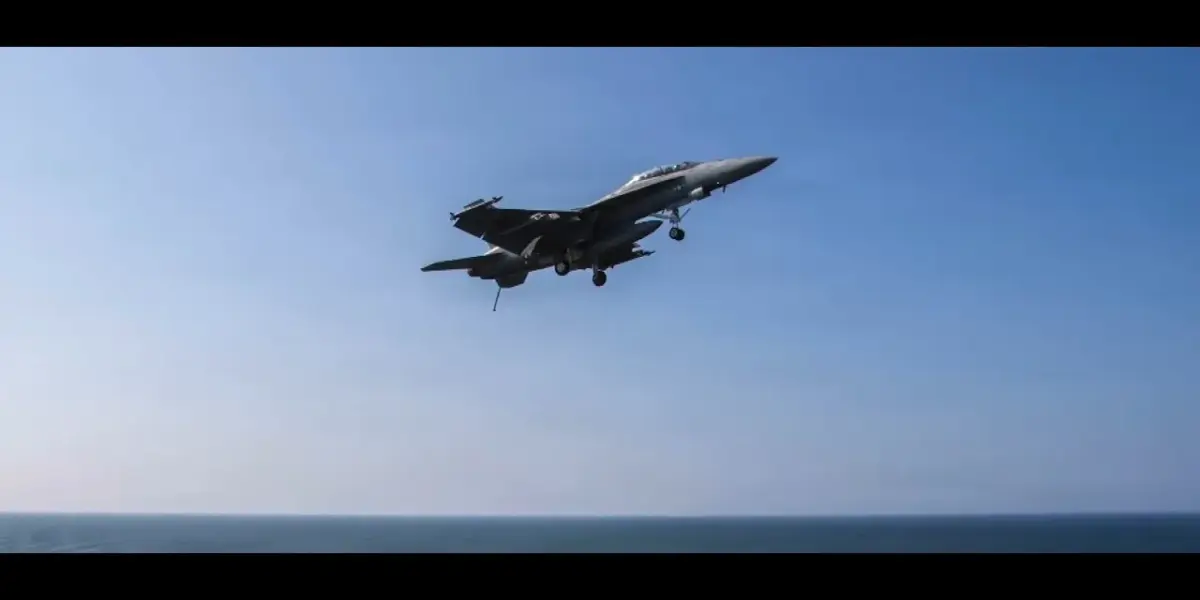
This access to advanced satellite data appears to have had serious consequences. Last month, five US warplanes stationed at a base in Saudi Arabia were damaged in an attack.
President Trump confirmed the damage to these aircraft. The Financial Times report noted that Chinese satellite imagery showed activity over the Saudi base around the time of the incident.
The timing of these events is significant. Other US assets in different Gulf countries were also targeted around the same period when Iran announced strikes on those locations.
This suggests a pattern where Iranian actions were informed by intelligence gathered from space. The report highlights that these targeted assets, along with others not yet attacked, now face increased risks.
The Chinese satellite in question significantly outperformed Iran’s own most advanced military satellites. Its capabilities allowed for the identification of various objects, from aircraft to large infrastructure. This level of detail is vital for planning and executing military operations or attacks.
Further complicating matters, the report points out that the satellite was built and launched by a company linked to the Chinese military. This connection raises questions about the extent of China’s involvement and awareness of how its technology was being used. It suggests a potential state-sponsored element behind the transfer of such advanced surveillance capabilities.
This situation arises amidst ongoing reports that China is also preparing to send additional air defense systems to Iran. President Trump addressed this issue directly, stating he had written to Chinese President Xi Jinping asking him to stop. According to Trump, Xi responded in a letter, assuring him that China was not sending weapons to Iran.
Despite President Xi’s pledge, the situation remains tense. A potential summit between President Trump and President Xi was expected in mid-May in Beijing. Discussions at such a meeting would likely include sensitive topics such as Taiwan, the conflict in Iran, and trade relations between the two global powers.
Following Xi’s reported assurance, President Trump made a public statement about the Strait of Hormuz. He declared the US was permanently opening the vital waterway. However, traffic through the Strait of Hormuz has continued to face disruptions, indicating that geopolitical tensions and their effects on global trade routes persist.
Why This Matters
The implications of this report are far-reaching, affecting international security and the complex relationship between the US, China, and Iran. It suggests that a major global power, China, may be indirectly enabling hostile actions against the United States through its advanced technology. This could escalate regional conflicts and create new challenges for US foreign policy and military strategy.
Historical Context and Background
For years, Iran has sought to strengthen its military capabilities, often looking to foreign partners for advanced technology. The US has consistently warned against countries providing Iran with weapons or sophisticated surveillance tools, viewing such actions as destabilizing.
China, while officially maintaining a neutral stance in many regional conflicts, has increasingly been seen as a growing player with its own strategic interests in the Middle East. This report adds a new layer to that dynamic, suggesting a more active role in supplying capabilities that could be used against American forces.
Implications, Trends, and Future Outlook
This incident highlights a growing trend of technological proliferation and its impact on geopolitical rivalries. As surveillance technology becomes more accessible, it can empower non-state actors or nations with fewer resources to challenge more powerful adversaries.
The future outlook suggests increased scrutiny on international technology transfers, particularly those involving countries with strained relations with the US. It also points to a potential arms race in space-based surveillance and countermeasures, as nations seek to gain or deny an advantage in monitoring capabilities.
The report’s findings could lead to increased diplomatic pressure on China from the United States. It may also prompt a review of how US military bases and assets are protected against sophisticated intelligence gathering. The ongoing strain on the Strait of Hormuz, a critical chokepoint for global oil supply, is a constant reminder of the volatile nature of the region and the potential for disruption.
The next steps will likely involve further investigation into the specifics of the satellite transfer and China’s role. Diplomatic efforts will continue to aim for de-escalation, but the underlying tensions and technological competition are expected to persist. The situation remains fluid, with potential for further incidents or diplomatic maneuvers as mid-May approaches.
Source: China Satellite Monitors US Military Bases For Iran: Report (YouTube)

Related Articles

China Agrees Not to Send Weapons to Iran, Trump Claims
President Trump claims China has agreed to stop sending weapons to Iran, a move aimed at increasing pressure on Tehran. The U.S. is also tightening economic sanctions and enforcing a naval blockade on Iranian ports. Diplomatic talks are ongoing as a ceasefire nears its expiration.


Iran Talks Resume as Trump Faces Costly Compromise
Renewed diplomatic efforts are underway as the U.S. and Iran engage in talks aimed at de-escalating rising tensions. Reports suggest a potential deal mirroring past agreements, focusing on limiting Iran's uranium enrichment. This comes after a period of conflict that saw significant costs and damaged U.S. global standing.


Bitcoin Surges as Iran Leverages Crypto Amidst US Sanctions
Bitcoin's price surged past $75,000 amid reports of Iran leveraging the cryptocurrency for billions in transactions and facing US sanctions. Meanwhile, Elon Musk's X platform launched a new crypto and stock feature powered by Solana, sparking debate on Bitcoin's origins and decentralization.