Hungary Ousts Putin Ally; Ukraine Ups Drone Strikes
Hungary's election ousts Viktor Orbán, a key ally of Vladimir Putin, signaling a shift in European politics. Meanwhile, Ukraine has increased its drone strikes into Russia, surpassing Russian attacks for the first time since the war began. Reports also suggest U.S. pressure on Ukraine regarding territorial concessions in exchange for security guarantees.

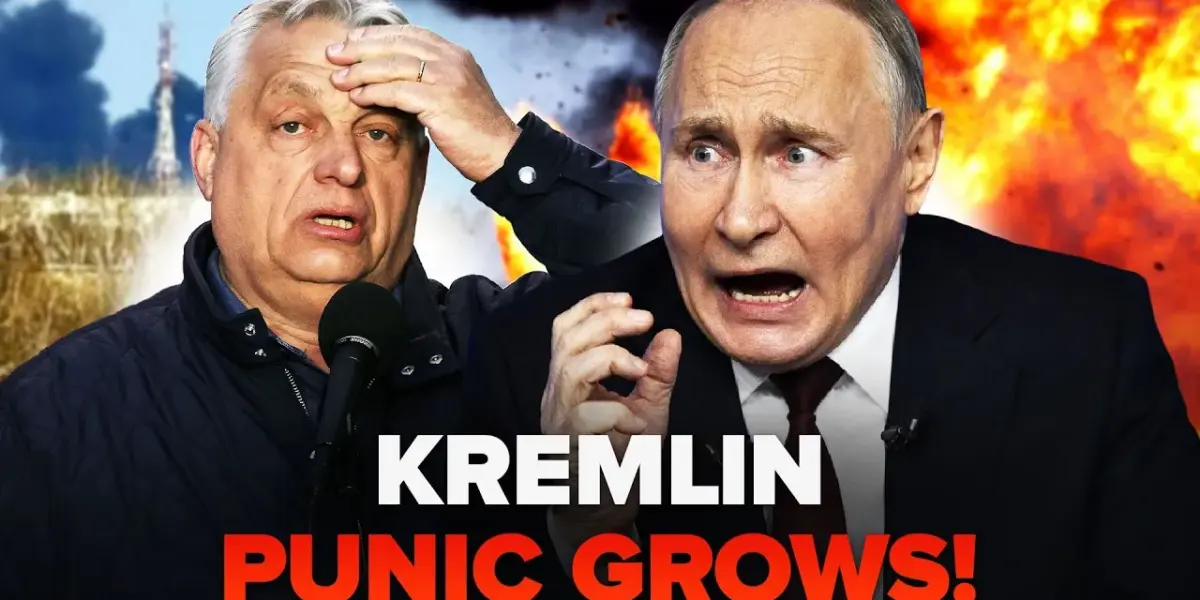
Hungary Ousts Putin Ally; Ukraine Ups Drone Strikes
Hungary’s long-serving Prime Minister Viktor Orbán has lost power after 16 years. Election results show a significant setback for Russian President Vladimir Putin and his influence in Europe.
Orbán, seen as Putin’s closest European ally, had often opposed European Union sanctions on Russia. He also maintained strong energy and political ties with Moscow, even after Russia’s invasion of Ukraine.
The opposition leader Péter Magyar’s party is expected to win a two-thirds majority in parliament. This strong mandate could allow the new government to quickly change Hungary’s policies.
Magyar has indicated a desire for better relations with the EU and a more cooperative approach to global issues, including the war in Ukraine. While not calling for a complete break with Russia, his stance signals a clear departure from Orbán’s policies.
Orbán’s government frequently delayed or blocked EU decisions. These included sanctions against Russia, military aid, and financial support for Ukraine.
His defeat raises expectations that these obstacles could be removed. A more aligned Hungary could allow the EU to act more quickly and decisively, especially concerning Ukraine.
The Kremlin responded cautiously, expressing hope for pragmatic relations with Hungary’s new leadership. However, losing a friendly government in Budapest is a strategic blow to Moscow.
Orbán had cultivated a close relationship with Putin for over a decade. Their partnership promoted a political model emphasizing national sovereignty and skepticism towards Western liberal values, making him a key Russian partner within the EU.
Strategic Implications for Europe and Ukraine
The change in Hungary is seen as a significant moment for Ukraine and European security. After 16 years of Orbán’s rule, which critics describe as moving towards authoritarianism, the election result was a turning point.
Orbán attempted to control the judiciary, suppress dissent, and influence media through state outlets. However, the scale of opposition and support for Magyar’s Tisza Party led to his electoral defeat.
While Magyar has not committed to fully supporting Ukraine on all fronts, his victory removes the Hungarian blockade on a 90 billion euro loan for Ukraine. Orbán had blocked this crucial financial aid since December. The new government’s stance may also reduce opposition to further sanctions against Russia, though this remains to be seen.
Magyar has clarified that Ukraine’s path to EU membership will follow the normal procedure, not an accelerated one. For Europe more broadly, this development removes the perception of the Kremlin having a dedicated ally within the EU bloc. While Slovakia’s government under Robert Fico maintains ties with Russia, Hungary carried more political weight.
The shift in Hungary signifies a return to an EU capable of proceeding with support for Ukraine. It means an end to the constant stalling and delays caused by Budapest’s previous stance.
This is also a setback for the idea that hard-right populism is globally ascendant. Orbán was part of a network of politicians linked to the far-right across Europe and the United States.
Ukraine Increases Drone Strikes on Russia
In March 2024, Ukraine launched more long-range drones into Russia than Russia launched into Ukraine. This marks the first time since the full-scale war began in 2022 that Ukraine has led in cross-border drone attacks. The analysis is based on figures reported by both Ukraine and Russia, though the data has limitations.
Russia reported shooting down 7,347 Ukrainian drones in March. This averages about 237 drones per day.
Ukraine reported Russia launched 6,462 drones and 138 missiles into Ukraine during the same period. This averages about 208 drones per day, according to Ukrainian reporting.
ABC News analysis, using these figures, concluded that Ukraine conducted more drone strikes into Russia. However, the report notes that Russia’s figures refer to intercepted drones, while Ukraine’s refer to drones launched against it.
This means the numbers do not represent a direct count of confirmed strikes. Both sides have not always provided full information, adding uncertainty to exact totals.
Despite these limitations, the overall trend shows a clear increase in Ukraine’s long-range drone strikes targeting Russia. Ukraine has been using these drones to hit targets like oil depots, energy infrastructure, and military logistics sites within Russian territory. Drones are cheaper and easier to produce than missiles, allowing Ukraine to expand its operations beyond the front lines.
Ukraine’s growing drone campaign aims to disrupt Russia’s economy, particularly energy production and exports. It also forces Russia to divert air defense resources.
It increases pressure on Russian military and industrial infrastructure. This approach brings the war’s effects more directly into Russia, marking a shift towards offensive cross-border operations.
US Pressure on Ukraine for Territorial Concessions
Meanwhile, reports indicate that the United States has discussed offering security guarantees to Ukraine. These guarantees might be part of a potential peace deal. However, Ukrainian President Volodymyr Zelenskyy suggested these guarantees could depend on Ukraine relinquishing control of the Donbas region.
According to Reuters, Zelenskyy indicated in a March 25th interview that U.S. officials were linking future military and security support to progress on a broader peace settlement. This settlement could involve territorial concessions. He suggested Ukraine faced pressure to consider such terms to hasten an end to the war.
The comments highlight a potential connection between Ukraine’s territorial integrity and the issue of security guarantees. U.S. officials have reportedly pushed back against demands for concessions. However, reports suggest that territorial questions, specifically the status of Donbas, have been part of ongoing discussions involving U.S. officials.
Earlier reports mentioned U.S.-backed peace plans exploring Ukrainian concessions in eastern regions. These concessions could be part of a larger deal including security guarantees and long-term defense commitments. However, details of these proposals remain unconfirmed and may represent negotiating positions rather than final policy.
Within Ukraine, trading territory for security guarantees remains deeply unpopular. Public opinion polls show a majority of Ukrainians oppose giving up land, even for stronger security protections. This issue reveals deeper tensions in the peace process, with Ukraine seeking firm guarantees before making territorial decisions.
The gap between public positions, private negotiations, and the realities on the ground continues to complicate efforts to end the war. For now, it is unclear if a deal along these lines will be reached.
Source: 💥Putin hit HARD — closest ally LOST POWER! Kremlin faces SETBACK (YouTube)

Related Articles

Trump Battles Fed Chair Over Rates, Faces Hungary Blueprint Loss
Donald Trump continues his public pressure campaign against Federal Reserve Chair Jerome Powell, demanding lower interest rates and even threatening to fire him. This conflict is now intertwined with an investigation into Powell's testimony regarding a Federal Reserve building renovation. Meanwhile, the article draws parallels to Hungary's recent election, where voters ousted Viktor Orbán, signaling a potential warning against concentrated power.


Maddow: Trump’s Hungary Ties Raise Security Concerns
The Rachel Maddow Show on April 13, 2026, raised serious national security concerns regarding Donald Trump's relationship with Hungarian Prime Minister Viktor Orbán. Maddow detailed Orbán's authoritarian actions and his alignment with Russia, questioning the potential risks to U.S. alliances and global stability.

Trump’s Allies Abroad Face Setbacks, Raising Concerns for GOP
The recent electoral defeat of Hungarian Prime Minister Viktor Orban, a key ally of Donald Trump, is raising concerns for the former president's political strategy. Analysts suggest that the loss signals potential trouble for Trump's own political playbook, particularly his attempts to project an image of inevitability and consolidate power. The findings also highlight growing voter discontent, fueled by economic woes and broken promises, which Democrats aim to capitalize on in upcoming elections.