Congress Faces Reckoning: Expulsions Expose Deep-Seated Corruption
Congressional expulsions are exposing alleged misconduct and taxpayer-funded cover-ups, raising calls for greater accountability. Efforts to reveal 'slush funds' for settlements are facing resistance, but public pressure is driving some transparency. This moment could signal a crucial shift towards ethical governance in Washington.

Congress Faces Reckoning: Expulsions Expose Deep-Seated Corruption
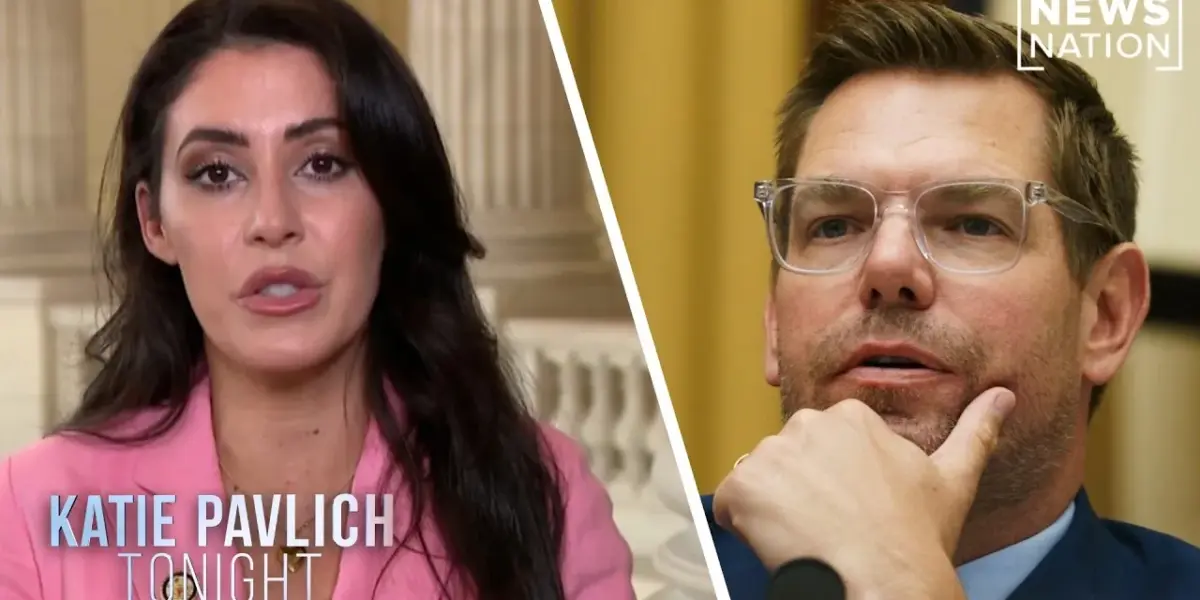
A recent push to expel members from Congress is shining a harsh light on long-standing issues of misconduct and alleged cover-ups. Representative Anna Paulina Luna highlights how these efforts are not just about individual bad actors, but about a system that has, at times, allowed problems to fester. The timing of these actions, particularly before major elections, suggests a political calculation, but also a growing impatience with alleged wrongdoing.
Luna points out that the past actions of some members, like Representative Eric Swalwell, were an “open secret” among other Democrats. This suggests a level of awareness within the party that wasn’t always acted upon.
The surfacing of damaging information, including a hotel room video, prompted many of Swalwell’s own staff to contact Luna’s office. They urged her not to withdraw a motion for his expulsion, even providing written resignation statements, showing a profound lack of trust in him to do the right thing.
The situation with Swalwell is part of a larger trend. Representative Lauren Boebert has called for scrutiny of congressional pensions, while Republican Tony Gonzales resigned following an affair with a staffer who later died tragically. These cases raise serious questions about accountability in Washington and whether criminal referrals are a necessary next step.
Luna explains that Swalwell is currently facing multiple criminal investigations. These include probes by District Attorneys in New York and California, as well as potential interest from the Department of Justice.
Beyond accusations of sexual misconduct, a significant concern is the alleged mishandling of classified information. The FBI had previously warned Swalwell to be cautious with such sensitive material, indicating a pattern of potential issues.
Regarding Tony Gonzales, Luna acknowledges his admitted wrongdoing, including harassment and an inappropriate relationship. However, she draws a distinction between his actions and those of Swalwell, suggesting they may not be on the same level, even if both are considered serious. This difference in perceived severity might influence the direction of any investigations or consequences.
The Hidden Costs of Secrecy
A crucial aspect of this discussion is the use of taxpayer money to cover up allegations. Between 1997 and 2017, Congress reportedly paid nearly $18 million to settle claims of harassment and other misconduct. This practice, codified in the Congressional Accountability Act of 1995, effectively shielded wrongdoing from public view.
When Representative Nancy Mace attempted to bring attention to this “slush fund” for settlements, her motion was overwhelmingly voted down by more than three-quarters of Congress, including both Democrats and Republicans. Such votes are often referred to the Ethics Committee, a process Luna describes as a place where issues “go to die” unless there is significant public pressure.
However, pressure can make a difference. In the case of Representative Sheila McCormick, who was found guilty by a bipartisan House Ethics Committee on 25 out of 27 counts related to breaking the law and misconduct, a public campaign was necessary. McCormick is accused of stealing $5 million in FEMA funds, and an investigation is ongoing.
Luna’s own efforts to bring expulsion resolutions have triggered other related investigations. She views these expulsions as a necessary “good riddance” to members who have engaged in egregious behavior. The goal is to prevent future cover-ups and hold individuals accountable for their actions, especially when public funds are involved.
The fight for transparency is ongoing. After an initial speech on House Oversight, Luna managed to get a motion passed to release documents related to a case where a member’s staffer died by suicide after allegedly being sexually harassed. This vote, which came after her impassioned plea, aims to bring those documents to light within about a week.
Why This Matters
The ongoing expulsions and investigations highlight a critical moment for American democracy. They signal a potential shift away from a culture of impunity towards greater accountability for elected officials. The use of taxpayer money to hide misconduct erodes public trust and suggests that some in power are more concerned with protecting themselves and their colleagues than serving the public interest.
This situation is not entirely new. Historically, scandals and calls for reform have periodically swept through Washington.
However, the current focus on transparency and the willingness of some members to challenge the status quo suggest a potentially more robust effort to clean house. The involvement of staff in reporting misconduct is a significant development, indicating that those closest to the alleged wrongdoers are no longer willing to remain silent.
The implications are far-reaching. If Congress can successfully implement stricter oversight and accountability measures, it could lead to a more ethical and trustworthy government.
Conversely, if these efforts are stifled or watered down, it could further entrench cynicism and distrust among the electorate. The future outlook depends on sustained public pressure and the commitment of lawmakers to enact meaningful reforms, moving beyond partisan divides to address systemic issues.
The next step in this process involves the release of documents related to the harassment case, which are expected within a week. This release could provide further evidence and fuel ongoing debates about accountability and transparency in Congress.
Source: Rep. Anna Paulina Luna: Swalwell’s past was an open secret among Democrats | Katie Pavlich Tonight (YouTube)

Related Articles

Swalwell’s Capitol Hill Conduct: An Open Secret No More
Congressman Eric Swalwell's resignation followed years of 'open secret' allegations about his conduct. His staff's distrust and a formal expulsion motion finally brought the issue to light, raising questions about accountability in Washington.

Democrats Launch Bold Offensive Against Trump
Democrats are launching a strong offensive against Donald Trump, questioning his fitness for office and impeaching cabinet members. They also criticize Republican economic policies and Pentagon spending. This marks a strategic shift towards challenging the status quo and holding figures accountable.

Congress Faces Reckoning: Politics Fuels Resignations Over Misconduct
Recent resignations in Congress, driven by sexual misconduct allegations, reveal a complex interplay of ethics and political strategy. While calls for transparency grow, departures appear politically motivated to maintain party balance, highlighting a slow path to reform.