Political Divide Fuels Outrage After Campus Attack
A campus incident involving Charlie Kirk has ignited a fierce debate over political accountability. Students are calling for mutual condemnation of hateful speech, highlighting a growing divide in how political sides address extremism within their ranks.

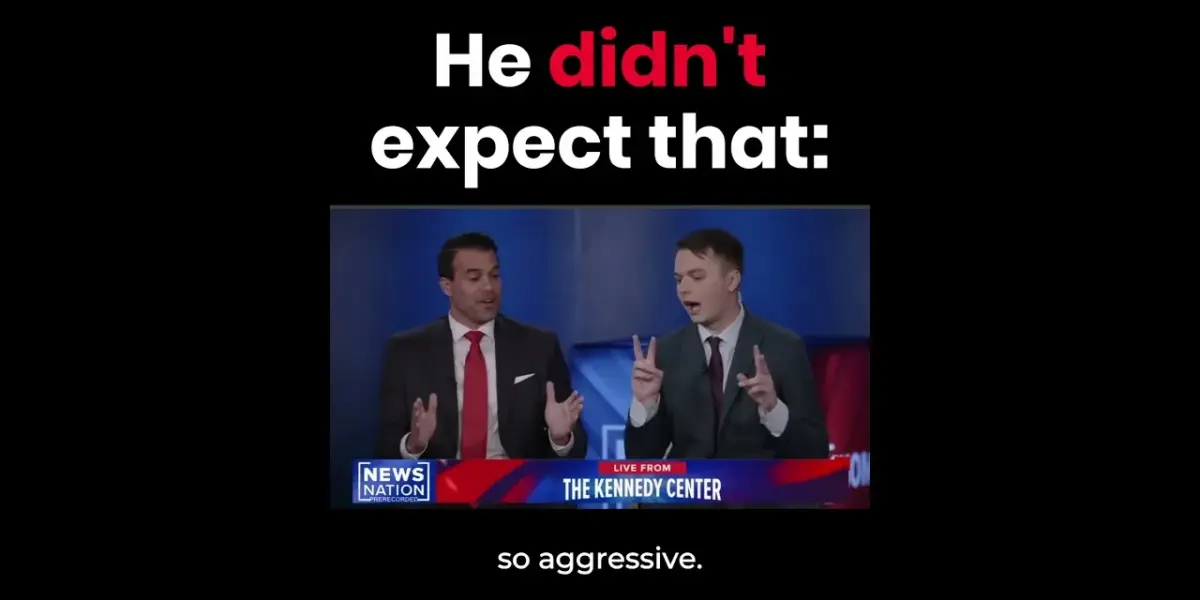
Campus Tensions Flare After Charlie Kirk Incident
Following a disturbing incident involving Charlie Kirk, a wave of anger and division has swept across campus. Reports indicate that Kirk faced insults and even physical aggression, with one person spitting at his table. The situation escalated when students approached Kirk’s group afterward, making hateful remarks suggesting he ‘deserved it.’ This hostile environment has sparked a significant debate about political discourse and accountability.
The immediate aftermath saw a young liberal student publicly condemn the hateful comments directed at Kirk. This student stated, ‘I wholeheartedly condemn anybody who was saying insane things about Charlie Kirk, horrendous things about Charlie Kirk, anyone who is spitting or shutting down conversation.’ They emphasized that such actions do not represent American values and expressed a clear willingness to condemn extremism from their own political side.
Calls for Mutual Condemnation
This student then challenged their counterpart, asking for a similar condemnation of offensive remarks made within their own political circles. Specifically, they referenced ‘gas chambers in group chats,’ implying a disturbing trend on the right. The response was evasive, with the other person asking, ‘Are we really going to do this again?’ This refusal to directly condemn the alleged behavior highlighted a perceived double standard in accountability.
The exchange grew heated as the first student pressed for an answer. The second individual responded with aggression, stating, ‘Your energy is so aggressive.’ When the offensive statement about ‘gas chambers’ was repeated, the response was, ‘I love Hitler gas chambers.’ This shocking statement was met with a plea to ‘Just easy, easy, buddy,’ indicating a struggle to process or address the severity of the remark.
The Broader Political Context
The conversation then broadened to include political figures and their affiliations. The first student attempted to connect the offensive remarks to a candidate running for attorney general. They argued that the candidate’s party was not adequately disavowing individuals who expressed such views, suggesting a complicity or tolerance for extremism.
A back-and-forth ensued regarding whether any Democratic members of Congress supported the candidate’s statements. One person claimed a campaign representative on CNN stated they ‘still support him.’ However, this was quickly countered with the argument that support was for the candidate, not necessarily for the specific offensive remarks made. This highlights the complex nature of political endorsements and the nuances of accountability.
Accountability and Political Discourse
The core of the conflict lies in the demand for consistent condemnation of offensive behavior, regardless of political affiliation. The initial student expressed frustration at having to ‘pry’ a condemnation out of the other person. This suggests a belief that holding one’s own side accountable is often met with resistance or deflection, while criticizing the opposition is seen as easier or more natural.
The incident highlights a troubling trend in political discourse where extreme or hateful rhetoric is either ignored, downplayed, or met with weak condemnations. When individuals or groups are attacked, the expectation is that their political allies will offer swift and unequivocal support. However, the transcript reveals a reluctance to apply this same standard when the offensive behavior originates from within one’s own political camp.
Why This Matters
This situation is significant because it reveals a deep fracture in how political groups handle accountability. When one side refuses to condemn hateful speech from its own members, it emboldens those who espouse such views. This can lead to a normalization of extremism, making it harder to have productive political conversations.
The inability to agree on basic condemnations of harmful speech creates an environment where dialogue breaks down. Instead of addressing issues, people get bogged down in arguments about who is more or less accountable. This prevents progress on real-world problems and deepens societal divisions.
Implications and Future Outlook
The trend of partisan defensiveness suggests that political discourse will likely remain highly polarized. Without a shared commitment to condemning hate speech, the space for reasoned debate will continue to shrink. This makes it harder for society to come together and solve problems.
Moving forward, there’s a need for a stronger emphasis on principles over party loyalty. Both sides must be willing to hold their own members accountable for offensive or harmful actions. This willingness is crucial for rebuilding trust and fostering a healthier political environment for everyone.
Historical Context
Throughout history, political movements have often struggled with internal dissent and the handling of extremist elements. From the civil rights movement to various political revolutions, leaders have faced the challenge of maintaining unity while confronting unacceptable behavior within their ranks. The current situation echoes these historical struggles, but the speed and reach of modern media add new layers of complexity.
The public’s ability to instantly share and react to incidents, as seen in this transcript, amplifies these conflicts. What might have once been a private conversation can quickly become a public spectacle, putting immense pressure on individuals and political figures to respond. This constant scrutiny can lead to knee-jerk reactions or calculated evasions, neither of which fosters genuine understanding.
The refusal to condemn offensive statements, particularly those referencing historical atrocities like the Holocaust, is deeply concerning. Such rhetoric can trivialize immense suffering and signal a dangerous disregard for human dignity. It’s a reminder that the fight against hate requires constant vigilance and a commitment to clear moral lines.
The upcoming attorney general election mentioned in the transcript is a concrete example of these stakes. Voters will have to consider not just a candidate’s policies but also their willingness to disavow extremist elements within their party. The outcome of such elections can signal whether a community prioritizes divisive rhetoric or a commitment to inclusive values.
Source: He Flipped It On Them 🔥 (YouTube)

Related Articles

MAGA Troll’s Hate Speech Backfires, Provoking Outrage
A MAGA supporter's homophobic confrontation with a gay couple and their child backfired, leading to a physical altercation and widespread criticism. The incident highlights the spread of hate speech and its normalization in political discourse.

Kash Patel’s Reputation Crumbles Amidst Damning FBI Report
A new report details alleged failures and questionable behavior by Kash Patel during his time at the FBI, including struggles with alcohol and password issues. Patel's response, including threats of lawsuits, has drawn further criticism.
Lawyer Fined $250 for Ignoring Court Orders in Immigrant Case
A DOJ lawyer received a $250 fine for missing multiple court deadlines in an immigrant detention case. The judge ordered the release of the detainee, but the lawyer failed to file required documents and return the person's identification. This incident highlights issues of lawyer accountability and potential systemic problems within immigration law.