US Forces Ready as Iran Ceasefire Deadline Looms
U.S. military forces are on high alert as a critical ceasefire deadline with Iran approaches. General Joseph Votel stressed the importance of maintaining military readiness and flexibility to support diplomatic efforts. Tensions remain high due to Iran's stance and disruptions in the Strait of Hormuz, impacting global oil supplies.

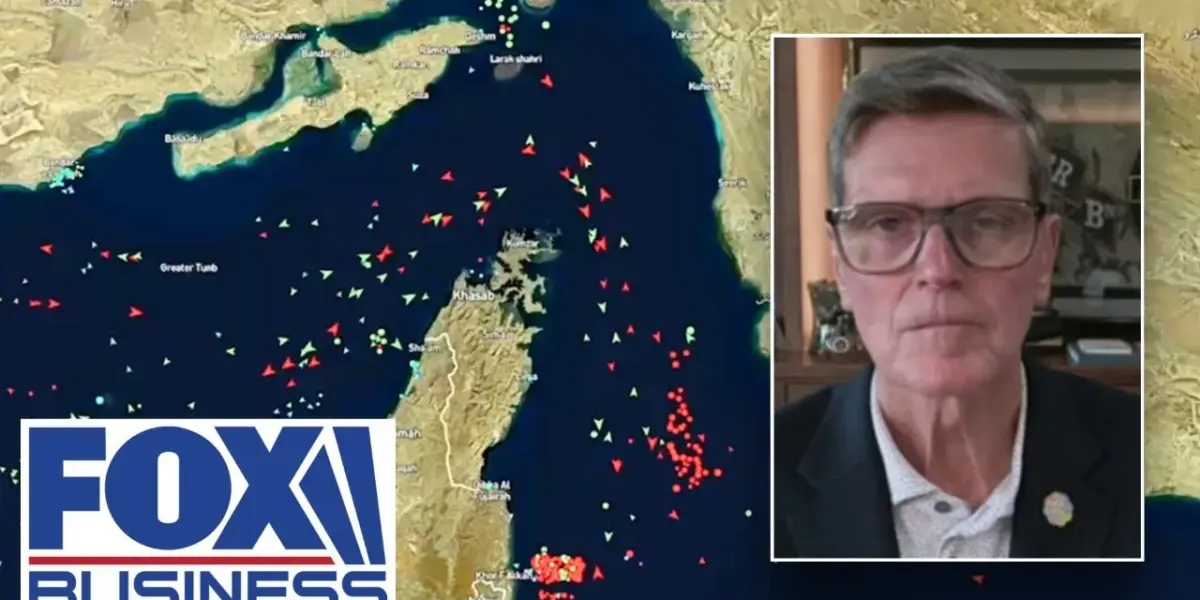
US Forces Ready as Iran Ceasefire Deadline Looms
As a critical ceasefire deadline between the U.S. and Iran approaches, U.S. military forces are maintaining a high level of readiness and flexibility. The deadline, set to expire soon, has been a point of tension, with Iran showing little interest in negotiations despite President Trump’s threats. The Iranian Foreign Minister stated that continued ceasefire violations by the U.S. are a major obstacle to the diplomatic process.
Adding to the tension, U.S. forces recently seized an Iranian cargo ship in the Gulf of Oman as part of a naval blockade. This action, which disabled the ship’s engines, was a professional execution by the U.S. Navy. It aimed to send a clear message to the Iranian regime about the seriousness of U.S. intentions regarding the blockade.
Military Action Supports Diplomacy
Retired General Joseph Votel, who oversaw U.S. operations in the Middle East from 2016 to 2019, emphasized that the military’s role is just one part of the solution. He believes the military component is important for enforcing instructions and sending a message, but the diplomatic efforts are even more crucial. Vice President Pence is expected to meet with Iranian officials to address the underlying issues.
General Votel explained that the administration’s strategy involves being deliberate. Any military actions, such as occupying islands or imposing punishments, must be closely aligned with the negotiating strategy.
This coordination ensures that military pressure directly supports diplomatic goals, rather than undermining them. The goal is to increase pressure on the Iranian regime while providing the negotiating team with maximum flexibility.
Global Oil Supply Concerns
Iran’s actions in the Strait of Hormuz have disrupted global oil supplies, creating significant concern. This disruption affects not just production but the overall availability of oil worldwide. If General Votel were still head of U.S. Central Command (CENTCOM), his primary focus would be executing orders from the Commander in Chief.
This includes enforcing the blockade while simultaneously working to open alternative shipping routes. The Navy took action last week to help clear a route, a move that received less public attention. Being prepared to do both—enforce restrictions and ensure passage—provides crucial options for the U.S.
Navigating Different Political Systems
A key challenge is the difference between the U.S. democratic society and Iran’s autocratic regime. The U.S. administration, particularly President Trump, is sensitive to public concerns like the price of gasoline.
High energy costs can significantly impact voters, making it a political issue. In contrast, Iran’s leaders, often referred to as despots, do not seem to prioritize their citizens’ needs for fuel or food.
This difference means the U.S. must carefully consider domestic impacts when planning military reactions. General Votel acknowledged this, stating that the U.S. military must maintain high readiness.
This readiness allows for operations designed to increase pressure on the Iranian regime and support negotiators. He stressed the critical need for military forces to remain flexible and prepared to respond to changing situations.
Maintaining Flexibility and Readiness
General Votel previously warned about potential issues with Iran over a year ago. He highlighted that U.S. military forces are tasked with maintaining flexibility and readiness to respond to developing situations.
This ensures they can continue to hold the Iranian regime at risk. The military’s preparedness is essential for supporting diplomatic efforts and managing regional stability.
The situation remains dynamic as the ceasefire deadline approaches. U.S. forces are operating under clear orders, balancing military pressure with diplomatic objectives. The focus is on ensuring that the U.S. can effectively respond to any developments while supporting efforts to de-escalate tensions and find a diplomatic resolution.
Market Impact
The ongoing tensions between the U.S. and Iran, particularly concerning the Strait of Hormuz, directly impact global oil prices. Any disruption to shipping traffic in this vital waterway can lead to increased oil costs. Investors closely watch these developments as they can affect energy markets and the broader economy.
The U.S. military’s actions, such as enforcing blockades or ensuring safe passage for vessels, are designed to manage these risks. The success of diplomatic efforts will be key in stabilizing oil supplies and reassuring markets. The administration’s strategy aims to balance the need for pressure with the desire for a peaceful resolution.
What Investors Should Know
Investors should monitor the situation in the Strait of Hormuz closely. Any escalation of conflict could lead to higher energy prices, impacting corporate profits and consumer spending. Conversely, a de-escalation or a successful diplomatic outcome could stabilize markets.
The U.S. military’s readiness and strategic actions are aimed at mitigating extreme price volatility. However, the underlying political factors remain a significant driver of market sentiment. Understanding the interplay between military actions, diplomatic negotiations, and global energy markets is crucial for navigating this complex environment.
Looking Ahead
With the ceasefire deadline imminent, the focus remains on diplomatic engagement supported by military readiness. The U.S. strategy aims to exert pressure while keeping channels for negotiation open. The outcome will shape regional stability and energy markets in the coming weeks.
Source: ‘Really critical’ US forces maintain flexibility, readiness: Gen. Votel (YouTube)

Related Articles

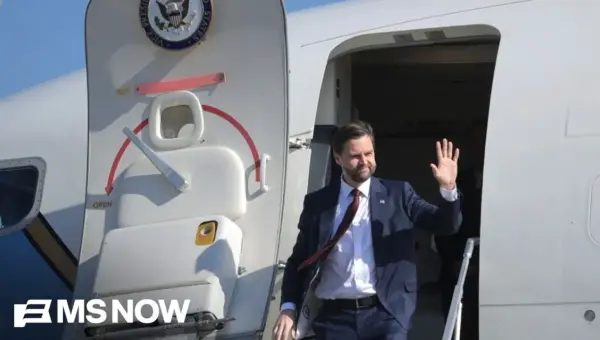
US-Iran Peace Talks Face Doubt as Ceasefire Deadline Nears
As a critical ceasefire deadline looms, the US and Iran are exchanging conflicting signals, casting doubt on upcoming peace talks. While an Iranian delegation was expected in Islamabad, rhetoric from both sides has intensified, with President Trump suggesting a lack of a deal by tomorrow night could lead to renewed conflict. Concurrently, Israel and Lebanon are holding crucial talks to extend their own ceasefire, a development seen as potentially influencing broader regional stability.
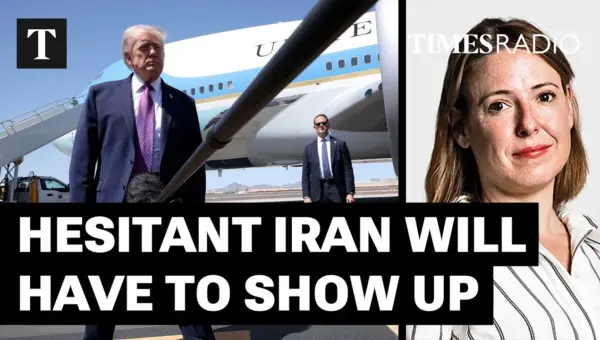
Iran Talks Loom: US Deadline Nears Amid Strait of Hormuz Dispute
High-stakes negotiations between the U.S. and Iran are slated to occur in Islamabad, Pakistan, with a critical deadline set by President Trump. The Strait of Hormuz has emerged as a central point of contention, complicating efforts to secure a ceasefire and de-escalate tensions. Pakistan is actively mediating, aiming to bring both delegations to the table despite significant disagreements and Iran's hesitation.

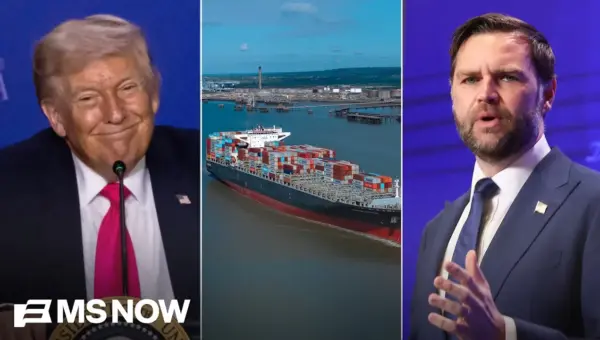
Trump Sends Mixed Messages on Iran Ahead of Key Peace Talks
Vice President J.D. Vance is set to lead a second round of critical peace talks with Iran in Pakistan, amidst escalating regional tensions and conflicting public statements from President Trump. Analysts question the reliability of the President's claims regarding Iran's concessions, suggesting a lack of clear communication is hindering diplomatic progress.