GOP Embraces Bigotry, Then Cries Foul When Targeted
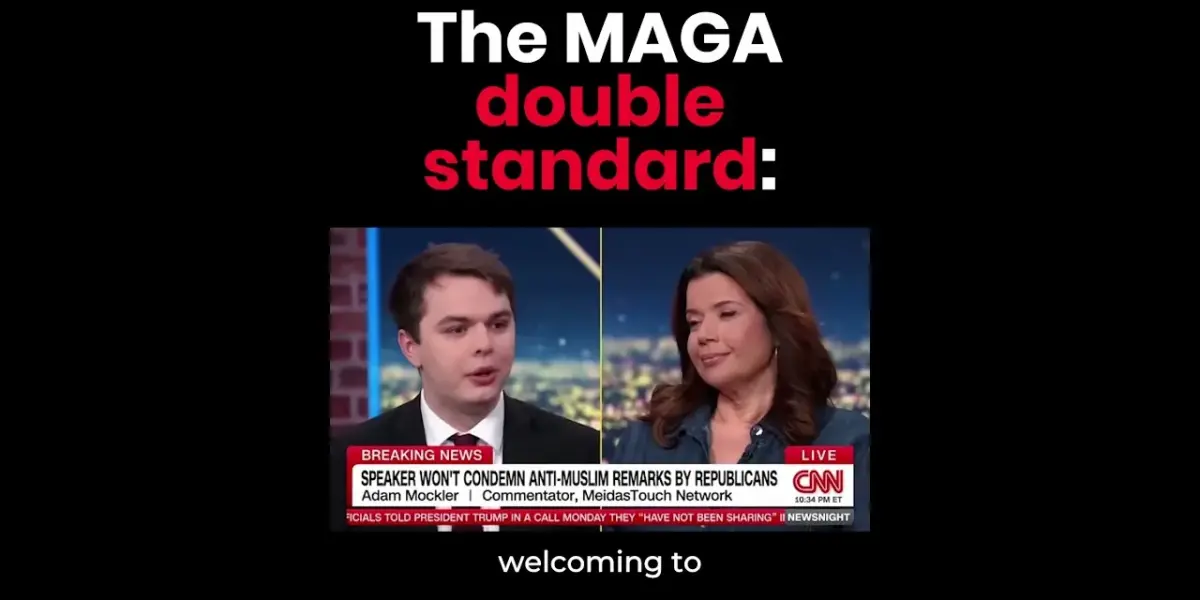
The speaker's family history shows the long presence of anti-Muslim bigotry in the U.S. Some political groups seem to embrace prejudice against certain minorities, like Muslims and transgender people, yet react strongly when targeted themselves. This selective outrage raises questions about a consistent stance against hate.

GOP Embraces Bigotry, Then Cries Foul When Targeted
Anti-Muslim bias has a long history in the United States, stretching back decades. For families who have immigrated, like the speaker’s grandfather who moved from Syria in the early 1980s, this bigotry has been a persistent challenge. The Muslim community he joined in Indiana is filled with successful professionals, including heart surgeons, who contribute greatly to their communities.
It’s striking how some political groups seem open to various forms of prejudice. Republicans, for example, have often shown openness to anti-transgender bias and anti-Muslim bigotry. Yet, these same groups often react strongly when prejudice is directed at them.
This selective outrage raises important questions about consistency in opposing hate. For instance, a politician like Randy Fine has been criticized for Islamophobic remarks.
However, he has also expressed strong opposition when prejudice targets Jewish people. This pattern suggests a need to address all forms of bigotry early on, before they become ingrained in a movement or political party.
Why This Matters
The issue highlights a concerning double standard in how prejudice is perceived and addressed. When bigotry is aimed at minority groups, it is sometimes tolerated or even encouraged by certain political factions. But when the same kind of hateful language or discrimination is turned against those in power or their allies, the reaction can be intense and immediate.
This selective focus on bigotry creates a confusing and unfair environment. It suggests that the problem isn’t necessarily with bigotry itself, but rather with who is the target. This approach undermines efforts to build a truly inclusive society where everyone is protected from hate and discrimination.
Historical Context and Background
Anti-Muslim sentiment in America is not a new phenomenon. It has roots in historical events and has evolved over time, often fueled by media portrayals and political rhetoric. The speaker’s family history illustrates this point, showing that prejudice against Muslims has been present for many decades.
Similarly, anti-transgender sentiment has become more prominent in recent years, often appearing in political debates and legislation. The way these biases are expressed and the groups that support them reveal a broader pattern of how prejudice can be adopted and discarded based on political convenience.
Implications, Trends, and Future Outlook
This trend of embracing certain bigotries while condemning others suggests a political strategy focused on division rather than unity. It allows groups to appeal to specific bases by targeting certain minorities, while also maintaining the ability to claim victimhood when they themselves face criticism.
The future outlook depends on whether society can develop a more consistent and principled stance against all forms of prejudice. Moving forward, it will be crucial for political leaders and the public alike to recognize and challenge bigotry, regardless of who the target is. This consistent approach is key to fostering genuine equality and respect for all individuals.
The conversation about bigotry needs to be broader, looking at how it impacts all communities. It’s about stopping hate before it starts, no matter who it’s aimed at. This principle should guide political discourse and public policy moving forward.
Source: He Exposed Their Tricks 🫣🔥 (YouTube)

Related Articles


Democrats Must Fight: New Book Demands Power
Brian Tyler Cohen's new book, "The Day After," argues that Democrats must learn to wield power more effectively to defend democracy. The book criticizes past Democratic hesitations and offers strategies for a more assertive approach. Cohen believes this is crucial for countering current political threats and ensuring democratic survival.

GOP Lawmaker Warns of Socialist Policies Derailing Dems
A Republican lawmaker warns that the Democratic Party's embrace of "socialist policies" could lead to political downfall. He uses the analogy of a bus losing its wheels to describe the potential negative consequences of this ideological shift.


Trump Official Ousted: Misconduct Rocks Labor Department
Labor Secretary Lori Chavez-DeRemer has reportedly been fired amid allegations of inappropriate relationships, misuse of funds, and excessive drinking on duty. This incident adds to a pattern of misconduct concerns within the Trump administration, raising questions about judgment and national security.