US and Iran Trade Mixed Signals Amid Peace Talk Hopes
The United States and Iran are sending conflicting signals ahead of potential peace talks as a ceasefire deadline approaches. While some diplomatic channels appear open, escalating rhetoric from both sides creates uncertainty. Key issues on the table include the Strait of Hormuz and Iran's nuclear program, complicated by internal divisions and international concerns.

Conflicting Messages Emerge Ahead of Crucial Negotiations
The United States and Iran are sending mixed signals as the deadline for a potential ceasefire approaches. Hopes for peace talks are tempered by escalating rhetoric from both sides, creating uncertainty about the path forward.
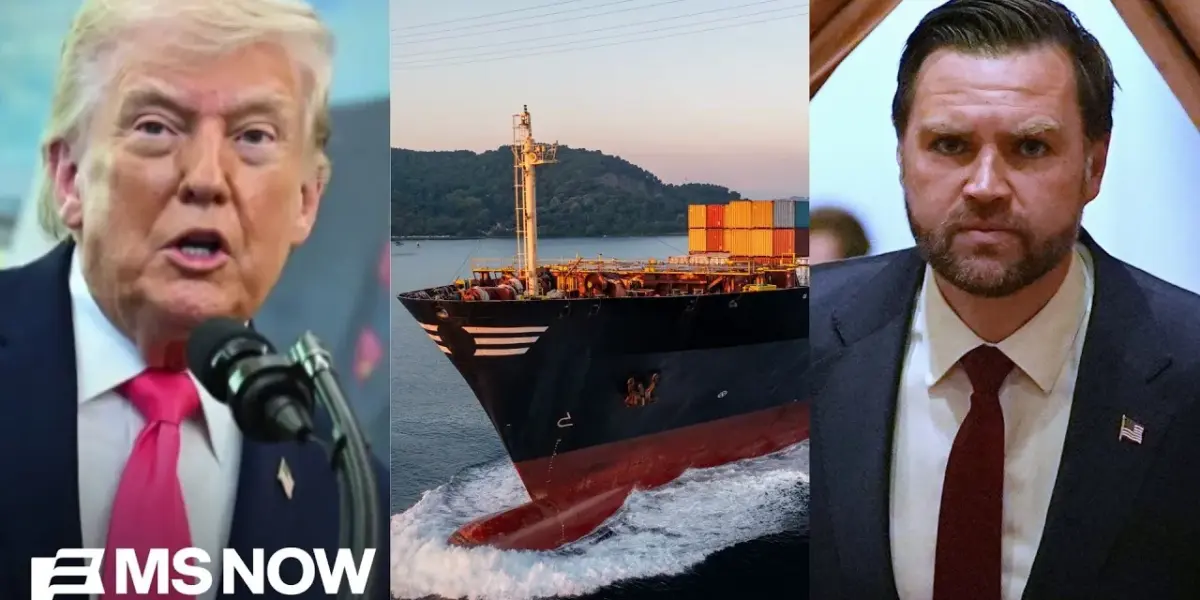
A foreign diplomat in Tehran has indicated that Iran might be willing to engage in negotiations in Islamabad, but only if U.S. Vice President J.D. Vance is present.
U.S. officials have suggested that Vice President Vance is expected to travel to Islamabad for these talks. Pakistan is reportedly making extensive preparations, including deploying additional security personnel, to host these high-stakes discussions. However, both nations are also increasing their public pronouncements, adding tension to the situation.
Escalating Rhetoric and Diplomatic Challenges
Iran’s parliamentary speaker recently stated on social media that the country does not accept negotiations under threats and is prepared to reveal new strategies on the battlefield. Conversely, President Trump told Bloomberg that he is unlikely to extend the ceasefire if a deal isn’t reached by Wednesday night, warning of increased conflict if the truce expires.
Richard Haas, a seasoned diplomat, advised the public to disregard the conflicting statements, suggesting that President Trump’s rhetoric has devalued the importance of presidential remarks. Haas believes that threats do not impress the Iranians and may even make them less willing to compromise. He pointed out that Iran’s approach to negotiations often emphasizes dignity, making the Vice President’s presence a sign of respect.
Key Issues on the Negotiation Table
The primary issues expected to be discussed in any peace talks center on the Strait of Hormuz and Iran’s nuclear program. Iran’s control over the strait and how to manage its nuclear materials and future program are critical points of contention.
Additional topics that could complicate discussions include sanctions relief, the return of frozen assets, Iran’s conventional military forces, and its ballistic missile and drone programs. Support for proxy groups like Hezbollah and Hamas is also likely to be on the agenda.
Internal Divisions and International Support
Experts note that internal divisions within Iran, exacerbated by the conflict, make the negotiation process more complex. The disruption of the traditional decision-making hierarchy has led to more radical voices coming to the forefront. This creates a challenging context for peace talks, involving an unpredictable U.S. side, an Israeli stance that appears uninterested in peace, and a more radical and divided Iranian delegation.
International support for the U.S. policy is described as thin, largely because allies were not consulted about the war or the blockade. Many nations feel that they are more affected by the events than the U.S., especially concerning energy prices. This lack of broad international backing complicates diplomatic efforts.
Economic Pressures and Internal Iranian Politics
Iran’s economy has been a significant weakness, even before the recent conflict. The war has worsened the economic situation, with a falling currency and declining purchasing power. This economic pressure could be a key factor influencing Iran’s willingness to negotiate.
There appears to be a divide within Iran’s leadership regarding how to address these economic challenges. Some favor a more open approach to stabilize the regime, while others, particularly within the Revolutionary Guard, benefit from the current siege economy. This internal dispute plays a key role in shaping Iran’s negotiating stance.
Israel-Lebanon Talks and Future Friction
Separate talks are scheduled between Israeli and Lebanese officials at the State Department, aiming to build on a recent ceasefire. However, experts question the significance of these discussions without the direct involvement of Hezbollah, a powerful group that operates as a ‘state within a state’.
The potential for future friction between the U.S. and Israel is also highlighted. If the U.S. and Iran reach an agreement on the nuclear issue and the Strait of Hormuz, differing views on other matters, such as the continuation of military action, could create significant disagreements.
The Strait of Hormuz as a Negotiation Tool
Iran’s ability to impact the global economy through its control over the Strait of Hormuz is now a significant leverage point. This control allows Iran to influence global trade and energy markets.
Giving up this leverage is difficult for Iranian negotiators. However, the economic pressure on Iran from the blockade and the inability to export goods provides an incentive to reach an agreement. Experts suggest that a creative political solution or a new governing mechanism might be needed to resolve the situation and move beyond the current stalemate.
Looking Ahead
The upcoming days are critical as the ceasefire deadline looms and potential peace talks are on the horizon. The ability of both the U.S. and Iran to navigate their internal divisions and the complex international dynamics will determine whether a lasting peace can be achieved.
Source: U.S. and Iran send conflicting signals ahead of possible peace talks (YouTube)

Related Articles
Trump’s Twitter Storm Fuels Iran War Fears
Donald Trump's late-night social media posts are fueling concerns about escalating tensions with Iran. Amidst unusual air traffic and diplomatic warnings from Iran, Trump's conflicting statements about military actions and negotiations create confusion and mistrust.
Ex-Official: Trump Risks War Crimes with Iran Threats
A former U.S. National Security official warns President Trump's threats against Iran risk war crimes and show a misunderstanding of the nation's government and people. The expert highlights the complexities of ongoing negotiations and the escalating situation around the Strait of Hormuz. A sustainable resolution is deemed necessary to avoid further economic fallout and potential conflict.

US Forces Ready as Iran Ceasefire Deadline Looms
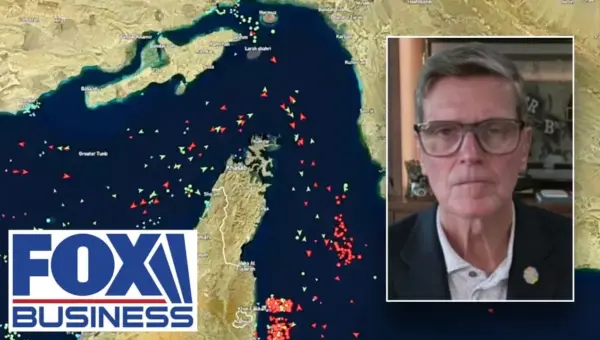
U.S. military forces are on high alert as a critical ceasefire deadline with Iran approaches. General Joseph Votel stressed the importance of maintaining military readiness and flexibility to support diplomatic efforts. Tensions remain high due to Iran's stance and disruptions in the Strait of Hormuz, impacting global oil supplies.