Kash Patel’s Reputation Crumbles Amidst Damning FBI Report
A new report details alleged failures and questionable behavior by Kash Patel during his time at the FBI, including struggles with alcohol and password issues. Patel's response, including threats of lawsuits, has drawn further criticism.

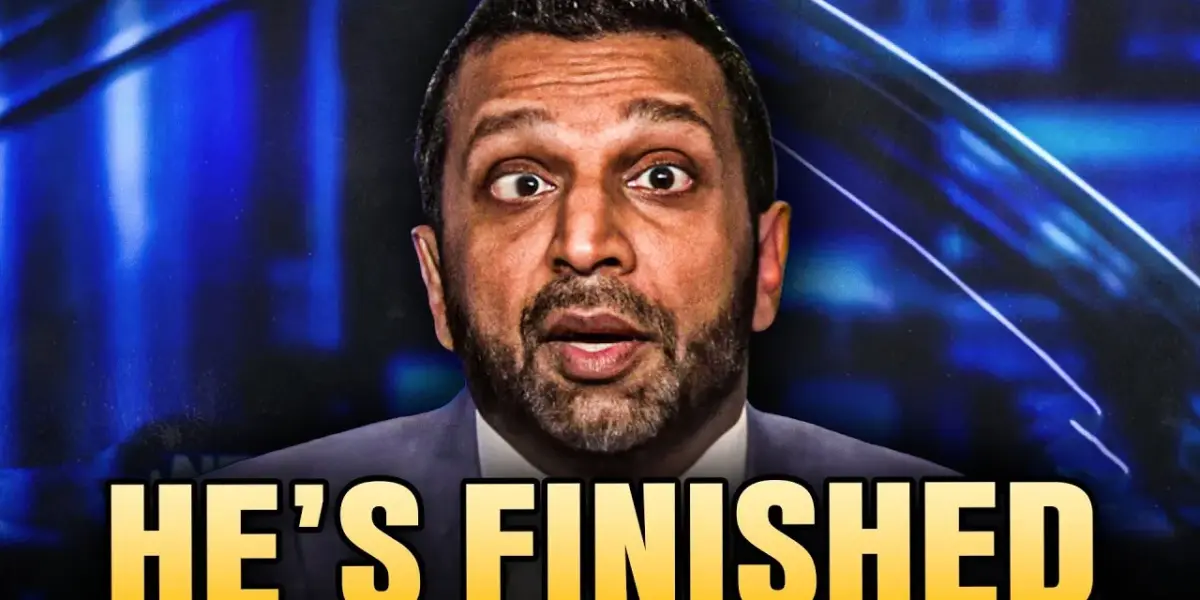
Kash Patel’s Reputation Crumbles Amidst Damning FBI Report
A recent article in The Atlantic has painted a stark picture of Kash Patel, detailing alleged failures both in his professional life and as a person. The report, based on interviews with numerous individuals within the FBI, suggests a pattern of concerning behavior that questions his suitability for public service.
The article claims that Patel’s alleged struggles with alcohol have led to embarrassing and potentially dangerous situations. One incident, described as an “alleged” drunken escapade, saw Patel reportedly lock himself in an FBI office. This led to a serious concern among staff that he might have died from alcohol poisoning, prompting them to consider using SWAT-like equipment to force entry.
Another incident highlighted involved Patel allegedly forgetting his email password, triggering a severe panic. He reportedly believed he had been fired, leading to frantic calls to colleagues confirming his supposed termination. The IT department eventually clarified that he was simply entering the wrong login details, a mistake that caused significant distress and disruption.
Damage Control Backfires
In an attempt to address the negative press, Kash Patel appeared on Maria Bartiromo’s show on Fox News. Instead of calming the situation, his appearance seemed to amplify the controversy. Patel declared his intention to fight back against what he called “fake news” and threatened legal action, stating, “We have to fight back against the fake news.
Come at me. Bring it on. I’ll see you in court.”
Patel also attempted to correct Bartiromo on an idiom, stating, “If you want to bang your drum, not ring your drum. It’s ring your bell or bang your drums.” He expressed personal offense as a former percussionist, calling Bartiromo an “idiot.” This moment, intended to show strength, instead drew ridicule for its pedantry and personal attack.
He asserted that such attacks were indirect assaults on the FBI personnel he claimed to have “cleaned up.” Patel insisted that these actions would not stop him from fulfilling his mission to “safeguard America,” a mission he attributes to President Trump.
Questioning Patel’s Safeguarding Claims
The article questions the substance of Patel’s claims about safeguarding America. It points to recent “massive atrocities” and asks whom Patel is protecting and from whom. The author suggests that the only time America was safer under his alleged watch was when he was incapacitated in a locked office, unable to cause harm.
The piece criticizes the frequent threat of lawsuits from Patel and his allies, particularly in defamation cases. It argues that such legal challenges are often baseless because they lack evidence of actual financial loss. To win a defamation suit, one must prove not only malicious intent but also quantifiable damages, such as lost income or earning potential.
The author suggests that Patel’s threat to sue The Atlantic is unlikely to succeed. If he were to file a suit, The Atlantic could reveal their sources in court. This could lead to a countersuit where Patel might be forced to pay The Atlantic’s legal fees, a potentially costly outcome for him.
A Call for Accountability
The author expresses a willingness to mock individuals who are perceived as “absolute trash human beings” and who allegedly cause misery to others. The piece suggests that figures like Patel, who are accused of ruining lives and taking pleasure in it, deserve public derision rather than sympathy.
The article concludes by encouraging open criticism and mockery of such figures, rejecting the idea that certain individuals are beyond reproach. It asserts that if someone has a history of harming others, it is acceptable to criticize them, even through humor.
Why This Matters
This analysis of Kash Patel’s alleged conduct raises important questions about accountability and the standards expected of individuals in positions of public trust. The accusations, if true, suggest a pattern of behavior that is not only unprofessional but also potentially harmful to the integrity of institutions like the FBI.
The reliance on anonymous sources within the FBI, as reported by The Atlantic, highlights a potential internal dissatisfaction with leadership and practices. This internal dissent can be a sign of underlying issues that need addressing to ensure the effective functioning of government agencies.
The discussion around defamation lawsuits touches upon the broader debate about free speech, the press, and the legal recourse available to public figures. The article’s argument that lawsuits require demonstrable financial loss highlights the legal complexities involved and suggests that threats of litigation may sometimes be used to silence criticism rather than to seek genuine justice.
Implications and Future Outlook
The controversy surrounding Kash Patel could have implications for his future career and influence. Repeated public scrutiny and damaging allegations can erode public trust and hinder professional advancement. The legal threats, if not followed through or if unsuccessful, could further weaken his standing.
This situation also reflects a broader trend of heightened scrutiny on public figures, especially those associated with controversial political movements. As more information becomes publicly accessible through investigative journalism and social media, individuals in the public eye face increasing pressure to maintain a high standard of conduct.
The future outlook for Kash Patel will likely depend on how these allegations are addressed, whether legally or through further public discourse. The outcome of any potential legal battles and the continued reporting on his alleged actions will shape public perception and his ability to hold future public roles.
Historical Context
The FBI has a long history of navigating internal and external scrutiny. From J.
Edgar Hoover’s era of extensive surveillance and controversial tactics to more recent challenges regarding political influence and data handling, the agency has often been at the center of public debate. The current allegations against Patel fit into a pattern where individuals associated with powerful political figures face intense examination of their professional and personal lives.
The use of anonymous sources in journalism, particularly concerning government agencies, is a long-standing practice. While it can bring to light important information that might otherwise remain hidden, it also raises questions about verification and potential bias. The Atlantic’s report, drawing from “countless people inside the FBI,” represents a significant effort to gather internal perspectives.
The debate over lawsuits and “fake news” is also not new. Throughout history, those in power have often sought to control narratives and discredit critical reporting. The current digital age has amplified these dynamics, making the spread of information, and misinformation, faster and more widespread than ever before.
The specific allegations against Patel, such as issues with alcohol and password mishaps, while seemingly minor in isolation, become significant when presented as part of a larger pattern of alleged professional failing. They tap into public concerns about competence and judgment in leadership roles.
The next steps for Kash Patel could involve filing a lawsuit as threatened, issuing further public statements, or facing continued investigative reporting. The public will be watching to see how these allegations are resolved.
Source: Kash Patel Is Going Down In Flames (YouTube)

Related Articles

Ex-FBI Official Calls Director a ‘Dumpster Fire’
Former FBI officials are criticizing current director Kash Patel, labeling him a "dumpster fire" amid allegations of personal misconduct and politically motivated actions. Reports detail claims of excessive alcohol consumption and unconventional public announcements regarding investigations. These issues have reportedly eroded trust within the FBI and the broader law enforcement community.

FBI Chief Sues Publisher Over Drunkenness Claims
FBI Director Cash Patel is suing The Atlantic for $250 million, denying claims of alcoholism and job neglect. The magazine's report cited numerous sources detailing alleged drinking issues affecting his work. Patel calls the story false and damaging, while critics see the lawsuit as a tactic to intimidate the press.

Kash Patel Sues The Atlantic Over Drinking Report
FBI Director Kash Patel has sued The Atlantic magazine for defamation over a report alleging excessive drinking and poor leadership. The Atlantic stands by its reporting, while legal experts suggest the lawsuit could lead to the public release of internal FBI concerns and communications through the discovery process.