Robbins’ Evidence Exposes Downing Street Pressure on Mandelson Vetting
Sir Olly Robbins, former top foreign office official, testified that Downing Street exerted significant pressure for the swift appointment of Lord Mandelson as US ambassador. Robbins detailed near-daily calls from Number 10 and resistance to the initial vetting process. He also revealed pressure to place another official, Matthew Doyle, in a diplomatic role.

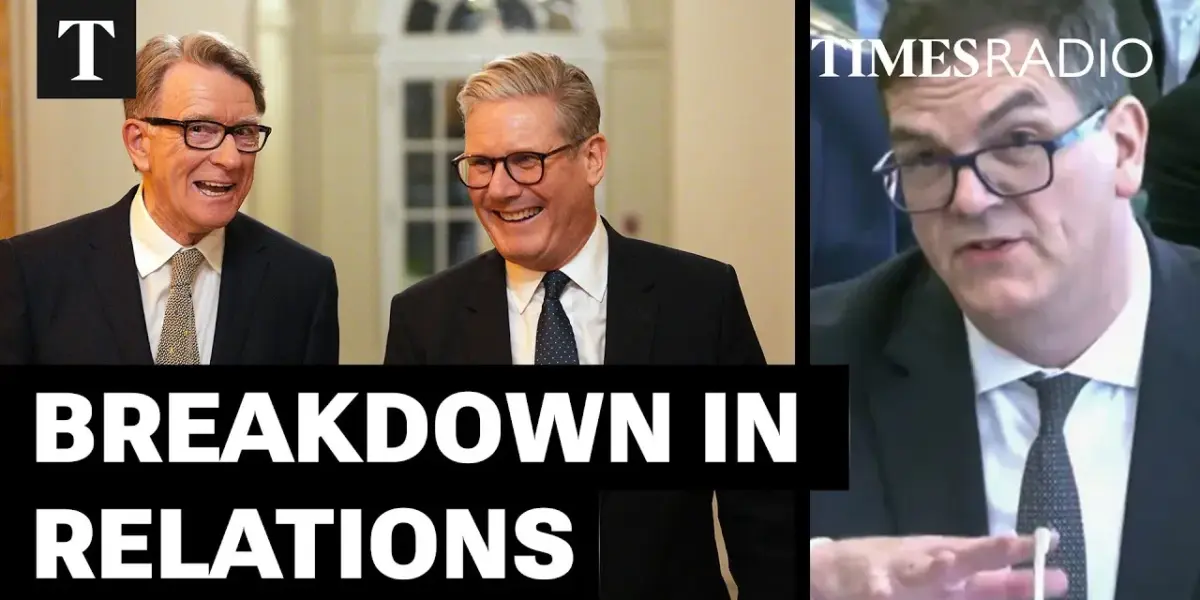
Robbins Details Downing Street Pressure in Mandelson Vetting Row
Former top foreign office official Sir Olly Robbins has given evidence to MPs regarding the controversial vetting process for Lord Peter Mandelson’s appointment as US ambassador. Robbins, who was dismissed from his role last Thursday, stated that he felt pressured by Number 10 with near-daily phone calls to expedite the appointment.
He also described an atmosphere where initial security vetting for Mandelson was not desired by Downing Street. The foreign office had to insist that the vetting process take place.
Vetting Process and Downing Street’s Role
Robbins explained that the security vetting process for Lord Mandelson involved the Cabinet Office, which then produced a report. This report detailed what Mandelson had shared and what officials found.
At the end of the report, officials would either give the green light, suggest managing certain risks, or recommend against appointing the person. However, in the foreign office, this recommendation was not the final decision.
The foreign office security team would then review the report to see if any identified issues could be managed. Robbins indicated that some concerns raised in the vetting report were not related to Mandelson’s links with Jeffrey Epstein.
Instead, they may have involved other foreign affairs matters, specifically concerning Russia and China. The security team concluded these circumstances could be managed, even though the UK Security Vetting (UKSV) body expressed some caution.
Robbins Claims He Was Not Told to Withhold Information
Despite the recommendation against clearance, Robbins stated that the foreign office could proceed, suggesting that political pressures influenced this decision. He maintained that the foreign office did not bow to this pressure during the process itself. However, questions remain about whether the UKSV’s caution should have been taken more seriously by those reviewing the report.
Robbins himself did not read the full vetting document. He was informed of its findings, which is why he states he did not inform the Prime Minister directly about the vetting outcome.
This detail is significant because Number 10, and the Prime Minister, were not told about the vetting results by the foreign office, even when they inquired. The document was created within the Cabinet Office, adjacent to the foreign office, but seemingly not seen by key individuals.
Pressure to Place Matthew Doyle in Diplomatic Role
Further complicating the situation, Robbins revealed that he was also pressured to find a diplomatic job for Matthew Doyle. Doyle, formerly Downing Street’s Director of Communications, had reportedly stated he was satisfied with Mandelson’s responses in the due diligence report. Robbins resisted this pressure, refusing to place Doyle in a diplomatic role without informing the foreign secretary.
Robbins, a civil servant with 25 years of experience through politically tense periods like Brexit, felt that Number 10 was overstepping its bounds. He believed the established Whitehall process needed to be followed.
His predecessor, Philip Barton, had also noted an impression that a new Number 10 was trying to impose itself on the foreign office inappropriately. Robbins seemed to inherit this atmosphere and continued to feel that Number 10 was out of line.
Key Takeaways from Robbins’ Testimony
Several points from Robbins’ testimony are damaging to the government’s position. First, Number 10, through the Cabinet Office, initially did not want vetting to occur, requiring the foreign office to fight for it.
Second, there were constant phone calls from Number 10’s private office to the foreign office, creating an atmosphere of pressure to finalize the appointment quickly. Robbins felt this pressure came from political figures behind the Number 10 operation, not civil servants.
Third, Robbins suggested there would have been a significant backlash had he vetoed Mandelson at such a late stage in the process. Finally, the pressure to find a job for Matthew Doyle, which Robbins resisted, adds another layer to the allegations of improper influence. The core dispute remains whether the vetting recommendation could have, or should have, been shared with the Prime Minister.
What’s Next in the Vetting Controversy
The evidence presented by Sir Olly Robbins has shed new light on the internal workings and pressures surrounding Lord Mandelson’s vetting process. The parliamentary committee will likely continue its investigation, seeking to clarify the extent of political interference and the adherence to official procedures. Further testimony or documents may emerge as the scrutiny of this high-profile appointment row intensifies in the coming weeks.
Source: Everything Key Detail From Olly Robbins' Evidence On Peter Mandelson Vetting (YouTube)

Related Articles
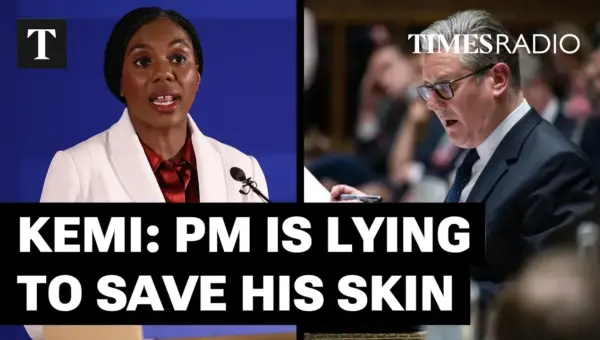
Badenoch Accuses Starmer of Lying to Save His Job
Kemi Badenoch has accused Prime Minister Keir Starmer of lying to Parliament to protect his position, calling the situation a matter of "dishonesty or gross incompetence." The controversy centers on the appointment of Peter Mandelson as ambassador to the US and questions about Starmer's awareness of Mandelson's past connections. Badenoch argues the situation raises national security concerns and calls for a general election.

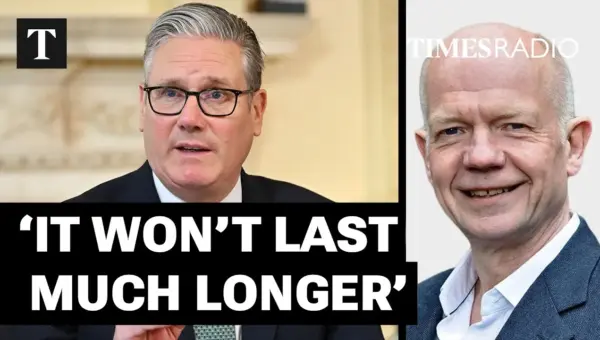
Starmer’s Leadership Crisis Deepens Amid Diplomatic Blunder
Prime Minister Keir Starmer is facing severe criticism following the controversial appointment of Peter Mandelson as ambassador to the United States. Critics, including former Conservative leader William Hague and ex-Scottish Labour leader Kazia Dugdale, argue that the decision reflects poor judgment and a failure to take responsibility, potentially undermining Starmer's integrity. The scandal has reportedly left the civil service in a "defensive crouch," hindering effective governance.

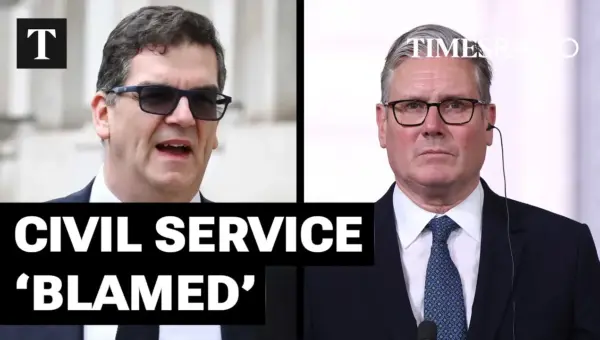
Mandelson Vetting Scandal: Civil Service Faces Scrutiny
Senior civil servant Sir Olly Robbins faces scrutiny over the vetting process for Peter Mandelson's ambassadorial appointment to Washington. Reports suggest the vetting agency deemed the appointment 'borderline,' raising questions about potential political interference. The controversy has created friction between the government and the civil service.