Ex-Official: Trump Risks War Crimes with Iran Threats
A former U.S. National Security official warns President Trump's threats against Iran risk war crimes and show a misunderstanding of the nation's government and people. The expert highlights the complexities of ongoing negotiations and the escalating situation around the Strait of Hormuz. A sustainable resolution is deemed necessary to avoid further economic fallout and potential conflict.

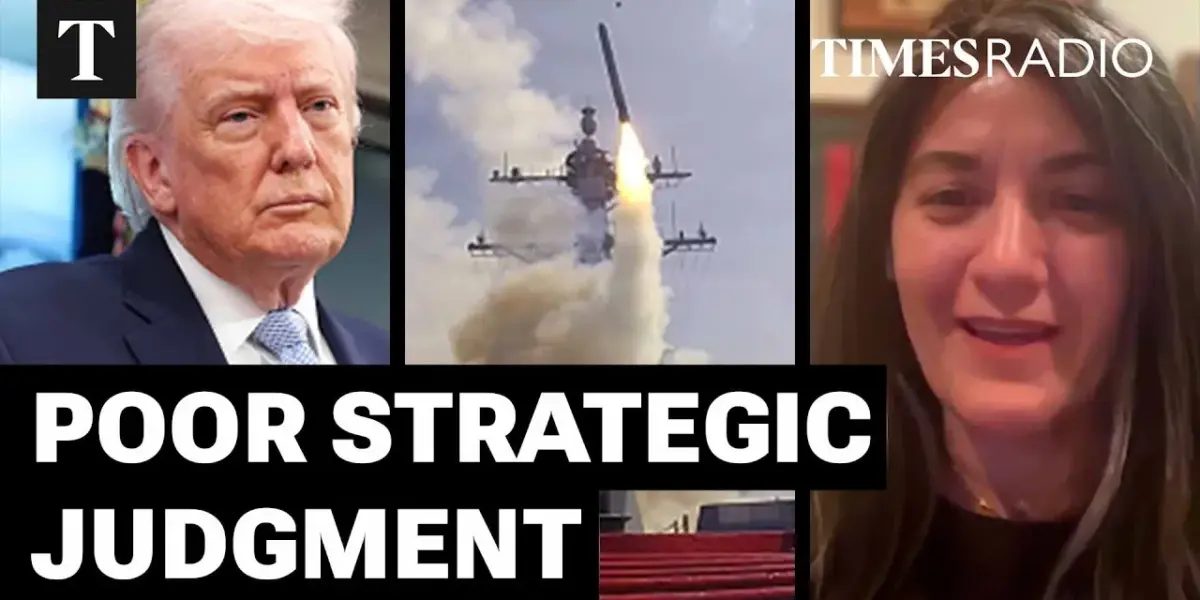
Ex-Official: Trump Risks War Crimes with Iran Threats
A former U.S. National Security official has warned that President Trump’s rhetoric regarding Iran could lead to war crimes and shows a deep misunderstanding of the Iranian government and its people. The official, speaking on condition of anonymity, expressed concern over the constant shifting of deadlines and the use of communication as a tool to obscure actual progress in negotiations. This comes amid a complex situation involving mediation efforts, potential talks, and military actions, including the blockage of the Strait of Hormuz.
Navigating the Fog of Diplomacy
The current situation with Iran is described as difficult to understand due to what is called a “fog of communication.” Both the U.S. and Iran are using public statements as a way to gain an advantage, making it hard for outsiders to know what is truly happening with the negotiations. A key deadline for a ceasefire was approaching, with mediation efforts underway to bring both sides back to the table in Islamabad. There was also talk of high-level U.S. officials potentially traveling to Pakistan, indicating a willingness to resume in-person discussions.
Strait of Hormuz: A New Flashpoint
A significant development is the situation in the Strait of Hormuz. While Iran initially threatened to close the strait, it did not physically block or mine it. However, this threat alone was enough to cause major shipping insurers to stop covering vessels, leading to a halt in tanker traffic.
This issue, which did not exist at the start of the conflict, has now become a primary focus. The U.S. has also become involved, creating a complex dynamic where opening the strait has become a major goal, even though closing it was an initial consequence of the conflict.
Rhetoric and Potential War Crimes
The official criticized President Trump’s social media posts and threats, such as targeting civilian infrastructure like desalination plants. The expert pointed out that such statements, if believed to be possible actions, could put the U.S. in a position of committing war crimes, as the nation is a party to the Geneva Conventions. This kind of talk also suggests a lack of understanding of the Iranian regime’s strategic thinking, as targeting civilian resources would not necessarily weaken the government.
Misunderstanding the Iranian People
The official argued that Trump’s approach misunderstands the Iranian people themselves. “Iranians are deeply nationalist,” the expert stated. While they may disagree with their government, they would not support the idea of their civilization being destroyed.
This nationalist sentiment means that threats of widespread destruction could backfire, working against the stated goal of supporting the Iranian people. The official believes this approach contradicts President Trump’s past declarations of wanting to help ordinary Iranians.
Uncertain Future and Economic Fallout
Looking ahead, the situation is far from resolved. The official expressed doubt that simply maintaining the status quo would be a viable option. The economic impacts of the recent events are expected to be significant and long-lasting, even if the Strait of Hormuz were to reopen soon.
This economic pressure could create political problems for President Trump, especially with midterm elections approaching. Regional partners also remain concerned about the potential for Iran to disrupt shipping routes at will.
A Sustainable Resolution Needed
A sustainable solution for the Strait of Hormuz is seen as necessary for both sides to claim victory. However, this would not solve underlying issues like Iran’s nuclear program, its missile development, or the internal human rights situation.
The current situation, where direct talks between the U.S. and Iran are uncertain and the structure of the Iranian negotiating team is unclear, makes a clear resolution difficult. Yet, the expert believes that both sides are looking for a way to avoid further escalation, especially with a Wednesday deadline looming.
What’s Next?
Despite the challenges, there is a possibility that Iranian officials will attend talks in Islamabad if U.S. representatives are present, partly due to pressure from countries like Pakistan and China. While no one expects all problems to be solved in one meeting, the desire to avoid further conflict appears to be mutual. The coming days will be crucial in determining whether diplomatic efforts can prevent a wider escalation.
Source: Trump Misunderstands The Strategic Stakes With Iran | Former US National Security Official (YouTube)

Related Articles

US Forces Ready as Iran Ceasefire Deadline Looms
U.S. military forces are on high alert as a critical ceasefire deadline with Iran approaches. General Joseph Votel stressed the importance of maintaining military readiness and flexibility to support diplomatic efforts. Tensions remain high due to Iran's stance and disruptions in the Strait of Hormuz, impacting global oil supplies.


Iran Ceasefire Extended Amid Peace Talks, SPLC Faces Fraud Charges
President Donald Trump announced an extension of the U.S.-Iran ceasefire as peace talks continue, with Pakistan mediating the negotiations. In other news, the Southern Poverty Law Center faces federal fraud charges, including wire fraud and conspiracy to commit money laundering. The President also honored over 100 collegiate champions at the White House.

US-Iran Peace Talks Face Doubt as Ceasefire Deadline Nears
As a critical ceasefire deadline looms, the US and Iran are exchanging conflicting signals, casting doubt on upcoming peace talks. While an Iranian delegation was expected in Islamabad, rhetoric from both sides has intensified, with President Trump suggesting a lack of a deal by tomorrow night could lead to renewed conflict. Concurrently, Israel and Lebanon are holding crucial talks to extend their own ceasefire, a development seen as potentially influencing broader regional stability.