PM Faces ‘Boris Johnson Moment’ Over Mandelson Vetting Scandal
Prime Minister Keir Starmer is under intense pressure following revelations that Peter Mandelson, appointed US ambassador, failed security vetting. Questions are being raised about what Starmer knew and when, with the situation drawing comparisons to the Boris Johnson era. The departure of a senior civil servant has only fueled skepticism over the government's defense.

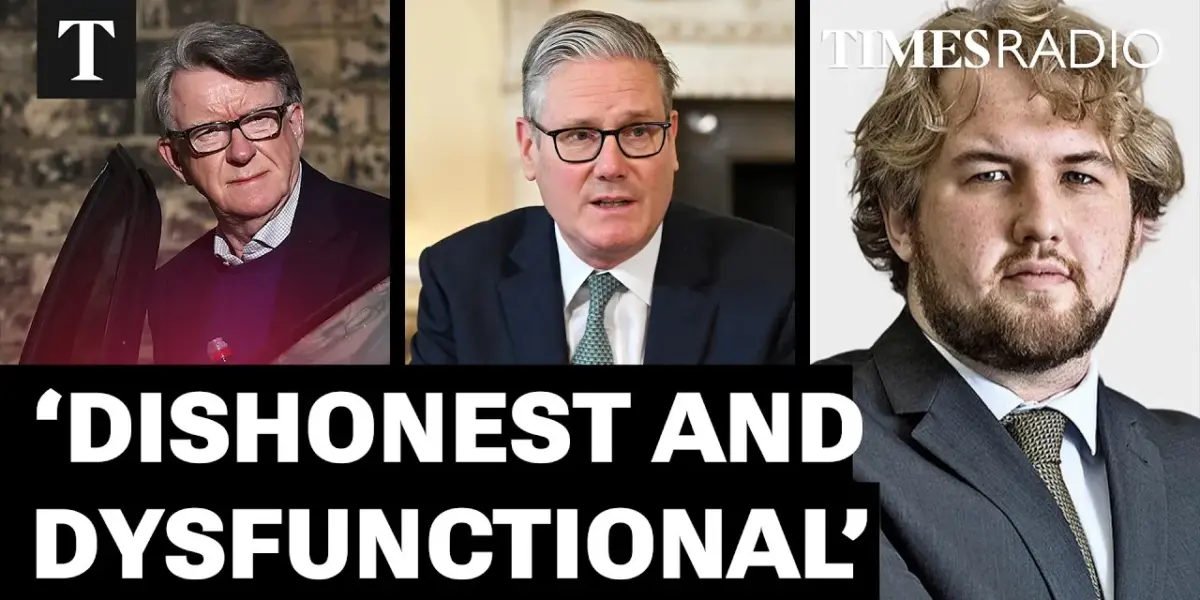
Prime Minister Under Fire Amid Ambassador Vetting Controversy
Prime Minister Keir Starmer is facing intense scrutiny over the appointment of Peter Mandelson as US ambassador, a situation drawing comparisons to scandals that plagued former leaders. Reports indicate that Mandelson failed government security vetting but was still appointed to the prestigious role. This has ignited a political firestorm, with opposition parties and even some within his own ranks demanding answers.
Questions Swirl Around Prime Minister’s Knowledge
The central question dominating political discourse is what Prime Minister Starmer knew about Peter Mandelson’s security vetting failures and when he knew it. For months, the government insisted that proper procedures were followed in appointing Mandelson. However, recent revelations suggest he was aware of the security concerns before the appointment was finalized.
According to the ministerial code, knowingly misleading Parliament is a serious offense that typically requires a resignation. Downing Street maintains that the Prime Minister was unaware of the vetting issues until late Tuesday evening. This defense, however, has been met with widespread skepticism, fueling demands for greater transparency.
Senior Civil Servant’s Departure Raises Further Doubts
Adding another layer to the unfolding crisis, Sir Oliver Robbins, the top civil servant at the Foreign Office, has reportedly lost his job over the affair. His departure, described by some as being “chucked under the bus,” has done little to quell the political storm. It raises further questions about accountability and the chain of command within government.
Cross-party condemnation has been swift and strong. Conservatives, Liberal Democrats, the Green Party, and Reform UK have all called for the Prime Minister to resign. This political turmoil comes at a particularly sensitive time, with local and national elections scheduled in less than three weeks.
Skepticism Over Government’s Defense
Patrick Maguire, chief political commentator for The Times, expressed deep skepticism regarding the government’s narrative. He suggested that the situation points to either extreme dysfunction within the British state or dishonesty from individuals involved. “The British state is either implausibly dysfunctional or someone somewhere is being dishonest,” Maguire stated.
Maguire highlighted the unusual circumstances surrounding Sir Oliver Robbins’s exit. He questioned whether a senior civil servant would unilaterally overrule a security vetting decision, potentially jeopardizing international relations.
“You’re essentially saying to Britain’s allies… We don’t care that this person is a security risk,” he explained, highlighting the gravity of such an action.
Echoes of the Boris Johnson Era
The current scandal has drawn frequent comparisons to the controversies surrounding former Prime Minister Boris Johnson, particularly regarding allegations of misleading Parliament. Maguire noted the potential for a protracted and tedious process to uncover the truth, similar to the lengthy inquiries faced by Johnson.
“I can very much see… This could be resolved today politically or we could be stuck in a very tedious Boris Johnsonesque process for quite a while trying to get the answers to this question,” Maguire commented. He added that those within Number 10 are reportedly confident there is no “smoking gun” that would lead to a Johnson-style downfall.
The Distinction Between Misleading and Lying
A key point of contention is whether the Prime Minister knowingly misled Parliament. Maguire clarified that while the Prime Minister clearly misled the House and the public on several occasions, the critical issue is intent.
He characterized the Prime Minister’s repeated claims of ignorance – such as “I’m angry nobody told me about this” or “I had no idea” – as a consistent feature of his leadership. “Why is he always furious that nobody told him? Because it’s his job to ask,” Maguire stated, suggesting an abdication of leadership responsibility.
Timeline and Pressure
The timeline of events raises further questions. Peter Mandelson was announced as the US ambassador nominee at the end of December, yet his security vetting was still ongoing and failing in late January. This suggests a significant delay and potential pressure to finalize the appointment despite the security concerns.
Maguire pointed out that the Prime Minister continued to answer questions in the House of Commons in February, unaware or unwilling to acknowledge the vetting issues. He also noted that even after learning of the vetting failures on Tuesday, the Prime Minister did not correct the record during Prime Minister’s Questions on Wednesday, a missed opportunity to be transparent.
Looking Ahead
The coming days will be crucial as the government faces mounting pressure to provide a clear and credible account of events. The public and political opponents will be watching closely to see if the Prime Minister can weather this storm or if the Mandelson vetting scandal will indeed become his defining moment.
Source: Mandelson Vetting Scandal Is Keir Starmer’s ‘Boris Johnson’ Moment | Patrick Maguire (YouTube)

Related Articles
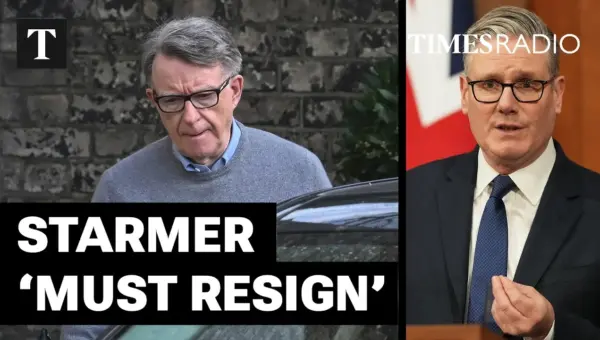
UK Officials Overruled Vetting for Ambassador Role
Reports reveal Peter Mandelson's appointment as British ambassador to Washington was pushed through despite being denied security clearance. Foreign Office officials overruled the vetting decision, leading to accusations that the Prime Minister misled Parliament and raising questions about accountability.
UK Leader Challenges Trump on Iran War Decision
British Chancellor Rachel Reeves has criticized the US decision to end talks with Iran and enter into conflict, calling it a "folly" without a clear exit plan. Experts suggest countries should "call Trump's bluff," citing European examples of asserting independence amid global tensions and potential economic fallout.

UK Government Plans for CO2 Shortages Spark Food Security Fears
The UK government is reportedly developing contingency plans for potential carbon dioxide (CO2) shortages, raising concerns about food security. These preparations, codenamed 'Exercise Turnstone,' echo strategies used during Brexit and highlight vulnerabilities in national supply chains. Meanwhile, the Labor Party is adopting a tougher stance on global conflicts and figures like Donald Trump, though its effectiveness in boosting popularity remains uncertain.