Navy Commander Exposes Trump’s Blockade Plan as Fatal Flaw
A former Navy planner criticizes Trump's naval blockade of Iran as an illegal act of war. The strategy lacks authorization, undermines ceasefires, and risks global economic shock. It also strains U.S. military resources and offers no clear exit strategy.

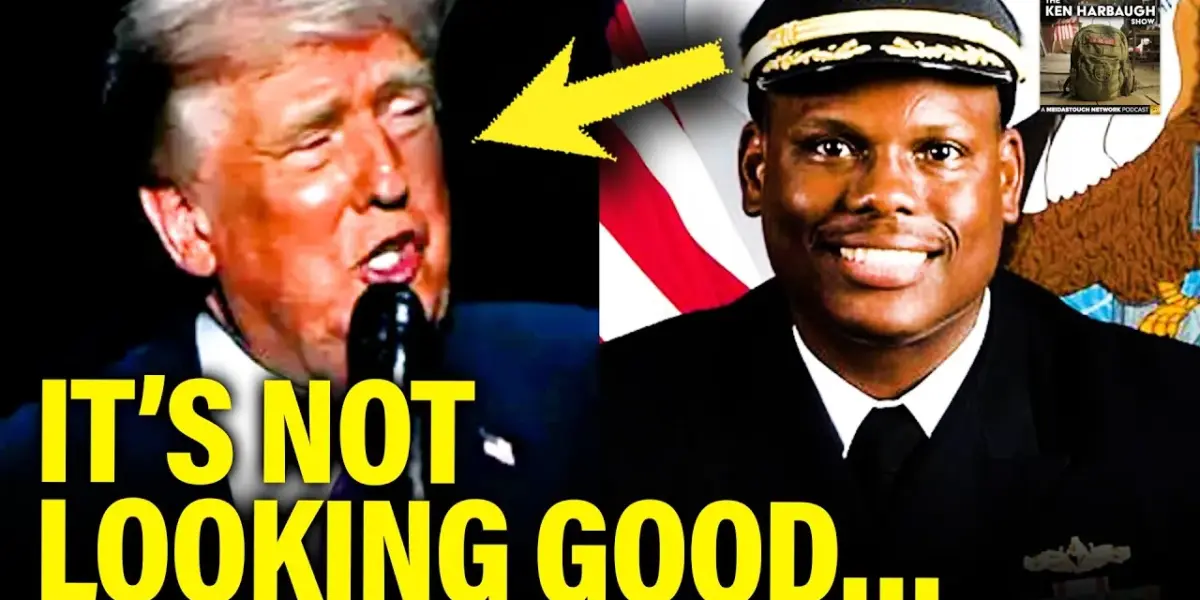
Navy Commander Exposes Trump’s Blockade Plan as Fatal Flaw
A former Navy mission planner has raised serious concerns about President Trump’s naval blockade strategy in the Persian Gulf. The planner, who was involved in the A-10 rescue mission in Iran, highlighted the immense risks and questionable legality of the blockade. This strategy, he argues, is not only an act of war but also lacks necessary authorization and creates a dangerous cycle of escalation.
The planner, who identifies with the call sign “Sandy One,” spoke about the mission’s motto, referencing Ezekiel 25:17. This passage speaks of “great vengeance and furious anger” against those who threaten harm. While dramatic, this quote from a military planner overseeing a critical operation raises questions about the mindset driving such aggressive actions.
Blockade: An Act of War Without Consent
A naval blockade is a serious matter with significant legal and historical weight. Experts and legal scholars agree that a blockade is an act of war.
The planner points out that President Trump imposed this blockade without any authorization from Congress, the United Nations, or NATO. This lack of official backing is a major red flag.
Historically, such actions are carefully considered and debated due to their potential to ignite wider conflicts. The absence of international or domestic consensus suggests a unilateral approach that bypasses established diplomatic and legal channels.
Ceasefires Shredded by Aggression
The blockade directly undermines any existing ceasefires, including the one supposedly in place between the United States and Iran. The planner explained that a blockade is inherently aggressive, not defensive. It is difficult, if not impossible, to negotiate peace while simultaneously engaging in an act of war.
This creates a contradictory situation where diplomatic talks are attempted while military pressure is intensified. Such mixed signals can confuse adversaries and allies alike, making genuine de-escalation unlikely.
Global Economic Shockwaves Loom
The continued blockade threatens to cause a severe global economic shock, particularly concerning oil supplies. Many Asian nations, including South Korea, Japan, and China, are already facing oil shortages. This impacts daily life, leading to rationing and difficulties accessing essential resources like gas and hot showers.
While the United States currently enjoys some energy independence, global markets are interconnected. Disruptions in the Middle East, a major oil-producing region, inevitably affect everyone. The longer ships are halted or rerouted, the worse the economic fallout will become.
Diplomatic Isolation and Shifting Power
Iran views the blockade as its ultimate bargaining chip. Meanwhile, the United States faces increasing diplomatic isolation as other nations grow frustrated with its actions. Countries are now forging bilateral deals with China and Iran to secure their energy needs, bypassing American influence.
This shift in power dynamics shows a growing distrust of U.S. policy. The world is looking for stability, and unilateral actions like the blockade are not achieving that goal. Instead, they are pushing nations towards alternative partnerships.
Operational Challenges and Lack of an Exit Strategy
The physical execution of the blockade is also problematic. The vast area needing coverage requires a massive number of ships to maintain a continuous presence without gaps. The current spacing leaves significant vulnerabilities and makes intercepting large oil tankers extremely difficult.
More critically, there appears to be no clear exit strategy or “off-ramp” from the blockade. This lack of a plan to de-escalate pressure suggests a commitment to further military action rather than diplomatic resolution. It creates a dangerous situation where the escalation ladder only gets longer.
Strain on Service Members and Unclear Objectives
The burden of extended deployments falls heavily on U.S. service members. The USS Gerald R.
Ford aircraft carrier recently set a record for a nearly 300-day deployment, facing numerous challenges and uncertain return dates. This mental and physical strain is significant, especially when the mission’s purpose seems unclear.
The planner argues that the current strategy is neither organized nor strategic. The belief that the U.S. has already “won” and is simply waiting for Iran to negotiate seems disconnected from the reality on the ground. This perceived victory lacks concrete evidence of success.
A Decision Point for Escalation
President Trump faces a critical decision: either concede some ground to restore normalcy or double down on military action, hoping for a surrender that may never come. The movement of forces and increased military presence in the Middle East suggest a plan for further dramatic action.
This situation demands careful consideration of the consequences. The blockade, intended as a pressure tactic, risks igniting a conflict with far-reaching and devastating effects. The lack of a clear path to de-escalation is a cause for significant concern for global stability.
Why This Matters
The analysis from a seasoned Navy planner reveals that Trump’s blockade strategy is far from a simple show of force. It’s presented as a legally dubious act of war that undermines diplomacy, strains international relations, and endangers global economic stability. The potential for miscalculation and unintended escalation is immense, impacting not only geopolitical dynamics but also the daily lives of citizens worldwide through economic repercussions and the well-being of military personnel.
Implications and Future Outlook
The implications of this blockade are profound. It signals a move towards unilateral foreign policy, potentially alienating allies and emboldening adversaries.
The economic consequences could be felt globally, impacting energy prices and trade routes for years to come. The future outlook suggests a continued period of heightened tension in the Middle East, with a significant risk of miscalculation leading to wider conflict.
Historical Context
Naval blockades have historically been potent tools of warfare, often preceding or accompanying larger military engagements. Their effectiveness is tied to international law and the consent, or at least the tacit acceptance, of major global powers. The current situation, marked by a lack of authorization and widespread international concern, deviates from historical norms and raises alarms about the potential for uncontrolled escalation.
Looking Ahead
The coming months will be crucial in determining the trajectory of this policy. Whether diplomatic solutions can be found or if the situation devolves into further military action remains to be seen. The critical factor will be whether leaders choose a path of de-escalation or continue down the road of increased confrontation.
Source: Navy Commander Reveals FATAL FLAW of Trump IRAN Plan (YouTube)

Related Articles

Strait of Hormuz Reopens: Global Oil Prices Drop, But Crisis Lingers
The Strait of Hormuz has reopened, causing oil prices to drop and markets to rally. However, experts caution that a full resolution to the global energy crisis is still distant due to lingering uncertainties, infrastructure damage, and ongoing geopolitical risks. Countries are now focusing on long-term preparedness through diversification and international cooperation.

Trump’s Iran Deal: Promises or Playacting?
President Trump announced a potential deal with Iran regarding the Strait of Hormuz, but conflicting reports from Iran have created confusion. While markets reacted positively, the actual terms and Iran's commitment remain uncertain, echoing past diplomatic challenges.
NZ Spy Flights Near China Spark Beijing’s Outrage
New Zealand's recent surveillance flights near Chinese airspace have triggered a strong protest from Beijing. This incident highlights growing geopolitical tensions in the Indo-Pacific and New Zealand's efforts to bolster its defense capabilities.