Pentagon Plays Congress: UAP Video Blackout Continues
The Pentagon has missed a deadline to release classified UAP videos to Congress, fueling accusations of deliberate obstruction. Key lawmakers are calling this a constitutional crisis, questioning the government's transparency.

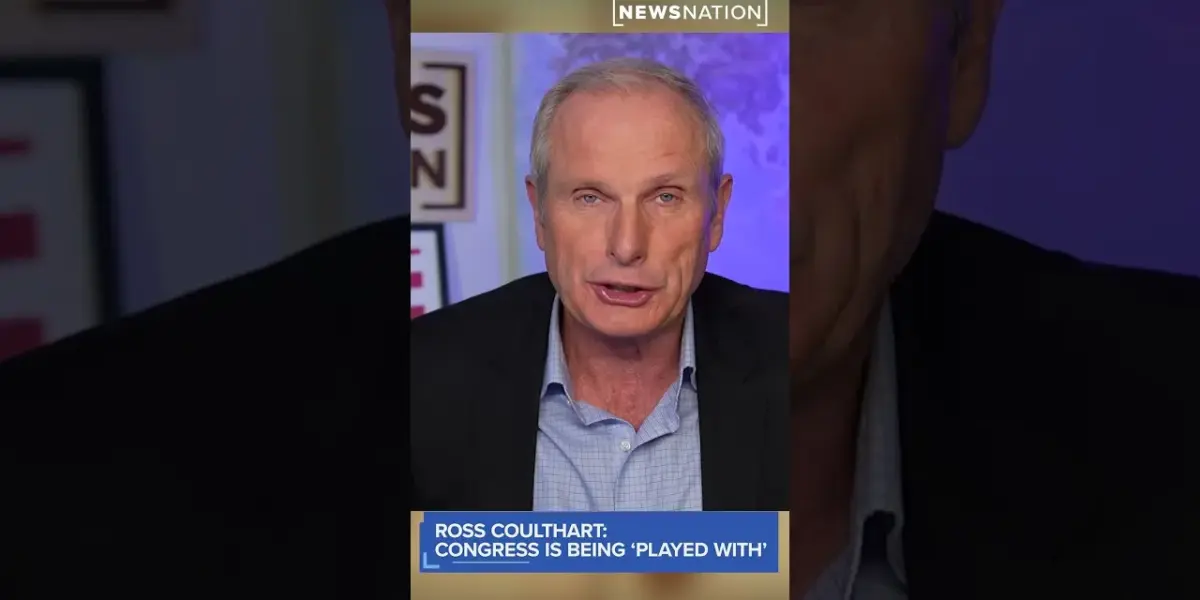
Pentagon Plays Congress: UAP Video Blackout Continues
Congress is demanding answers, but the Pentagon is stonewalling. Representative Anna Paulina Luna requested classified UAP (Unidentified Aerial Phenomena) videos from the Pentagon back in March.
The deadline for this release was April 14th, but the Pentagon has failed to deliver. This delay is not just a simple oversight; it suggests a deeper issue of mistrust and deliberate obstruction.
Luna herself has spoken out, suggesting that someone within the Pentagon is intentionally hiding information. Rumors suggest the Pentagon might offer a briefing about the videos instead of releasing the actual footage.
This move would allow them to control the narrative without showing what they are trying to hide. It makes you wonder when Congress will finally use its power to get the truth.
A Constitutional Crisis in the Making?
The Pentagon’s refusal to comply with congressional requests raises serious concerns. It’s a matter of how much disrespect a government department can show to the people’s elected representatives.
This isn’t just about UAP videos; it’s about the balance of power and accountability within our government. When a department ignores demands from Congress, it weakens the very foundations of our democratic system.
Only a few members of Congress, like Representatives Luna, Tim Burchett, and Rep. Moskowitz, are pushing hard for transparency on UAP. They are part of a special group called the UAP caucus, which tries to bring attention to this issue.
However, many other lawmakers seem uninterested, missing the gravity of the situation. They fail to see that the Defense Department’s defiance creates a significant constitutional crisis.
Historical Context: The Long Road to Transparency
The government’s handling of UAP information has a long history of secrecy. For decades, reports of strange objects in the sky were often dismissed or explained away.
This led to widespread public distrust and countless theories about what the government might be hiding. Now, with more officials acknowledging the reality of UAP, the public expects greater openness.
Past government projects, like Project Blue Book, aimed to investigate UAP sightings. However, these efforts were often criticized for lacking genuine scientific rigor and for being designed to reassure the public rather than uncover the truth. The current situation echoes these historical patterns, where official responses seem more about managing public perception than providing full disclosure.
Why This Matters
The failure to release these UAP videos is more than just a bureaucratic snag. It speaks to a potential lack of transparency from a powerful government agency.
If the Pentagon is indeed withholding information, it raises questions about national security and the government’s commitment to honesty with its citizens. The public has a right to know what their government is doing, especially when it involves unexplained phenomena observed in restricted airspace.
This situation highlights a critical need for accountability. Congress has the power to investigate and demand information, and the Pentagon’s apparent resistance undermines this essential check and balance. The UAP issue touches on national security, scientific inquiry, and public trust, making transparency vital for informed decision-making and public confidence.
Implications and Future Outlook
The Pentagon’s current stance could lead to increased friction between the executive branch and Congress. If the Defense Department continues to ignore lawful requests, Congress may be forced to take more drastic measures.
This could include holding hearings, issuing subpoenas, or even cutting funding. Such actions would bring the UAP issue into even sharper public focus.
The UAP caucus and its allies are determined to push forward. Their efforts are crucial in keeping the pressure on.
The public’s growing interest in UAP also plays a role, as it makes it harder for officials to dismiss the topic. Future developments will likely depend on Congress’s willingness to assert its authority and the Pentagon’s response to that pressure.
The next step to watch is how Representative Luna and her colleagues respond to this continued lack of cooperation. Their actions in the coming weeks will determine if Congress can effectively challenge the Pentagon’s resistance and bring more transparency to the UAP issue.
Source: Ross Coulthart: Congress is being ‘played with’ (YouTube)

Related Articles
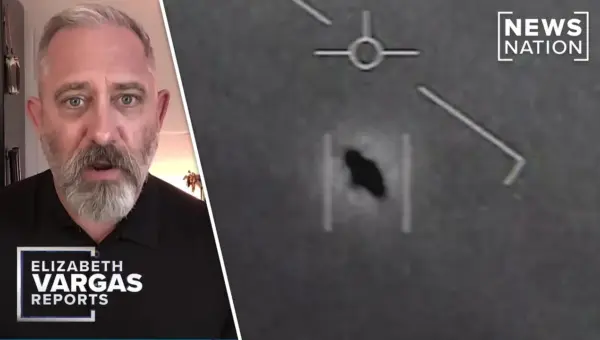
Trump Promises UFO Files: Will He Deliver?
Investigative journalist Jeremy Corbell discusses President Trump's reported order to release classified UFO files. Corbell also touches on concerning disappearances of national security insiders and reveals details from his new documentary, 'Sleeping Dog,' hinting at decades of government UFO studies.
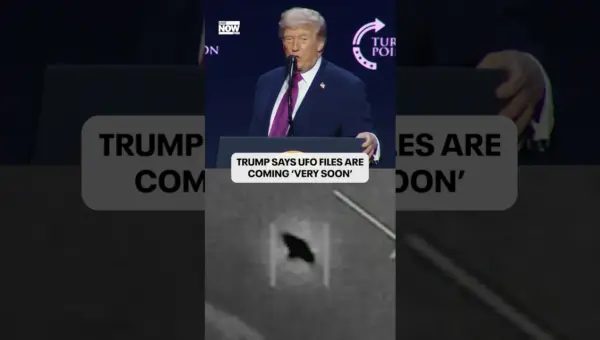
Trump Promises UFO Files Release ‘Very Soon’
Former President Donald Trump announced that government files on UFOs and unexplained aerial phenomena will be released "very, very soon." The review process, initiated during his presidency, has uncovered "very interesting documents." The upcoming disclosures are expected to offer the public a closer look at information previously kept classified.


Pentagon Ignores Congress on UAP Videos, Scientists Vanish
The Pentagon has failed to meet a congressional deadline for releasing UAP videos, sparking accusations of defiance and a "grave constitutional crisis." Meanwhile, unsettling disappearances of scientists and military personnel with sensitive knowledge raise further concerns about transparency and potential cover-ups.