Media Mergers Threaten More Than Jobs; They Threaten Democracy
A congressional hearing examined the proposed Paramount SkyDance and Warner Brothers Discovery merger, highlighting fears that media consolidation threatens not just jobs and creative freedom, but American democracy itself. Witnesses warned of concentrated power, political influence over news, and the erosion of independent journalism.

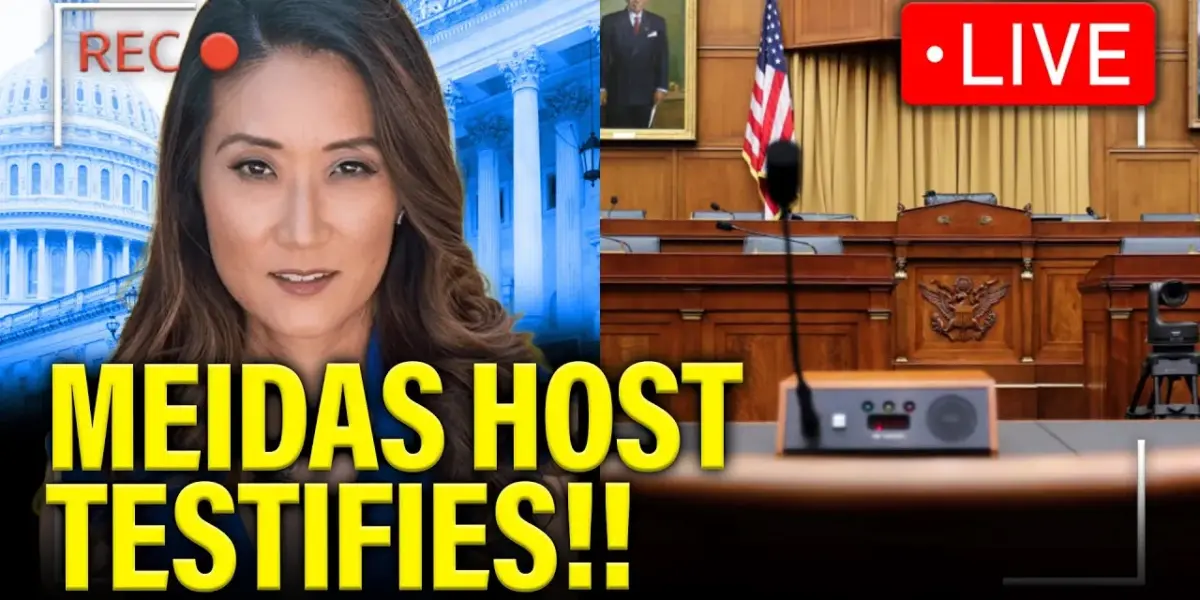
Congress Grapples With Mega Media Merger’s Impact
A recent congressional hearing brought to light urgent concerns about a massive proposed media merger. The deal, combining Paramount SkyDance with Warner Brothers Discovery, would create a single corporate giant controlling a huge portion of American news, entertainment, and storytelling. This isn’t just about business; it’s about who holds power over the stories that shape our culture and our understanding of the world.
Concentration of Power, Not Just Content
The core issue discussed was the concentration of cultural and economic power. When a few companies control so much of what we see and hear, it can limit competition, reduce jobs, and harm creative freedom. The transcript highlighted past mergers where job cuts followed quickly. For example, after a company acquired Paramount, thousands of employees were laid off. This trend suggests that mergers often lead to fewer opportunities for creators and workers, impacting writers, actors, crews, and production staff.
“This is not just about corporate concentration and consolidation. It’s about the concentration and consolidation of cultural power.”
Historical Context: A Pattern of Consolidation
The hearing referenced a history of media consolidation, noting that over 75% of U.S. industries have become more concentrated since the late 1990s. This trend has raised alarms about its effect on consumers, the economy, and democracy itself. The proposed merger is seen as part of a larger pattern where fewer companies control more of the market, mirroring issues seen in industries like pharmaceuticals and farming.
Concerns Over Political Influence and Editorial Independence
Beyond the economic impact, a significant concern is the potential for political influence over news and entertainment. Testimony suggested that such large mergers could lead to companies shaping content to please political powers, rather than serving the public interest. The transcript mentioned allegations of a company promising changes to CNN after a president expressed dissatisfaction with its coverage. This raises questions about whether regulatory approval for such mergers might be influenced by political favors.
The Case of CNN and Editorial Integrity
One specific example discussed was the potential impact on CNN. With the combined entity owning both Paramount and Warner Brothers Discovery, there are fears that editorial decisions, like those at CBS News following a prior acquisition, could be influenced by political considerations. This includes concerns about the suppression of investigative stories and the installation of politically aligned individuals in leadership roles.
Filmmakers and Journalists Speak Out
Witnesses, including Oscar-winning director David Burnstein and independent journalist Katie Fang, shared their experiences and fears. Burnstein spoke about how media consolidation limits the places where important stories can be told, especially for documentary filmmakers. He noted that films, even award-winners, struggle to find distribution in the U.S. due to potential political backlash or commercial ties of distributors.
Fang, a former legacy media journalist, detailed the chilling effects of consolidation on editorial independence. She explained that when newsrooms shrink and executives fear antagonizing business partners or political figures, important stories are often softened or dropped entirely. This pressure can lead journalists to self-censor, questioning whether they can report critically on powerful entities or politicians due to their company’s business interests.
“Democracy cannot survive if powerful people get to decide which facts are allowed to exist and what version of the truth they want to pedal for profits.”
The Threat to Democracy
The overarching theme was that media consolidation poses a direct threat to democracy. When information is controlled by a few, the public’s ability to make informed decisions is compromised. The founders understood the importance of a free press not for profit, but to ensure citizens could hold power accountable. The current trend of consolidation risks gutting the First Amendment by allowing corporate power, in coordination with government influence, to suppress dissent and criticism.
Why This Matters
This proposed merger matters because it could fundamentally alter the media landscape Americans rely on. It raises critical questions about the future of journalism, creative expression, and the public’s access to diverse and independent information. The concentration of power in media can lead to a less informed public, fewer diverse stories being told, and a weakened ability to hold leaders and corporations accountable. This impacts not only the entertainment we consume but also the very foundation of our democratic society.
Future Outlook: A Call for Scrutiny
The hearing served as a call for rigorous scrutiny of such mega-mergers. Witnesses urged federal enforcers to review the deal thoroughly based on the law, ensuring that public interest, local news, independent creators, and journalistic independence are protected. The sentiment was clear: allowing such consolidation without strong safeguards risks creating a media environment that is less free, less diverse, and more susceptible to undue influence, ultimately harming the American people and their democracy.
Source: LIVE: Meidas Host TESTIFIES Before CONGRESS (YouTube)

Related Articles

Caitlin Moran Launches Contest to Find New Writing Talent
Caitlin Moran has launched a new competition in partnership with the BSME to find and support emerging writing talent aged 18-25. Moran discussed the "sassy war" rhetoric in international conflicts and the importance of humor for the powerless. The initiative aims to bring diverse voices into journalism, offering financial aid and mentorship to aspiring writers.

Trump Sues Journal, Then Faces Them at Gala
Donald Trump, who has a history of suing news outlets, will attend the White House Correspondents' Dinner. The Wall Street Journal, an outlet he has legally challenged over Epstein-related reporting, will receive an award at the same event. This creates a unique and symbolic juxtaposition of political power and media scrutiny.


DOJ Weaponized FACE Act Against Pro-Life Advocates, Report Shows
A new report suggests the Biden administration disproportionately used the FACE Act against the pro-life community, raising concerns about selective enforcement. The findings indicate potential conflicts with First Amendment rights and call for policy changes to prevent future abuses.