Iran War Disrupts Global Internet: Submarine Cables at Risk
The conflict in Iran is impacting global internet access by threatening crucial undersea cables in the Persian Gulf, Strait of Hormuz, and Red Sea. Damage to these data highways forces traffic onto slower routes, causing slowdowns and potential outages far beyond the region. Repairing the cables is also extremely difficult due to ongoing hostilities, leaving them vulnerable for extended periods.

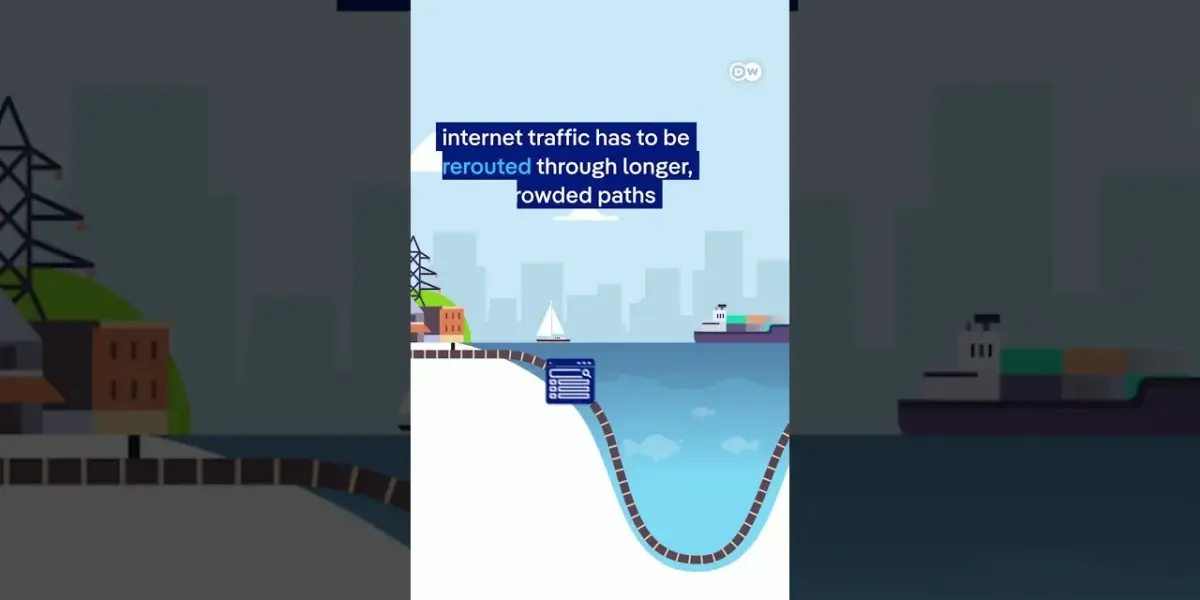
Global Internet Under Threat as Iran Conflict Disrupts Key Undersea Cables
The ongoing conflict in Iran is having an unexpected and far-reaching impact on internet access worldwide, even for those far from the Middle East. A significant portion of the world’s long-distance internet data travels through vital submarine cables laid across the Persian Gulf, the Strait of Hormuz, and the Red Sea.
Damage to these critical communication lines, whether from sea mines or accidental impacts like dragging anchors, forces internet traffic onto longer, more congested routes. This rerouting leads to slower speeds, increased delays, and even complete internet outages in regions well beyond the immediate conflict zone.
The Vulnerability of Undersea Cables
These submarine cables are the hidden highways of the digital age, carrying vast amounts of data that power everything from video calls to financial transactions. They are laid on the seabed and are susceptible to various forms of damage.
Historical incidents have shown that even small disruptions can have significant consequences for global connectivity. The current conflict raises serious concerns about the physical integrity of these essential networks.
Repair Challenges Amidst Conflict
Adding to the problem, the ongoing hostilities make it incredibly difficult, if not impossible, for specialized repair vessels to reach damaged cables. These ships are equipped with advanced technology to splice and mend the delicate fiber optic lines, but they require safe passage and stable conditions.
With active conflict in the region, deploying these vessels becomes a perilous undertaking. Consequently, any cables that snap during this period may remain broken for an extended time, disrupting internet services for months or even years.
Economic and Social Ramifications
The potential for prolonged disruption to these vital data routes carries significant economic and social implications. Businesses rely on stable internet for daily operations, and financial markets are highly dependent on rapid data transfer.
Beyond commerce, communication for individuals, access to information, and even emergency services could be compromised. The interconnected nature of our modern world means that a problem in one critical infrastructure point can ripple outwards, affecting millions.
Historical Precedents and Future Concerns
This is not the first time that geopolitical events have threatened undersea cables. Past incidents, including natural disasters and acts of sabotage, have highlighted the vulnerability of this infrastructure.
However, the current situation in Iran presents a unique challenge due to the potential for sustained conflict and the difficulty in performing repairs. Experts have long warned about the need for greater security and redundancy for these critical data pathways.
What Happens When Cables Break?
When a submarine cable is damaged, internet service providers (ISPs) must reroute traffic. This is often done by sending data through alternative cables. However, if the damaged cable is a major artery, the available alternative routes may not have enough capacity.
Imagine a highway with four lanes suddenly reduced to two; traffic will inevitably slow down. In some cases, if no viable alternative exists, entire regions can lose their internet connection. The longer the repair takes, the more prolonged the disruption and the greater the impact.
The Strait of Hormuz and Red Sea: Critical Chokepoints
The Strait of Hormuz and the Red Sea are not just geographically important; they are critical chokepoints for global trade and digital communication. A vast amount of the world’s oil also passes through the Strait of Hormuz. Their strategic importance means they are often focal points during regional tensions.
The concentration of undersea cables in these narrow waterways makes them particularly vulnerable to any disruption. Any conflict or instability in these areas directly impacts the flow of data.
Looking Ahead: Redundancy and Security
The current situation highlights the urgent need for greater investment in redundant cable systems and enhanced security measures for undersea infrastructure. Diversifying data routes and developing faster, safer repair capabilities are crucial steps. As the conflict in Iran continues, the world will be watching closely to see how these vital digital lifelines are protected and what measures are taken to ensure global internet connectivity remains stable.
Source: Is the Iran war throttling YOUR Internet? | DW News (YouTube)

Related Articles

US, Iran Spar Over Talks Amid Regional Tensions
US officials claim Iran is eager to negotiate a deal, despite internal fears preventing them from openly admitting it. The comments suggest a belief in strong US regional influence and highlight perceived hesitations within the Iranian leadership regarding their own positions.


US Military Obliterates Iran’s Capabilities in 26 Days
U.S. forces have crippled Iran's military capabilities in just 26 days through Operation Epic Fury, achieving objectives weeks ahead of schedule. The operation destroyed Iran's navy, air force, and missile infrastructure, prompting diplomatic talks. Domestically, the administration highlighted economic growth, tax refunds, and efforts to lower drug prices.


Iran Rejects Trump Peace Plan Amid Escalating Middle East Conflict
Iran has rejected a 15-point peace proposal from the Trump administration amid escalating tensions in the Middle East. The rejection comes as new attacks are reported across the region. Iran has presented its own five-point plan, demanding a halt to U.S. and Israeli actions.