Israel Strikes Hezbollah: Escalation Looms in Lebanon
Israel's military released video of strikes targeting suspected Hezbollah sites in Lebanon, continuing a pattern of cross-border conflict. These actions are linked to the Gaza war and raise concerns about wider regional instability.

Israel Strikes Hezbollah: Escalation Looms in Lebanon
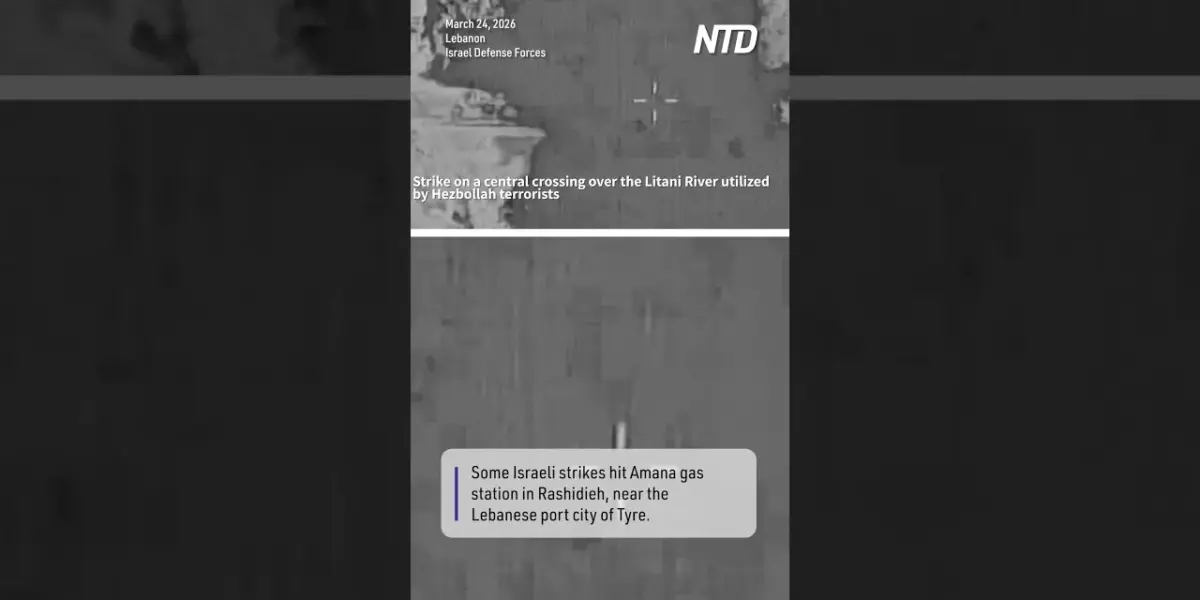
The Israeli military recently shared video showing strikes against what they claim are Hezbollah sites in Lebanon. This action signals a continued and potentially growing conflict between the two groups. The footage, released to the public, aims to show the military’s operations and targets.
These strikes are part of a larger pattern of actions and reactions along the Israeli-Lebanese border. Both sides have been engaged in exchanges since the conflict began in Gaza.
The Israeli military stated that their targets were run by Hezbollah, which they label a terrorist organization. This labeling reflects Israel’s official stance on the group.
Background of the Conflict
The current tensions did not appear overnight. They are deeply rooted in a long history of conflict and political instability in the region.
Hezbollah, a powerful Shia Islamist political party and militant group, has been a significant force in Lebanon for decades. It emerged in the early 1980s, partly in response to the Israeli invasion of Lebanon in 1982.
Israel and Hezbollah have fought major wars, most notably in 2006. That conflict resulted in significant casualties on both sides and widespread destruction in Lebanon.
Since then, there have been ongoing, lower-level clashes and skirmishes. These have often been triggered by specific events or perceived provocations.
The current escalation is closely linked to the ongoing war in Gaza between Israel and Hamas. Hezbollah has stated its support for Hamas and has engaged in cross-border attacks, ostensibly to support Palestinian efforts. This has led to a dangerous back-and-forth, with both sides launching attacks into each other’s territory.
The Recent Strikes
The video released by the Israeli military shows precise targeting of what they identify as Hezbollah infrastructure. The footage is intended to be a public display of military capability and intent. It aims to communicate to both domestic and international audiences that Israel is actively engaged in countering Hezbollah’s operations.
These strikes are not isolated incidents but part of a deliberate military strategy. Israel’s stated goal is to degrade Hezbollah’s ability to launch attacks.
This includes targeting command centers, weapons caches, and other military assets. The effectiveness and legality of these strikes are often debated by international observers.
Hezbollah’s Response and Regional Implications
Hezbollah, for its part, has not been silent. The group has claimed responsibility for its own attacks into Israel, often targeting military installations and border towns. Their rhetoric often emphasizes resistance against what they describe as Israeli aggression and occupation.
The ongoing exchanges raise serious concerns about broader regional instability. There is a constant fear that this conflict could spill over into a larger, more devastating war.
Such a war could draw in other regional powers, further complicating an already volatile situation. The international community has largely called for de-escalation, but effective measures to achieve this remain elusive.
The involvement of Hezbollah adds another layer of complexity to the Middle East’s geopolitical landscape. The group is backed by Iran, a major regional player whose influence is a significant factor in many conflicts. Any major escalation involving Hezbollah could have far-reaching consequences for Iran and its relationship with other global powers.
Why This Matters
The continued conflict between Israel and Hezbollah matters because it directly impacts the lives of civilians on both sides of the border. Thousands have been displaced from their homes in southern Lebanon and northern Israel. They face the constant threat of violence and destruction.
It also matters for regional security and global stability. A wider war could disrupt vital shipping lanes, impact global energy markets, and create a massive humanitarian crisis. The potential for a larger conflict draws in major world powers, increasing the risk of international confrontation.
These events highlight the enduring challenges of finding a lasting peace in the region. The cycle of violence, retaliation, and political deadlock has persisted for decades. Understanding these dynamics is crucial for anyone seeking to comprehend the complexities of Middle Eastern politics.
Future Outlook
The immediate future appears uncertain. The recent strikes suggest that both Israel and Hezbollah are prepared to continue their military operations. There is no clear indication that either side is looking for an immediate de-escalation.
Diplomatic efforts are ongoing, but they face significant hurdles. The deep-seated animosity and the complex web of alliances make finding common ground extremely difficult. The role of international actors, particularly the United States and European nations, will be critical in attempting to mediate and prevent further escalation.
The coming weeks and months will be crucial. Any significant miscalculation or unintended escalation could have severe consequences. The world will be watching closely to see if a path toward de-escalation can be found, or if the conflict will continue its dangerous trajectory.
Source: Israeli Military Video Shows Targeting of Suspected Hezbollah Sites in Lebanon (YouTube)

Related Articles


Iran Missiles Strike Near Nuclear Site; Gas Prices Stay High
Iran launched missiles near Israel's main nuclear research center, injuring dozens and damaging buildings, marking a dangerous escalation in the four-week conflict. Meanwhile, U.S. gas prices are expected to stay high due to supply chain disruptions. The Senate is also debating the SAVE America Act, which would require proof of citizenship for voter registration.


Middle East Nuclear Sites Hit Amid Iran Conflict
Nuclear sites in the Middle East have become targets amid escalating conflict between Iran and Israel. Iran struck an Israeli nuclear facility in retaliation for an earlier air strike, prompting UN calls for restraint due to accident risks. The conflict also impacts US forces and has displaced over a million people in Lebanon.

Iran’s Nuclear Threat Looms Amidst War: Uranium Security Questioned
International concern is mounting over the security of Iran's nearly 1,000-pound stockpile of highly enriched uranium amidst the ongoing conflict. Experts warn the material could be enriched to weapons-grade levels within a week, potentially fueling up to 11 nuclear weapons. Intelligence suggests Iran may be able to access uranium buried after past airstrikes, raising fears of it falling into the wrong hands.