Iran’s Regime Divided on US Peace Talks; Deadline Looms
Iran's leadership is reportedly divided over engaging in peace talks with the United States as a critical deadline set by former President Donald Trump approaches. Internal factions range from pragmatic conservatives seeking economic relief to hardliners resistant to any compromise, complicating the nation's stance. Accusations of ceasefire violations and strategic blockades add further tension to the delicate situation.

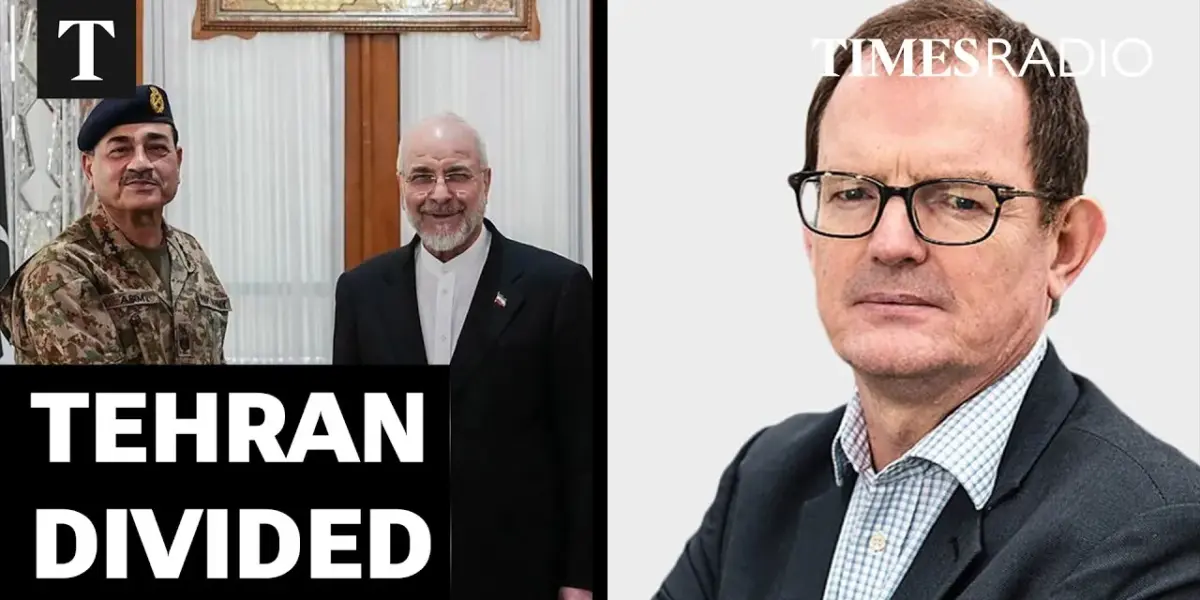
Iran’s Regime Divided on US Peace Talks; Deadline Looms
As a critical deadline approaches for a potential peace agreement, Iran’s leadership appears deeply split on whether to engage in talks with the United States. The situation is further complicated by accusations from former President Donald Trump that Iran has violated a ceasefire numerous times. U.S. Vice President JD Vance is expected to travel to Pakistan for discussions, though Iran’s participation remains uncertain.
Internal Divisions Hamper Consensus
Foreign correspondent Richard Spencer suggests the chances of negotiations proceeding are roughly two-thirds in favor, but highlights significant internal disagreement within the Iranian regime. While figures like chief negotiator Muhammad Galabaf and reformist Foreign Minister Abbas Arachi seem open to a deal, hardliners within the Revolutionary Guard remain resistant to American pressure.
“The regime actually is quite split on this. There is more evidence that the regime is not speaking with entirely one voice,” Spencer stated, indicating that pragmatic factions recognize the economic necessity of a deal for rebuilding infrastructure, even if it goes against hardline principles.
Economic Realities Push for Talks
Pragmatists within Iran, including some within the principalist (conservative) faction, acknowledge that the country’s economy is suffering severely. They argue that without oil revenue and the rebuilding of destroyed industries like steel, Iran cannot sustain its military programs, such as missile development. These voices suggest that striking a deal now, even with the intention of revisiting terms later, is in their best interest.
Hardliners Oppose Any Compromise
Conversely, ultra-principalists, or hardliners, adhere strictly to revolutionary ideals, believing that external realities should not dictate their stance. These factions resist any perceived capitulation to American demands, viewing increased pressure as a reason to stand firm rather than negotiate. This ideological divide creates a complex internal dynamic that complicates Iran’s foreign policy decisions.
Trump’s Deadline and Ceasefire Concerns
Former President Donald Trump has set a Wednesday deadline for a peace agreement, accusing Iran of repeatedly violating the existing ceasefire. Trump has indicated he is unlikely to extend this deadline, creating immense pressure for immediate action. Despite this, Spencer suggests that if talks occur, the ceasefire would likely need to be extended, possibly without explicit acknowledgment from either side.
Blockades as a Key Tactic
The current strategy appears to involve blockades rather than direct military confrontation, a tactic that seems to be impacting both sides. The global concern over potential disruptions to oil supplies highlights the effectiveness of this economic pressure. The recent action by the U.S. to attack and seize an Iranian cargo ship, however, is seen by some as an escalation that could inflame tensions just before peace talks.
Military Perspective on Strategy
From a military standpoint, the approach to the conflict has been questioned. A former deputy commanding general noted that while active-duty military personnel follow lawful orders, the administration has rapidly abandoned diplomatic and economic tools. He criticized the reliance on military action as a first resort, calling it an unsophisticated approach to international relations.
“Unfortunately, this president and administration have abandoned diplomatic very rapidly… He goes straight to military as a quite frankly almost a frat boy kind of mentality,” the former general commented, contrasting it with previous, more measured approaches.
Questions Surrounding Motivations and Escalation
There are lingering questions about the motivations behind recent actions, including claims that Israel persuaded the U.S. into the conflict. Intelligence reports from Tehran suggest preparations for a surprise attack by the U.S. and Israel, though concrete evidence remains elusive. The unpredictability of the current administration’s actions fuels speculation and increases regional risk.
Uncertainty Ahead of Talks
With the deadline looming and Iran’s internal divisions still evident, the path to a peace agreement remains highly uncertain. The upcoming days will reveal whether diplomatic channels can overcome entrenched hardline opposition and the escalating tensions. The focus remains on the potential meeting in Pakistan and whether both nations can find common ground amidst significant internal and external pressures.
Source: Iranian Regime Split Over Peace Talks With The US | Richard Spencer (YouTube)

Related Articles

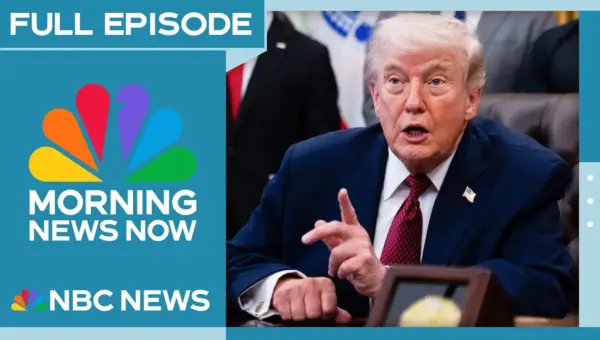
Middle East Tensions Rise as Iran Ceasefire Deadline Looms
Tensions escalate in the Middle East as a U.S.-Iran ceasefire deadline nears, with Vice President Vance heading to Pakistan for peace talks amid uncertainty over Iran's participation. Iran vows retaliation after the U.S. seized a cargo ship, while President Trump issues stern warnings. In domestic news, FBI Director Kash Patel sues The Atlantic for defamation, and the Secretary of Labor resigns amid an investigation.
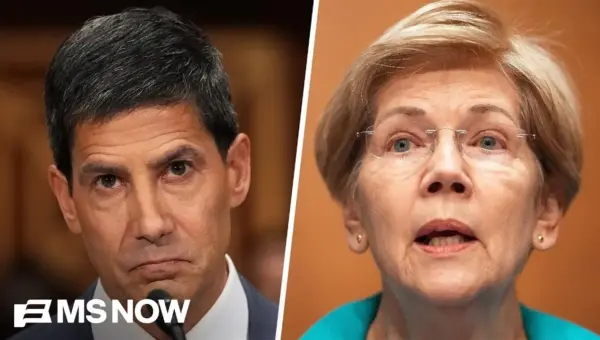
Senator Warren Accuses Trump of Seeking ‘Sock Puppet’ Fed Chair
Senator Elizabeth Warren accused former President Donald Trump of trying to install a "sock puppet" as the head of the Federal Reserve. She believes Trump wants to control the central bank to manipulate the economy for political gain and create opportunities for corruption. Warren also criticized the nomination of Kevin Warsh, citing his past actions during the 2008 financial crisis and his shifting stances on interest rates.
Trump Threatens Iran: Economic War or Military Strike?
President Trump issued a stern warning to Iran, threatening to destroy infrastructure if a deal isn't reached, escalating geopolitical tensions. Meanwhile, debates continue in Washington over significant spending bills, including defense and homeland security funding, raising fiscal concerns.