Markets Rally as Iran Sanctions Tighten, Europe Faces Fuel Shortage
Markets are rallying strongly despite geopolitical tensions and a critical European jet fuel shortage. The U.S. has tightened sanctions on Iran, impacting its maritime trade, while prediction markets favor a resolution by May or June. Investors are advised to maintain a long-term view amidst this complex global environment.

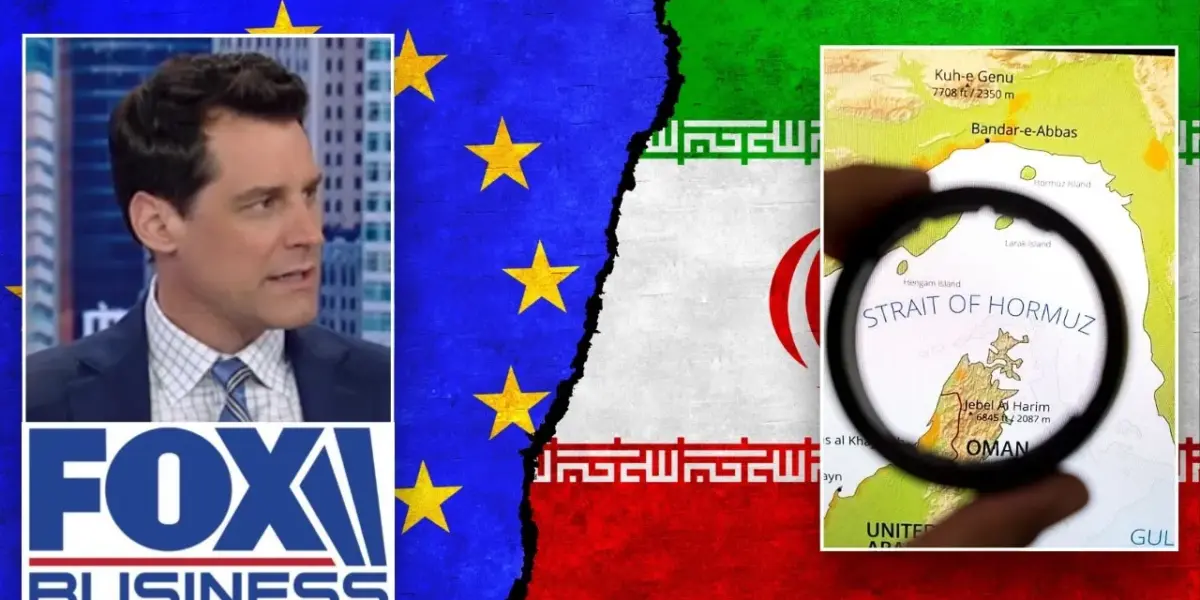
Markets Rally as Iran Sanctions Tighten, Europe Faces Fuel Shortage
Financial markets are showing surprising strength, with major indexes like the NASDAQ experiencing significant gains. This rally occurs even as geopolitical tensions rise and Europe faces a critical shortage of jet fuel. Investors appear to be betting on a resolution to the standoff with Iran, with prediction markets suggesting a high probability of normalized traffic in the Strait of Hormuz by May or June.
The United States has intensified its economic pressure on Iran, halting its maritime trade and imposing financial sanctions. At least ten ships reportedly turned back after approaching U.S. Navy vessels.
The White House launched “Operation Economic Fury,” restoring sanctions and threatening penalties for banks supporting the Iranian regime. This aggressive stance has led some analysts to believe Iran has lost its leverage, especially as the U.S. Navy controls key shipping lanes.
U.S. Naval Power Dominates Strait of Hormuz
U.S. Central Command states that Iran’s maritime trade is completely halted. “We are using 10% of the world’s most powerful navy and you have 0% of your navy.
That is real control,” noted one analyst, highlighting the significant power imbalance. This control over the Strait of Hormuz, a vital waterway for global oil shipments, gives the U.S. considerable influence.
Despite the U.S. pressure, some activity has been observed. Reports indicate three tankers were being loaded with approximately 5 million barrels of Iranian crude oil.
This suggests a potential use of a “dark fleet” to circumvent sanctions, a practice the U.S. is likely aware of. Some waivers may still allow certain countries, like India, to import oil, but the overall flow is severely restricted.
Europe’s Critical Jet Fuel Shortage Looms
A concerning development for global stability is Europe’s critical shortage of jet fuel, with estimates suggesting only six weeks of supply remain. This situation has prompted airlines, including Delta, to seek solutions. Analysts argue that Europe and NATO must act decisively to address this vulnerability, as it directly impacts their energy security.
The reliance on the Strait of Hormuz for energy means Europe’s security is indirectly linked to the situation in the Middle East. The call is for European nations to increase their involvement in securing these vital routes, suggesting they depend on them more than the U.S. currently does. While some movement is being observed, the U.S. seems to be shouldering the primary responsibility for maintaining order.
Economic Data Shows Mixed Signals, Market Resilience
Economic data presents a mixed picture. While industrial production and manufacturing data initially showed a decline, there are signs of a gradual recovery.
Manufacturing output rose at a 3% annual rate in the last quarter, with business equipment output advancing by 4.6%. This suggests underlying resilience in certain sectors of the economy, even amidst global uncertainties.
Despite geopolitical risks and lingering concerns about oil prices, the S&P and NASDAQ indexes are approaching record highs. This market resilience is partly attributed to the ongoing Artificial Intelligence (AI) trade, which has shown remarkable strength. The decoupling of oil prices from equity performance is also noted, with markets appearing to separate geopolitical events from fundamental economic strength.
Market Impact and Investor Outlook
The prediction markets suggest a strong likelihood of a resolution to the Iran situation, influencing investor sentiment. The market’s ability to look six months ahead means current rallies may reflect expectations of normalized trade and reduced geopolitical risk. This forward-looking nature of the equity market is driving significant gains, particularly in large-cap tech stocks and AI-related sectors.
For investors, a long-term perspective is crucial. While short-term fluctuations are common, historical data shows that U.S. stocks have consistently delivered returns over extended periods. The focus may shift towards international stocks and smaller companies, which showed strength in the first quarter, as an alternative to potentially overvalued large-cap tech names trading at high multiples.
The current market dynamic highlights a disconnect between geopolitical events and stock performance. Investors seem to believe that fundamental economic factors will ultimately drive markets higher, even if oil prices remain elevated. The key takeaway is that markets are forward-looking, and current pricing reflects anticipated positive outcomes in global affairs and economic conditions.
The prediction markets’ accuracy in anticipating timelines for resolutions provides a basis for current market optimism. The possibility of normalized traffic in the Strait of Hormuz by late spring or early summer is a significant factor. This outlook suggests that investor confidence remains high, anticipating a return to stability and continued economic growth.
Source: 'GET TO THE STRAIT': Europe, NATO got to get their rear-ends in gear, Brenberg argues (YouTube)

Related Articles


US Naval Action in Hormuz Could Force Iran to Negotiate
Bill O'Reilly argued that US control of the Strait of Hormuz could economically pressure Iran into negotiations. Chris Cuomo questioned the narrative, highlighting differing interpretations of strategic moves and the influence of political bias on analysis. The discussion explored the geopolitical significance of the Strait and the complex motivations behind international relations.

Eight Eurasian Nations Reshape Global Power Balance
Eight Eurasian nations—Armenia, Azerbaijan, Hungary, Kazakhstan, Mongolia, Pakistan, Turkey, and Uzbekistan—are emerging as crucial 'swing states' in a shifting global power balance. These middle powers are strategically navigating relationships with the US and China, influencing international dynamics. Experts suggest China may be most effectively building influence through economic ties.

US Navy Lacks Ships to Secure Oil Tankers in Hormuz
A recent Pentagon briefing reveals the U.S. Navy lacks sufficient ships to escort oil tankers through the Strait of Hormuz. Senior National Security Reporter David Rohde highlighted this critical shortage, which could impact global energy prices and regional stability. The situation points to challenges in maintaining naval capacity for vital global security missions.