Iran Eyes US Infiltration Amid Border Surge
U.S. authorities are increasingly concerned about Iran activating sleeper cells within the United States. This worry follows the interception of 1,500 Iranian nationals at the border. The clandestine nature of these potential operatives makes them difficult to track, raising national security alarms.

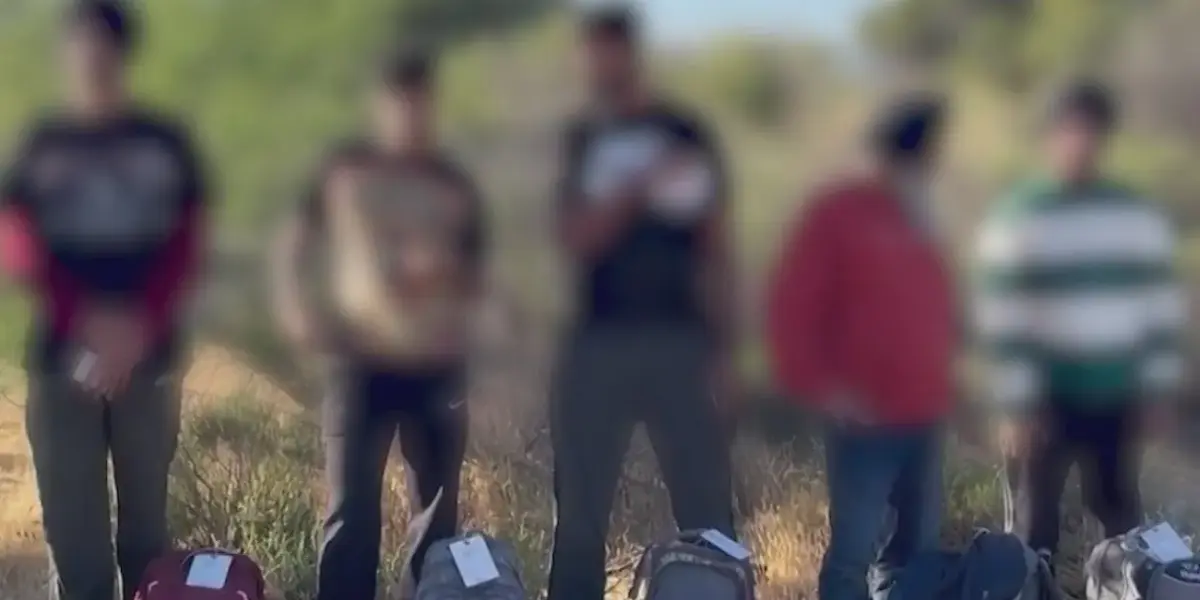
Iran Eyes US Infiltration Amid Border Surge
Growing concerns are surfacing about Iran potentially activating sleeper cells within the United States. This worry comes after a significant number of Iranian nationals have been intercepted at the U.S. Border. Officials are worried that these individuals could be operating undetected inside the country.
The U.S. Issued a security alert earlier this month. It warned that Iran might be activating potential sleeper agents globally. The threat is considered real, though difficult to track.
Sleeper agents can blend in for years before being ordered to act. This means identifying them before they are activated is extremely challenging for authorities.
Border Interceptions Highlight Concerns
Roughly 1,500 Iranian nationals have been stopped at the U.S. Border during the Biden administration. However, officials emphasize that the number of those who have successfully entered undetected is unknown. Reports indicate that many Iranians are willing to pay large sums of money to smugglers, often called ‘coyotes.’ These networks help them cross the border into the United States.
Last summer, NewsNation reported that 130 Iranian nationals were arrested in just one week. They were trying to enter the U.S. Illegally. This pattern of attempted illegal entry highlights the persistent interest in reaching American soil.
Historical Warnings and Vigilance
The Trump administration also raised alarms about potential Iranian infiltration. As early as last summer, they warned that the risk of an attack by Iranian-backed extremists in the U.S. Could increase. This warning was tied to any calls for violent action against the U.S. And Israel by Iranian leaders.
A veteran border patrol agent stressed the need for Americans to remain watchful. He stated that many individuals entering the country might wish to harm Americans or the nation.
Some of these individuals could have ties to various terrorist organizations worldwide. This highlights the complex nature of border security and national defense.
The Role of Smuggling Networks
The ‘coyotes’ play a key role in facilitating these border crossings. They operate networks that can move individuals across borders for substantial fees.
This indicates a well-organized effort to bypass official immigration channels. The willingness of individuals to pay tens of thousands of dollars suggests a strong motivation to reach the U.S.
Authorities are working to identify and intercept these individuals. However, the clandestine nature of sleeper cells makes this an ongoing challenge.
Investigations and tips from the public are vital tools in this effort. The sheer volume of attempted border crossings makes comprehensive screening difficult.
Global Impact and Future Scenarios
This situation reflects broader geopolitical tensions involving Iran. The country faces international sanctions and seeks to project influence. The use of potential sleeper cells could be a tactic to exert pressure or retaliate against perceived adversaries.
Future scenarios could see increased international cooperation on border security. There might also be heightened scrutiny of individuals of Iranian origin entering Western nations.
Alternatively, if diplomatic relations do not improve, Iran might continue or even escalate these efforts. The effectiveness of these tactics depends on U.S. Intelligence and border control capabilities.
The concern is not just about those at the border, but who may already be inside the country undetected.
Why This Reshapes the World Order
The potential for foreign-backed sleeper cells operating within the U.S. Challenges the notion of secure borders. It highlights the evolving nature of state-sponsored threats.
These threats are no longer limited to traditional military actions or cyberattacks. They can involve clandestine operatives embedded within populations.
This development forces nations to rethink their internal security measures. It also impacts international relations, potentially leading to increased mistrust and stricter travel policies.
The ability of a nation like Iran to potentially infiltrate another country with operatives underscores a significant shift in how geopolitical rivalries are played out. It moves the battleground from traditional fronts to the very heart of societies.
Source: Concerns of Iranian sleeper cells rise after 1,500 intercepted at border | Morning in America (YouTube)

Related Articles
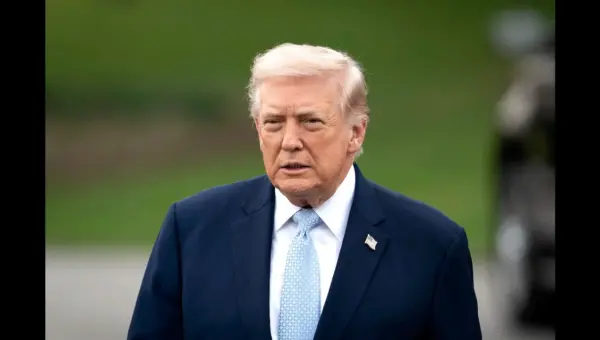
Trump Declares Victory Over Iran, Links Border Security to Voting Rights
Donald Trump claimed victory over Iran and linked Homeland Security funding to voter ID laws during a speech in Memphis. He asserted his administration dismantled Iran's military, leading to negotiations and preventing nuclear weapon development. Trump also highlighted crime reduction in Memphis as a success, while demanding strict voter identification and proof of citizenship for elections.

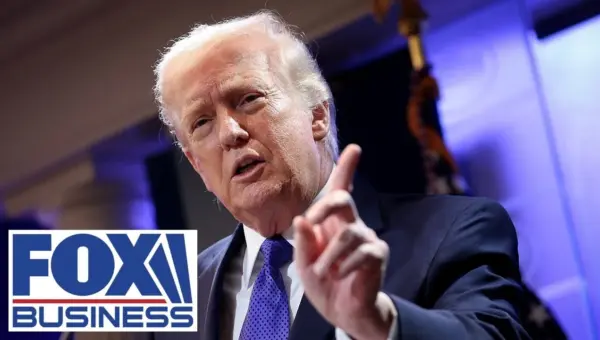
Trump Declares Iran Nuclear Threat Eliminated, Cites 90% Missile Loss
President Trump announced significant military successes against Iran, claiming a 90% reduction in their missile capabilities and halting their nuclear ambitions. He also highlighted a dramatic decrease in crime in Memphis following the implementation of a new task force. Discussions are ongoing regarding homeland security funding and voter identification requirements.


Bitcoin Surges as Geopolitical Tensions Ease
Bitcoin saw a significant recovery, trading above $70,700, as geopolitical tensions between the U.S. and Iran eased following positive diplomatic signals. This shift reversed an earlier market downturn that had impacted stocks and gold. Gold experienced a dramatic 10% price drop, contrasting with Bitcoin's resilience, which is increasingly being viewed as a portable store of value.