Trump’s Iran Blockade Gamble: High Stakes, Uncertain Rewards
The U.S. has launched a naval blockade of Iranian ports, aiming to cripple Iran's economy and oil exports. This move escalates tensions and risks higher global oil prices. Despite claims of international support, allies remain hesitant, raising questions about the strategy's effectiveness and its potential to backfire.

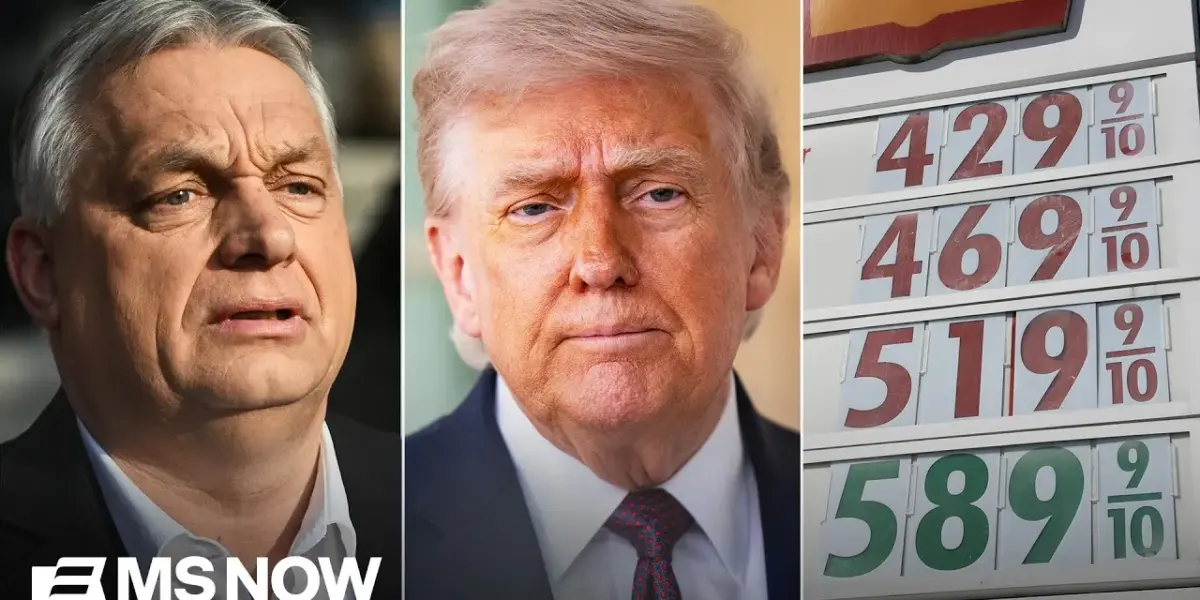
US Launches Naval Blockade Against Iran
In a significant escalation of tensions, the United States has initiated a naval blockade of all Iranian ports, marking the 45th day of a growing conflict with Iran. The blockade, extending from Iran’s southern coast to the crucial Strait of Hormuz, aims to halt all maritime traffic in and out of the country. This move directly challenges Iran’s previous ability to control shipping and impose tolls on vessels. President Trump stated that Iran has been “blackmailing the world” and that the U.S. will not permit this to continue. He warned that any ships approaching the blockade zone could face elimination.
Economic Impact and Global Oil Prices
The U.S. naval blockade is expected to severely damage Iran’s economy by cutting off its vital oil exports. However, this action is also predicted to drive global oil prices even higher. American consumers are already feeling the pinch, with gasoline prices nearing all-time highs. The Strait of Hormuz is a critical chokepoint for global oil transport, and disruptions here can have far-reaching economic consequences. Even industries reliant on imports, such as farmers needing fertilizer, could be affected.
Diplomatic Efforts Stall Amidst Escalation
The blockade comes in the wake of failed peace talks between the U.S. and Iran over the weekend. An Iranian leader indicated that the U.S. failed to earn the trust of their negotiators. Meanwhile, mediators are reportedly working to revive these discussions. Adding to the complex situation, officials suggest the President is considering resuming limited military strikes within Iran. A two-week ceasefire was set to expire soon, but with the U.S. naval blockade and continued Israeli actions in Lebanon, the idea of a ceasefire now seems unlikely.
International Reaction and Alliance Support
President Trump has suggested that other countries would assist in the blockade effort, but reports indicate otherwise. NATO allies have explicitly stated they will not get involved. Experts point out that these allies were not consulted on the current conflict and therefore do not feel obligated to support unilateral U.S. actions. While global powers have a vested interest in regional stability and the impact of oil prices, the lack of a united front could leave the U.S. isolated in this gambit.
Inside the White House Strategy
White House correspondents suggest the administration’s view is to apply pressure on Iran, mirroring Iran’s own blockade tactics. Some believe the blockade could be used to help clear mines from the Strait of Hormuz. However, analysts question the effectiveness of the U.S. strategy, noting that previous objectives, such as neutralizing Iran’s naval capabilities, missile capacity, and nuclear program, have not been fully achieved. The war has so far resulted in higher gas prices for Americans without clear political victories for the White House.
A Risky “Game of Chicken”
Former Ambassador Michael McFaul described the situation as a “game of chicken,” questioning whether the U.S. can ultimately win. He noted that Iran has endured significant pressure without showing signs of capitulation. The Iranian regime remains in place, and they appear to be escalating their own pressure tactics. The U.S. response, while causing economic pain, may not lead to the desired outcome of de-escalation or negotiation success.
Negotiations and the President’s Approach
Regarding the stalled peace talks, President Trump’s past comments suggest a belief that walking away from negotiations can yield better deals. However, his engagement during the recent talks, including attending a UFC fight while Vice President Vance was announcing their failure, has raised questions about his commitment and the seriousness of the diplomatic effort. While there are reports of terms being exchanged regarding Iran’s nuclear program, the overall path forward remains uncertain.
Damage to Global Reputation
The disjointed approach to diplomacy, including the President’s public activities during critical moments, is seen as damaging to the U.S. international reputation. This “split screen” of events can create an impression of unseriousness to world leaders. In a globalized world, such perceptions can benefit rivals like China, which may gain influence as the U.S. appears less stable or committed. The focus remains on whether this high-stakes gamble will yield the intended results or lead to further instability.
What’s Next?
All eyes are now on how Iran will respond to the intensified U.S. pressure and whether the naval blockade will achieve its intended goals. The success of this strategy will likely depend on Iran’s economic resilience and its willingness to negotiate under duress. Furthermore, the broader international community will be watching to see if the U.S. can mend its relationships with allies and present a more unified front in managing the complex geopolitical situation in the Middle East.
Source: 'Game of chicken': Trump's big blockade gamble could be a BUST (YouTube)

Related Articles
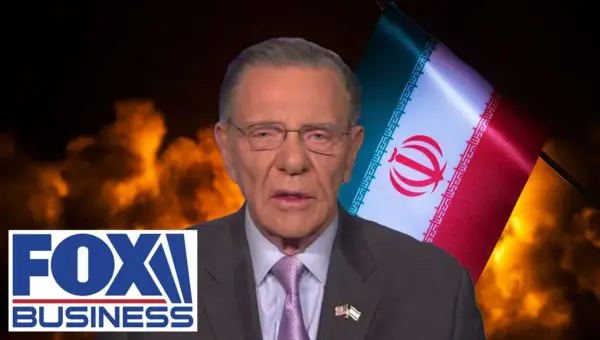
US Naval Blockade Forces Iran to Negotiate
The U.S. is using a naval blockade to force Iran to negotiate, targeting oil tankers to disrupt Tehran's revenue. This strategy aims to secure freedom of navigation through the Strait of Hormuz and prevent Iran from developing nuclear weapons. Investors should watch regional stability and oil prices.
Trump Ultimatum: No Deal Without Nuclear Ban
President Trump has issued an ultimatum in Iran negotiations, stating no deal will be reached if Iran pursues nuclear weapons. Meanwhile, domestic policy debates continue over DHS funding, with a reconciliation process being considered for various legislative items. Positive economic news includes a significant rise in average tax refunds, boosting consumer spending.
Judge Tosses Trump’s $10B Lawsuit Against WSJ
A federal judge has dismissed former President Donald Trump's $10 billion lawsuit against The Wall Street Journal. The judge ruled that Trump's team failed to prove 'actual malice' by the newspaper. Trump's legal team stated they will continue to fight against what they call 'fake news'.