Economy Hits Rock Bottom: Americans Struggle to Keep Up
A JD Power survey reveals that 65% of Americans can no longer keep up with rising prices, with incomes failing to match inflation. This is forcing many to delay purchases, cut back on services, and even use credit cards for groceries, indicating widespread economic strain.

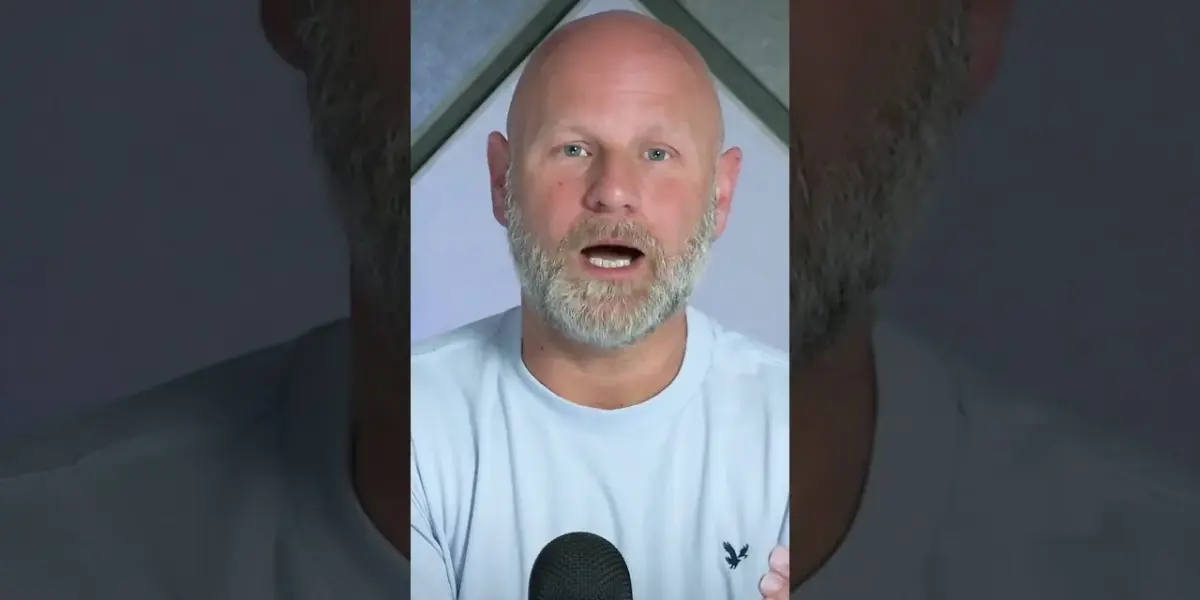
Economy Hits Rock Bottom: Americans Struggle to Keep Up
Amidst daily headlines about international affairs and political drama, a critical issue affecting every American is often overlooked: the economy. While attention may be drawn to foreign policy, ongoing conflicts, or even the mental state of leaders, the real impact on daily life is felt at the kitchen table. This is especially true as many Americans find their incomes falling behind rising prices.
A recent survey by JD Power reveals a stark reality for most households. Sixty-five percent of Americans report that their income is not keeping pace with monthly price increases. This means that even if people are earning the same or slightly more, their money simply doesn’t buy as much as it used to.
Inflation’s Grip Tightens
The numbers paint a clear picture of economic strain. Inflation, the rate at which prices for goods and services rise, has shown a significant upward trend.
Between February and March alone, inflation jumped from 2.4% to 3.3%. While factors like rising gas prices, sometimes linked to global events like the war in Iran, play a role, the overall trend is concerning.
Looking at a broader timeframe, prices have increased by a staggering 16% over the last four years. In contrast, incomes adjusted for inflation have only risen by a modest 1.4%. This significant gap highlights that the problem isn’t necessarily that people are earning less money overall, but rather that the purchasing power of that money has severely decreased.
Consumers Cut Back on Essentials and Luxuries
The impact of these rising costs is forcing Americans to make difficult choices. Half of all Americans report delaying purchases of essential items like clothing and home goods. This suggests a serious belt-tightening is underway, as people postpone even necessary buys.
Beyond basic needs, spending on personal services and even small pleasures is also being reduced. Forty-two percent of people are spending less on services such as haircuts and pedicures, indicating a move away from non-essential grooming. Even more are cutting back on other areas, with 22% reducing spending on gym memberships, 21% on alcohol, and 14% on ride-sharing services.
Credit Cards Become a Lifeline for Groceries
Perhaps the most alarming statistic is the number of Americans relying on credit cards to cover basic necessities. A significant 39% of people have used credit cards to pay for groceries or other essential items because they couldn’t afford them otherwise. This reliance on debt for everyday needs points to a deep economic vulnerability for a large portion of the population.
Why This Matters
This economic pressure directly affects the daily lives and financial well-being of millions. When people can no longer afford basic goods and services, it creates widespread anxiety and hardship. The reliance on credit cards for essentials signals a potential future crisis, as more households may struggle with debt repayment.
These economic trends can influence voting behavior, as voters often prioritize financial stability when casting their ballots. The feeling of economic insecurity can shape opinions on current leadership and future policy directions. It also impacts businesses, as reduced consumer spending can lead to slower growth or even cutbacks.
Implications and Future Outlook
The current economic situation suggests that consumers are reaching a breaking point. The trend of wages not keeping up with inflation, coupled with reduced spending on both necessities and discretionary items, indicates a fragile economic environment. This can lead to a slowdown in economic activity as people have less disposable income.
Looking ahead, continued inflation without corresponding wage growth could further strain household budgets. Policymakers face the challenge of addressing inflation without stifling economic growth. The choices made in the coming months will be crucial in determining whether this period of economic hardship is temporary or long-lasting.
Historical Context
Periods of high inflation and stagnant wage growth have historically led to public dissatisfaction and economic uncertainty. In the past, such conditions have often been significant factors in elections and shifts in economic policy. Understanding these historical patterns can provide insight into the potential long-term consequences of the current economic trends.
The current situation echoes concerns from previous eras where the cost of living outpaced earnings, forcing households to adapt by cutting back or taking on debt. This historical perspective highlights the seriousness of the current economic challenges and the potential for lasting impacts on American households.
The next Consumer Price Index (CPI) report, which details inflation rates, is expected in mid-April.
Source: Things have hit ROCK BOTTOM thanks to Trump (YouTube)

Related Articles
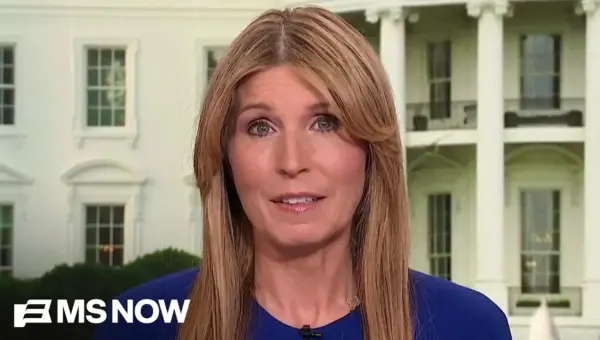
GOP Faces Midterm Meltdown as Trump’s Woes Mount
Republicans are reportedly in a state of panic over the upcoming midterm elections, as Donald Trump's record-low approval ratings and persistent distractions are overshadowing their efforts. A combination of economic woes, foreign policy stumbles, and internal party conflicts are creating significant challenges for the GOP as they approach a crucial election cycle.

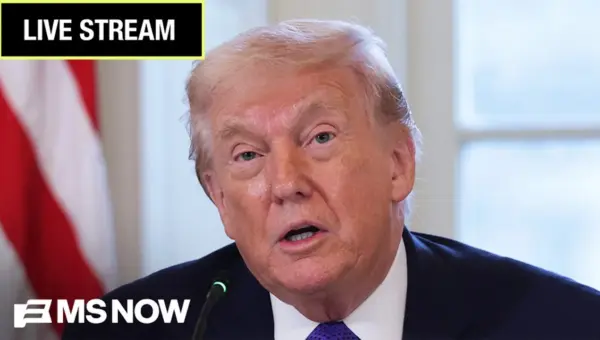
Trump Pushes ‘No Tax on Tips’ Amid Economic Woes
Former President Donald Trump hosted a roundtable to champion his proposal of eliminating federal taxes on tips. He linked this idea to providing relief amidst high gas prices and ongoing international conflicts. The event featured service industry workers who shared their support for the tax cut plan.
Trump Touts Tax Cuts: A Closer Look at His Promises
Donald Trump highlighted his administration's tax cuts, including "no tax on tips," during a Las Vegas roundtable. He claimed these policies led to larger tax refunds for workers and seniors, contrasting them with current economic challenges. The speech focused on benefits for the working class and contrasted his approach with Democratic proposals.