Trump’s Tax Cuts: A Boost for Workers or a Political Ploy?
Donald Trump highlighted his administration's tax cuts at a Las Vegas event, focusing on benefits like "No Tax on Tips" for service workers. He claimed these policies put more money in Americans' pockets and contrasted them with current inflation under the Biden administration, urging support for Republicans in upcoming elections.

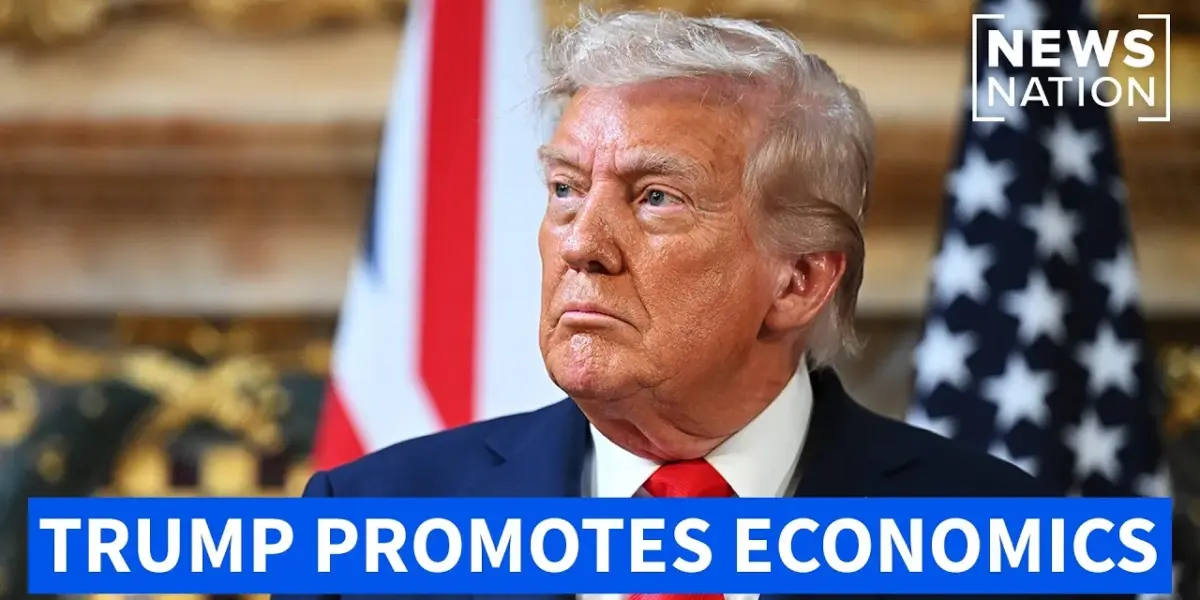
Trump’s Tax Cuts: A Boost for Workers or a Political Ploy?
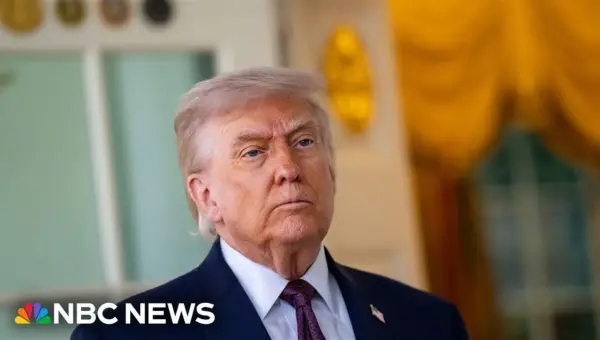
Donald Trump recently held a roundtable event in Las Vegas, focusing on his administration’s economic policies, particularly tax cuts. He presented these cuts as a major success, directly benefiting working families and tipped employees.
Trump highlighted the “No Tax on Tips” initiative as a cornerstone of his economic agenda, originating from a simple suggestion by a waitress in Las Vegas. This policy, he claims, allows thousands of service workers in the city to keep more of their earnings, leading to larger tax refunds than ever before.
The former President emphasized that his administration passed the “largest tax cuts in history” for working families. He stated that these cuts, part of a larger bill, have put more money into the pockets of every American, regardless of income level.
Trump contrasted this with the policies of the current administration, blaming “brutal inflation” under President Biden for economic hardship. He argued that if Republicans lose upcoming elections, these tax benefits will be taken away, leading to higher taxes.
Key Policy Highlights and Claims
During the event, Trump detailed several key aspects of his tax policies:
- No Tax on Tips: This was presented as a direct benefit for service industry workers, with thousands in Las Vegas reportedly receiving significant tax refunds as a result.
- No Tax on Overtime: Trump claimed this policy also provides a financial boost to workers by allowing them to keep more of their overtime pay.
- No Tax on Social Security: He stated that over 51 million seniors now pay zero federal tax on their Social Security income, a policy he championed.
- Deductions for American-Made Car Loans: A new deduction was introduced for interest paid on loans for American-made cars, aiming to support domestic manufacturing.
- No Inheritance Tax (Death Tax): This policy was highlighted as a way to help small businesses and farmers pass on their assets to their children without incurring significant tax burdens.
- Small Business Tax Cuts: Trump asserted that millions of small businesses have paid significantly less in taxes, with an average reduction of nearly $7,000.
He also touched upon broader economic claims, stating that the U.S. has the safest border and lowest murder rates in 125 years. He boasted about the strength of the U.S. military and its advanced equipment, citing instances of successful missile defense.
Historical Context and Economic Arguments
Trump’s economic platform, often referred to as “Trumpomics,” centered on tax cuts and deregulation. The Tax Cuts and Jobs Act of 2017 significantly lowered corporate and individual income tax rates.
Supporters argue these cuts stimulate economic growth by encouraging business investment and consumer spending. The idea is that when businesses have more money, they hire more people and raise wages, benefiting everyone.
The “No Tax on Tips” policy, while not a federal law in the way Trump presented it, aligns with his broader efforts to reduce the tax burden on workers. The transcript suggests that some of these initiatives might have been implemented through executive actions or specific provisions within larger tax bills. For instance, the idea of a “Trump account” for newborn children, with a $1,000 contribution, appears to be a proposal for a new savings vehicle, similar to 529 plans but with different features.
Critics, however, often point to the national debt increases associated with such tax cuts. They argue that the benefits disproportionately favor corporations and high-income earners, while the middle and lower classes see less substantial gains. The claim of “highest inflation in history” under Biden is contested; while inflation has been high, historical data shows periods of even greater inflation in the U.S.
Why This Matters
The discussion around tax policy is crucial because it directly affects the financial well-being of individuals and the overall health of the economy. Trump’s strategy aims to connect specific tax benefits to tangible outcomes for voters, such as increased take-home pay and larger refunds. By framing these policies as a reward for hard work and a direct contrast to what he portrays as the Democrats’ intention to raise taxes, he seeks to mobilize voters.
The event in Las Vegas, a city with a large population of tipped workers, is a strategic location to highlight the perceived benefits of his policies. The emphasis on gratitude, like the reported quote “God bless the IRS,” highlights the emotional appeal Trump uses to connect with voters who feel they are directly benefiting from his economic agenda. This approach aims to solidify support by demonstrating tangible positive impacts on their daily lives.
Implications, Trends, and Future Outlook
Trump’s continued promotion of these tax policies suggests they will remain a central theme in his political messaging. The strategy involves highlighting specific measures that resonate with key demographics, such as service workers and seniors. The emphasis on “making America great again” through economic policies that prioritize domestic production and reduce taxes is a consistent thread.
The future outlook for these policies depends heavily on the political landscape. If similar tax cuts were to be enacted again, the debate would likely revolve around their impact on the national debt, income inequality, and long-term economic growth. The effectiveness of such policies in influencing voter behavior, as seen in this event, highlights the power of connecting economic benefits to specific, relatable initiatives.
The narrative presented is one of economic recovery and prosperity driven by specific tax reforms. The success of these policies, according to Trump’s rhetoric, is evident in increased refunds, booming businesses, and a stronger national economy. The upcoming elections are framed as a critical juncture where voters will decide whether to retain these perceived economic gains or revert to policies that he claims would lead to higher taxes and economic hardship.
The event concluded with a call to action for voters to support Republicans in the midterms, emphasizing that these policies are at stake. The promise is that continued Republican leadership will maintain and expand upon these economic benefits, ensuring that Americans keep more of their hard-earned money.
Source: Trump promotes economic policies to voters at Las Vegas roundtable (YouTube)

Related Articles

Trump’s Iran Policy Fuels Market Gains, Analysts Say
President Trump's strategy of imposing a crippling economic blockade on Iran is reportedly leading to its financial collapse and contributing to record highs in the stock market. Analysts suggest this decisive foreign policy, combined with pro-growth tax cuts, is creating a favorable environment for investors.
Trump Touts Tax Cuts: A Closer Look at His Promises
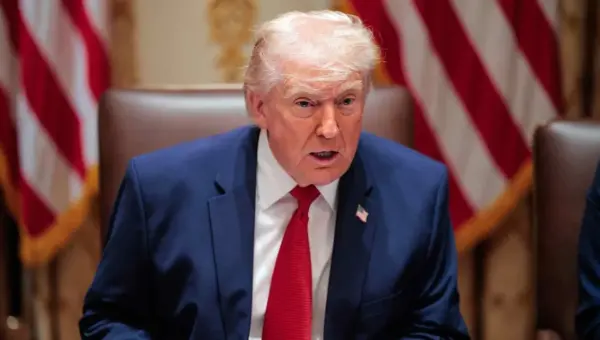
Donald Trump highlighted his administration's tax cuts, including "no tax on tips," during a Las Vegas roundtable. He claimed these policies led to larger tax refunds for workers and seniors, contrasting them with current economic challenges. The speech focused on benefits for the working class and contrasted his approach with Democratic proposals.
Trump Praises Tax Cuts, Focuses on ‘No Tax on Tips’
Former President Donald Trump held a "No Tax on Tips" roundtable in Las Vegas, championing his administration's tax cuts. He highlighted benefits for tipped workers, seniors, and small businesses, contrasting his policies with those of Democrats. Trump urged voters to support Republicans in the midterms to preserve these tax advantages.