FAA Probes JFK Near-Miss: Air Canada, American Jets Dangerously Close
A tense situation unfolded at JFK airport when an American Airlines regional jet narrowly avoided a collision with an Air Canada jet. Both planes landed safely after onboard alerts activated. The FAA is now investigating the close call, which follows other recent aviation incidents.

FAA Investigates JFK Near-Miss Incident
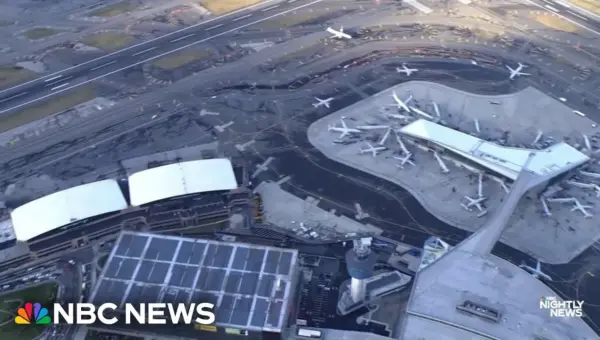
The Federal Aviation Administration (FAA) is investigating a frightening incident at New York’s John F. Kennedy International Airport (JFK) where an American Airlines regional jet came dangerously close to an Air Canada regional jet. The close call occurred as the American Airlines jet was attempting to land.
Onboard warning systems activated on both aircraft, alerting pilots to the perilous proximity. Thankfully, both planes managed to land safely without any injuries reported.
Recent Aviation Safety Concerns
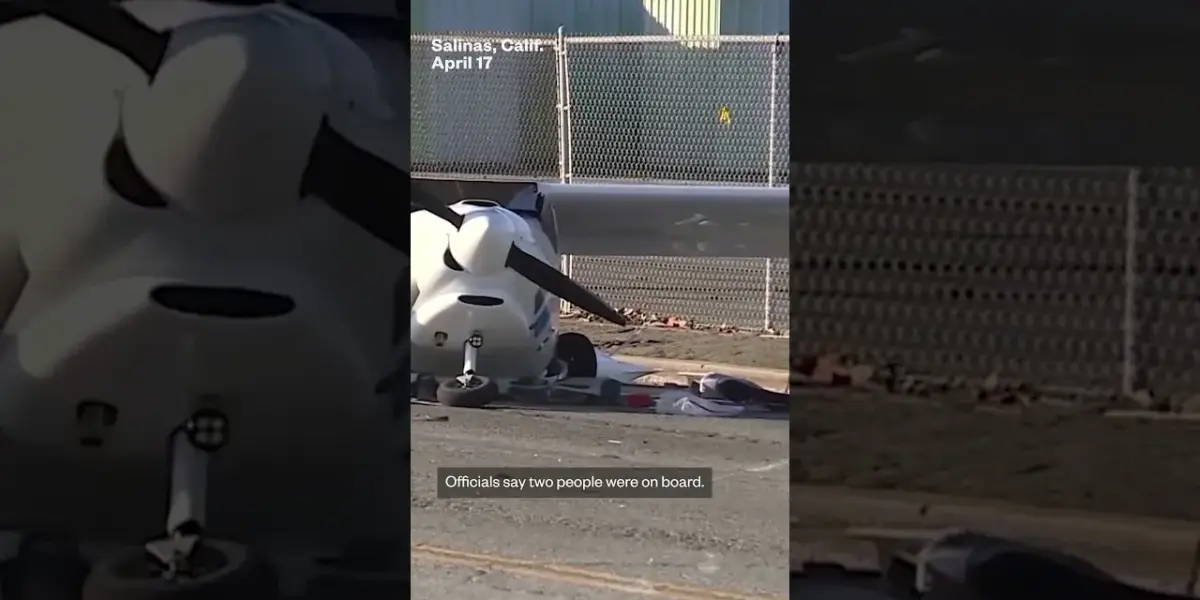
This near-miss at JFK is the latest in a series of aviation safety concerns that have emerged recently. Just days before, a small plane experienced a collision with power lines near the airport in Selenus. Officials confirmed two people were aboard the aircraft when it struck the lines.
Fortunately, no injuries resulted from that incident either, though the cause remains under investigation. These events highlight a growing concern about aviation safety across different types of aircraft and operations.
Unusual Landing in Arizona
Adding to the recent string of unusual aviation events, Mesa, Arizona, police released video footage of a small plane making an emergency landing on a public road. The video shows the aircraft maneuvering between three lanes of traffic, effectively turning a highway into an impromptu airstrip.
Miraculously, no one was harmed during this unexpected landing. Authorities used the incident to remind the public about the importance of staying alert, noting that unexpected emergencies can occur in various locations.
Broader Implications for Air Travel
The FAA’s investigation into the JFK incident will likely examine the specific circumstances that led to the two regional jets coming so close. Factors such as air traffic control communication, pilot procedures, and aircraft navigation systems will be scrutinized.
Similar to how a car might swerve to avoid an obstacle, the pilots in this situation likely took evasive action once their onboard systems warned them of the danger. This type of event, while rare, raises questions about the current safety protocols and the increasing complexity of managing air traffic in busy airspace.
Context of Air Traffic Management
JFK is one of the busiest airports in the United States, handling thousands of flights daily. Managing this volume requires sophisticated air traffic control systems and highly trained personnel.
The FAA has been working to modernize its air traffic control system, known as NextGen, which aims to improve safety and efficiency through advanced technologies like GPS navigation and satellite-based communication. Incidents like the one at JFK highlight the critical importance of these systems and the constant vigilance required by air traffic controllers and pilots.
Looking Ahead
The FAA’s findings from the JFK investigation are expected to clarify the contributing factors and any potential system or procedural weaknesses. The agency will likely issue recommendations to prevent similar occurrences in the future.
In the meantime, aviation authorities will continue to monitor safety data and review protocols across the board. The public will be watching closely for updates on this investigation and any resulting changes aimed at enhancing air travel security.
Source: FAA investigates close call between two planes at JFK (YouTube)

Related Articles
Jets Near Miss at JFK; FAA Probes Airport Safety
A regional jet at JFK Airport narrowly avoided disaster when it strayed dangerously close to another aircraft. The FAA is investigating the close call, which happened amid a recent spike in aviation incidents nationwide. Both planes landed safely, but the event raises renewed questions about airport safety protocols.


Balloon Crashes Backyard: 13 Strangers Land Unexpectedly
A California couple had 13 unexpected guests land in their backyard when a hot air balloon made an emergency landing. The pilot was forced down by changing winds, but thankfully, no one was hurt. The situation turned into a memorable, albeit surprising, event for the homeowners.


US Air Traffic Control Gets a Tech Makeover
America's air traffic control system, reliant on 1960s technology, is undergoing a massive overhaul. The DOT and FAA are working with industry partners to build a modern, safe, and efficient system, aiming for completion by 2028. This ambitious project promises to replace outdated equipment with advanced technology, creating jobs and improving air travel.