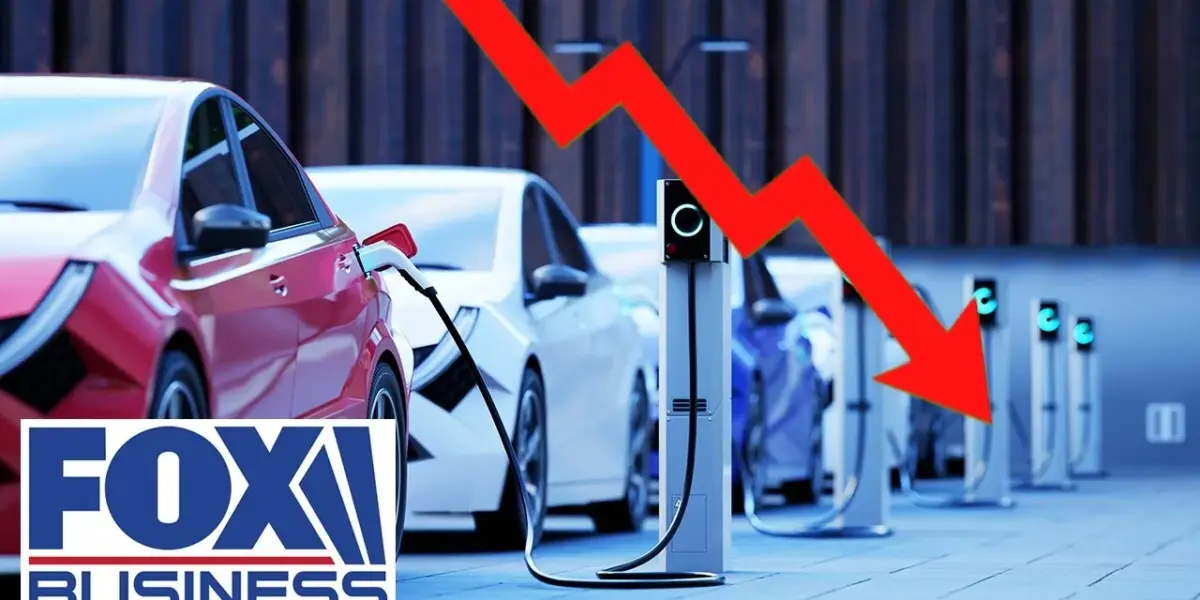
EV Sales Plummet 8% Amid SUV and Truck Resurgence
Electric vehicle sales have fallen by 8% in February, while demand for SUVs and trucks has surged by 15% and 14% respectively. This trend highlights a shift in consumer preference, with traditional gasoline-powered vehicles regaining popularity. Automakers are responding by focusing on larger vehicle production, while also grappling with significant tariff costs.

EV Sales Plummet 8% Amid SUV and Truck Resurgence
The electric vehicle (EV) market is facing a significant downturn, with sales dropping 8% in February. This sharp decline contrasts sharply with the growing popularity of traditional SUVs and trucks, which saw sales increase by 15% and 14% respectively during the same period. This shift signals a potential change in consumer preference, moving away from electric power and back towards larger, gasoline-powered vehicles.
Automakers appear to be responding to this trend by focusing their production and marketing efforts on SUVs and trucks. Auto shows are now showcasing the latest models of these larger vehicles, drawing significant crowds. This strategy suggests that manufacturers believe these models are what consumers want to buy right now, and where the real sales potential lies.
Tariffs Add to Automaker Woes
Adding to the challenges in the automotive sector are tariffs, which are imposing a substantial financial burden on car manufacturers and suppliers. A recent report from Cox estimates that these tariffs could cost the industry as much as $35 billion. This figure breaks down to nearly $4,000 per vehicle, a significant added expense.
The impact of these tariffs was directly addressed by the President of Nissan Americas. He acknowledged that while the company is absorbing a considerable amount of these costs, they have actively worked to reduce their exposure. Nissan’s net exposure to tariffs has decreased significantly from $4 billion a year ago to $1.525 billion currently, with a stated mission to bring that number down to zero.
Nissan’s strategy to reduce tariff exposure involves increasing vehicle production within the United States. This move aims to mitigate the financial impact of import duties and align production with market demand.
The company’s president emphasized the importance of building as many cars as possible in the U.S. This domestic production strategy is key to their plan to overcome the financial hurdles presented by tariffs. It also reflects a broader trend of automakers looking to localize their supply chains and manufacturing operations.
SUVs and Trucks Drive Profitability
While smaller cars, including EVs, are struggling to gain traction, the profitability of SUVs and trucks remains strong. Manufacturers are finding that these larger vehicles are more financially rewarding to produce and sell. This is likely due to a combination of factors, including higher average transaction prices and sustained consumer demand.
The financial dynamics of the market are clearly favoring larger vehicles. This economic reality is influencing production decisions and product development across the automotive industry. The focus on SUVs and trucks is not just about meeting consumer demand; it’s also about maximizing profits in a challenging economic environment.
Market Impact and Investor Considerations
The current market trend suggests that investors in the automotive sector should pay close attention to the performance of companies heavily invested in EV technology versus those with a strong lineup of SUVs and trucks. The recent sales data indicates a clear divergence in performance, with traditional vehicle sales outperforming electric models.
For automakers, the challenge lies in balancing the long-term strategic shift towards electrification with the immediate need to meet current market demands and maintain profitability. Companies that can successfully navigate this transition, perhaps by offering a diverse range of vehicles, may be better positioned for future success. The current data suggests that the immediate future still belongs to the gasoline-powered SUV and truck.
The upcoming months will be crucial in determining if this trend is a temporary blip or a sustained shift in consumer behavior. Automakers are set to unveil their strategies for the next model year, which will offer further insights into their adaptation to this evolving market. The focus on domestic production and the profitability of larger vehicles are key themes to watch.
The auto show season continues, with manufacturers expected to reveal more about their plans for both electric and traditional vehicles. Consumer response to these new models will be a critical indicator of the market’s direction. The financial health of the industry may depend on its ability to adapt quickly to these changing consumer tastes and economic pressures.
Source: 'BIGGEST LOSER': EVs hit HARDEST in market downturn (YouTube)

Related Articles


Audi A8 Axed, BMW 7 Series Future Uncertain
Audi has officially discontinued its A8 full-size luxury sedan, a move that signals a broader decline in the segment. With sales cut in half over the last 15 years, rivals like the BMW 7 Series may also face an uncertain future as consumer preference shifts to SUVs.


Trump’s Tariffs Drove Up Fed Building Costs, Prosecutors Find No Powell Crimes
Federal prosecutors reportedly found no evidence of wrongdoing by Jerome Powell regarding the Federal Reserve building's cost overruns. Instead, sources suggest the issues stemmed from Trump's tariffs and unforeseen environmental problems. This situation raises questions about politically motivated investigations and the impact of trade policies.


Fed Holds Rates Steady Amidst Oil Price Surge and Tariff Uncertainty
The Federal Reserve has held interest rates steady for a second consecutive meeting, citing economic uncertainty. Soaring oil prices due to the conflict with Iran and the recent Supreme Court ruling on tariffs are key factors influencing the decision. The Fed is carefully balancing inflation concerns with the need to support economic growth.