DOJ Watchdog Probes Epstein Files Law Compliance
The Department of Justice's internal watchdog is reviewing compliance with the Epstein Files Transparency Act following complaints from survivors. The Inspector General will examine how documents were collected, reviewed, redacted, and withheld, as well as the DOJ's response to post-production concerns.

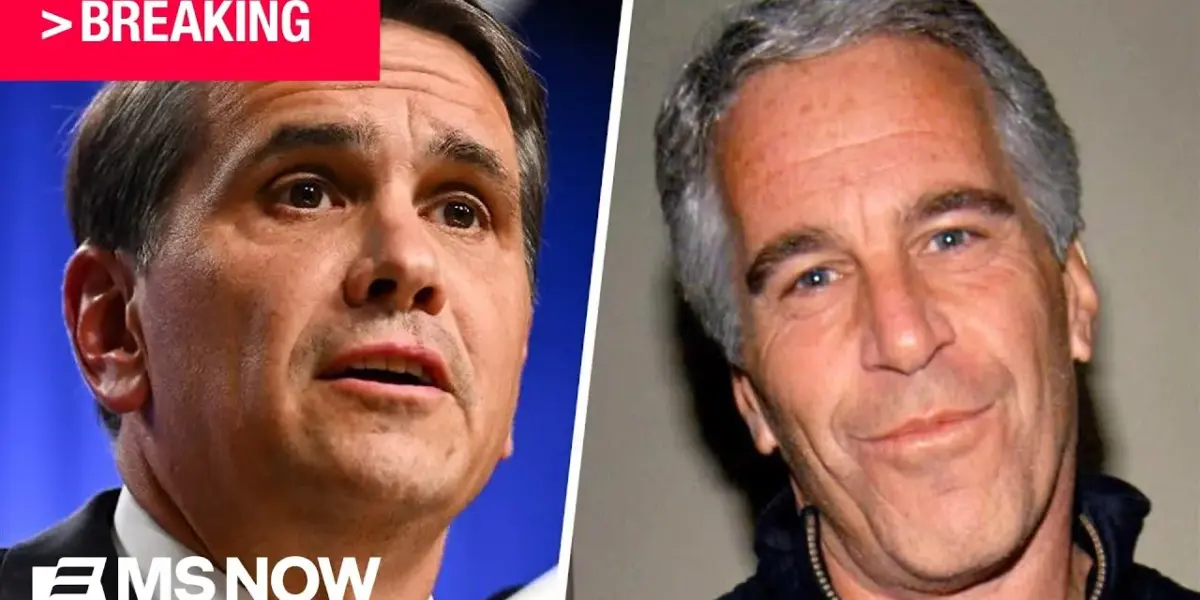
DOJ Watchdog Reviews Epstein Files Law Compliance
The Department of Justice’s internal watchdog is launching a review into whether the department followed a law requiring the release of documents related to the Jeffrey Epstein and Ghislaine Maxwell cases. This action comes after months of complaints from survivors and their legal teams who allege the DOJ has not fully complied with the Epstein Files Transparency Act. The Office of the Inspector General will now examine the process of collecting, reviewing, and releasing these sensitive documents.
Survivors Raise Concerns Over Redactions and Withheld Documents
Survivors of Epstein and Maxwell have voiced significant concerns for months regarding how the documents were handled. They claim that certain information was improperly redacted, while other details that should have been kept private were made public. These issues have led to frustration and a feeling that justice is being obstructed.
Further complicating matters is the vast number of documents involved. The acting attorney general, Todd Blanche, stated that his team gathered and reviewed approximately three million pages.
However, the department decided many of these pages were either not relevant to the act or should be withheld for other reasons. These reasons often cited include deliberative process privilege or attorney-client privilege, claims that the Epstein Files Transparency Act itself does not recognize.
Inspector General to Scrutinize DOJ’s Handling of Files
The Office of the Inspector General, an independent body within the DOJ, will now investigate these claims. Their review will focus on the entire lifecycle of the Epstein files. This includes how the documents were initially gathered, how they were reviewed for release, and the methods used for redaction and withholding.
The investigation will also look into how the department responded to complaints made after the files were initially produced. Survivors and their lawyers have approached the DOJ with post-production concerns, and the Inspector General will assess the adequacy and timeliness of the department’s reactions to these appeals.
What This Means for Transparency and Justice
This review by the DOJ’s watchdog is seen as a significant development by many who have been closely following the Epstein case. The Epstein Files Transparency Act was intended to bring more light to the complex web of individuals involved in Epstein’s crimes. The law mandates the release of certain documents, aiming to provide clarity and accountability.
The complaints from survivors suggest a potential gap between the law’s intent and the DOJ’s execution. The Inspector General’s findings could clarify systemic issues within the department’s document handling processes. It could also lead to recommendations for improved compliance with transparency laws in the future.
Looking Ahead: The Inspector General’s Report
The Inspector General’s review is expected to be thorough, examining both the procedural aspects and the substantive decisions made regarding the Epstein files. The outcome of this investigation will be crucial in determining whether the DOJ has met its obligations under the law and in addressing the ongoing concerns of survivors. The public will be watching closely for the findings and any subsequent actions taken by the Department of Justice.
Source: BREAKING: Watchdog reviews DOJ's compliance with Epstein files law (YouTube)

Related Articles


Trump’s Shadow: Did He Halt Epstein File Release?
New claims suggest Donald Trump actively worked to block the release of Jeffrey Epstein files. Accounts point to direct orders from Trump to his administration, contradicting narratives that blame others like Pam Bondi.

DOJ Indicts SPLC, Organization Vows Fight, Calls Charges ‘Political’
The Department of Justice has indicted the Southern Poverty Law Center (SPLC) on charges including wire fraud and money laundering, allegations the organization calls "nakedly political." SPLC supporters argue the indictment unfairly focuses on the group's practice of paying informants, ignoring its broader work dismantling hate groups. This action marks a significant shift, as the DOJ previously collaborated with the SPLC to identify extremist organizations.

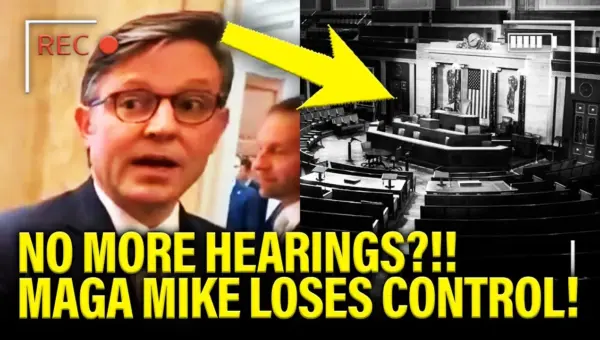
GOP Leaders Halt Hearings, Duck Epstein Probe
House Republican leaders, including Speaker Mike Johnson and Oversight Chair James Comer, are reportedly moving away from formal committee hearings towards informal roundtables. This shift aims to avoid subpoenas, particularly in the Jeffrey Epstein investigation. The discussions also involve potential pardons for Ghislaine Maxwell, sparking criticism from Democrats.