GOP Leaders Halt Hearings, Duck Epstein Probe
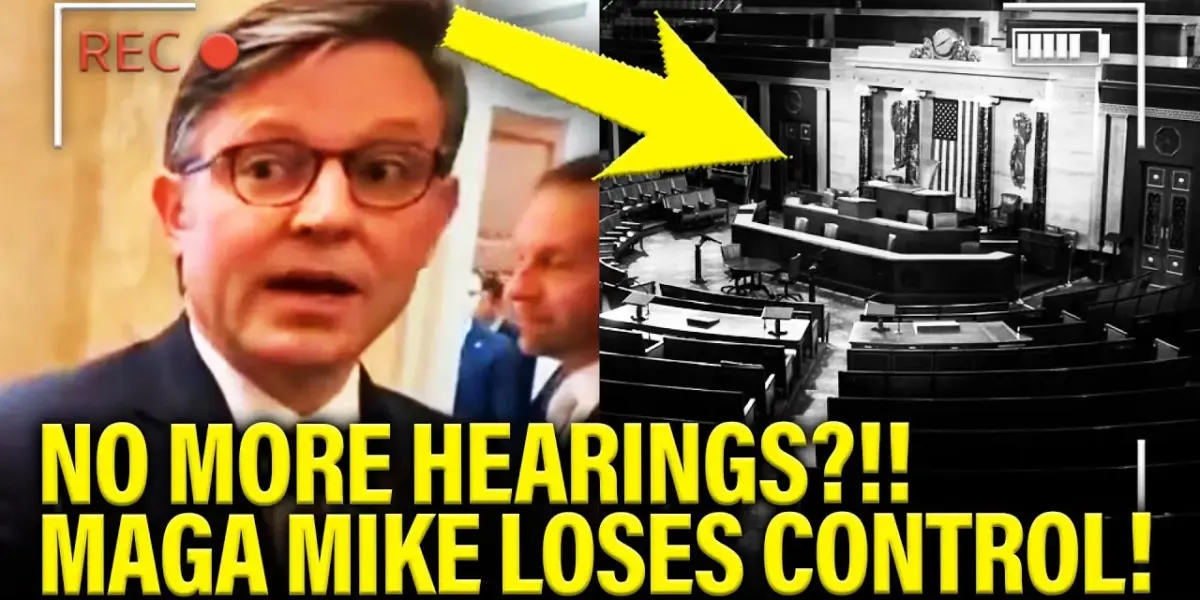
House Republican leaders, including Speaker Mike Johnson and Oversight Chair James Comer, are reportedly moving away from formal committee hearings towards informal roundtables. This shift aims to avoid subpoenas, particularly in the Jeffrey Epstein investigation. The discussions also involve potential pardons for Ghislaine Maxwell, sparking criticism from Democrats.

GOP Leaders Halt Hearings, Duck Epstein Probe
House Republican leaders are reportedly trying to shut down formal committee hearings, especially concerning the Jeffrey Epstein investigation. This move, spearheaded by Speaker Mike Johnson and Oversight Committee Chair James Comer, aims to replace these official sessions with informal roundtables. The goal appears to be avoiding further subpoenas and limiting Democratic influence on investigations.
Democrats on the House Oversight Committee have voiced strong opposition to this shift. They argue that informal roundtables lack the accountability of formal hearings, as they don’t involve sworn testimony or the possibility of issuing subpoenas. Ranking Member Robert Garcia stated that this change is a direct response to Democrats successfully forcing bipartisan subpoena motions related to the Epstein case.
Maxwell Pardon Discussions Surface
Adding to the controversy, James Comer admitted to Politico that many Republicans on his committee are open to offering a pardon to Ghislaine Maxwell. Comer suggested this could encourage her to share information with Congress.
While he declined to name specific individuals, he indicated a split within the committee on the matter. Democrats, however, have made it clear they do not support a pardon for Maxwell.
The possibility of a pardon for Maxwell, a convicted sex trafficker, has drawn sharp criticism. Democrats believe this signals a Republican effort to avoid deeper scrutiny into the Epstein affair and potentially protect individuals connected to it. The timing of these discussions, alongside the move to informal roundtables, fuels concerns about transparency and accountability in congressional investigations.
Concerns Over Misconduct Allegations
The reported actions by Republican leadership coincide with ongoing discussions about misconduct allegations against some Republican members. Speaker Mike Johnson has faced questions regarding Representative Cory Mills, who is dealing with restraining orders and serious allegations from women. Johnson has stated that Mills is undergoing a due process review and that he supports all incumbent Republicans seeking re-election.
Democrats argue that the shift away from formal hearings is an attempt by Republican leadership to shield members from accountability, particularly in cases involving serious allegations. They point to the fact that seven bipartisan motions have led to 18 subpoenas since July 2025, all opposed by Republican leadership. This suggests a pattern of avoiding investigations where bipartisan consensus might lead to unfavorable outcomes for Republicans.
Broader Implications and Historical Context
The move away from traditional hearings is described by Democrats as having little precedent in modern congressional history. They contend that informal roundtables eliminate rules, accountability, and official records, hindering Congress’s ability to uncover truth and hold powerful individuals accountable. This procedural change could significantly impact the depth and breadth of congressional oversight.
Historically, congressional committees have relied on formal hearings and subpoena power to conduct thorough investigations. This mechanism allows for sworn testimony, cross-examination, and the collection of evidence. Replacing these with informal sessions could weaken Congress’s role as a check on executive power and other institutions, potentially allowing misconduct to go unaddressed.
Why This Matters
The actions taken by House Republican leadership raise critical questions about the future of congressional oversight and accountability. By moving towards informal proceedings and appearing to consider pardons for individuals involved in high-profile cases, they risk undermining public trust in government institutions.
The ability of Congress to conduct independent investigations is a cornerstone of American democracy. If this power is weakened or circumvented through procedural maneuvers, it becomes harder to expose corruption, hold powerful people accountable, and protect vulnerable populations. The focus on avoiding subpoenas and potentially granting pardons suggests a desire to control narratives rather than uncover facts.
Trends and Future Outlook
This situation reflects a broader trend of increasing political polarization impacting legislative processes. When investigations become highly politicized, the focus can shift from seeking truth to scoring political points or protecting party members.
The future of congressional oversight may depend on whether bipartisan cooperation can be restored for investigative purposes. The Democrats’ public memo and statements indicate a determination to push back against these procedural changes. The effectiveness of future investigations will likely hinge on the public and media’s continued scrutiny of these practices.
Epstein Case Developments
Separately, Ghislaine Maxwell recently sent a mysterious USB drive to the Justice Department. This occurred after her amended motion to vacate her conviction and sentence was filed. The contents of the drive and its potential impact on her case remain unclear, but it adds another layer of intrigue to the ongoing Epstein saga.
The Justice Department has requested an extension to respond to Maxwell’s motion, indicating the complexity of the legal proceedings. These developments highlight the persistent public interest in the Epstein case and the individuals associated with it.
Conclusion
The current approach by House Republican leaders to committee proceedings and investigations is a significant departure from established norms. The decision to suspend formal hearings in favor of informal roundtables, coupled with discussions about pardoning Ghislaine Maxwell, signals a concerted effort to control the flow of information and limit accountability.
As these events unfold, the public and media will be watching closely to see how these procedural shifts impact the pursuit of truth and justice. The actions of Speaker Johnson and Chairman Comer will be crucial in determining the effectiveness of congressional oversight moving forward.
Source: MAGA Mike CANCELS HEARINGS as he LOSES CONTROL!!! (YouTube)

Related Articles


GOP Moves to Bury Epstein Links as Dark Past Looms
A stalled lawsuit against Melania Trump and a mysterious USB drive from Ghislaine Maxwell have surfaced amid GOP efforts to halt Epstein-related hearings. Key witnesses are poised to testify, while questions linger about potential pardons and the suppression of information.

Dem Rep. Garcia Slams GOP for ‘Fake Hearings,’ Vows Accountability
Representative Ritchie Torres condemned Republican lawmakers for holding "fake hearings" and vowed future accountability for those causing harm. He announced Democrats would not participate in what he called "B.S." roundtables, calling for a return to actual oversight. Torres also raised concerns about government overreach and the targeting of organizations and individuals.

Democrats Blast GOP Over Epstein Probe; Subpoena ‘Legally Binding’
House Oversight Committee Democrats are accusing Republican leadership of undermining the Jeffrey Epstein investigation by replacing official hearings with informal roundtables. Ranking Member Congressman Robert Garcia stated that Pam Bondi's subpoena to testify is legally binding, regardless of Republican support for contempt proceedings. Democrats vow to continue their fight for justice and transparency.