US Military Strength: Tactical Wins, Strategic Gaps?
The U.S. military demonstrates incredible tactical skill, capable of executing complex missions. However, this prowess is often undermined by unclear political goals and shifting strategies set by civilian leadership. Experts argue that holding elected officials accountable for these decisions is crucial, as the military cannot compensate for flawed governance.

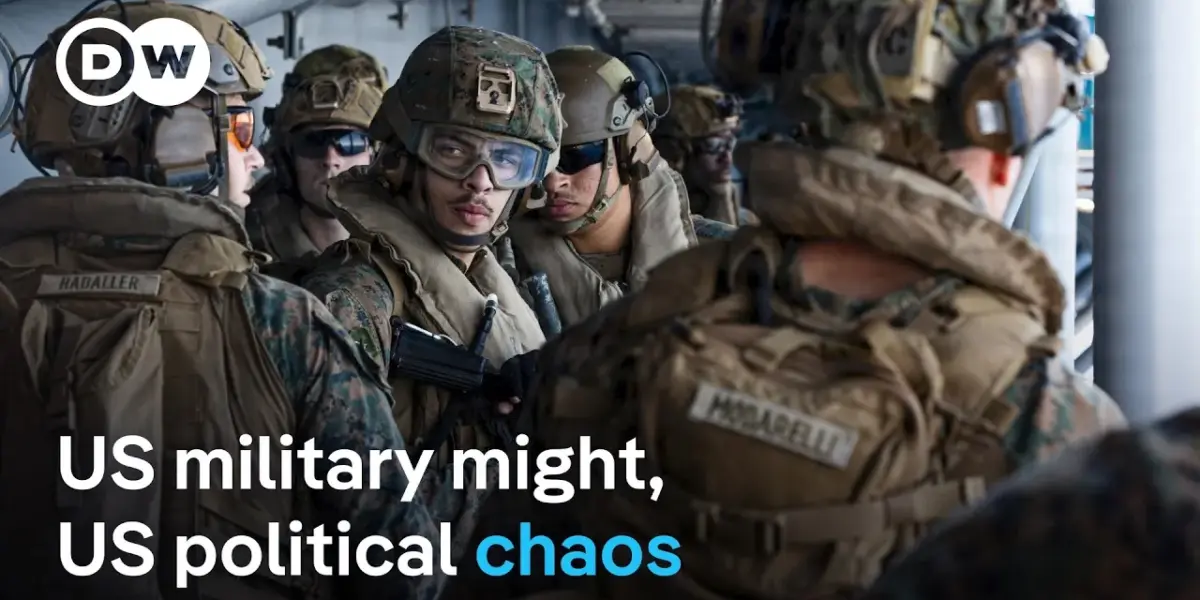
US Military’s Power: A Tale of Two Extremes
The United States military can achieve seemingly impossible feats one moment, only to appear unfocused the next. This dramatic swing in American competency leaves many wondering how such a powerful force can be so effective in some situations and so muddled in others. Experts point to a complex relationship between battlefield success and civilian leadership’s strategic direction.
Tactical Brilliance Meets Strategic Ambiguity
One moment, the U.S. can orchestrate operations like extracting a leader from a foreign country or rescuing downed airmen from deep within enemy territory. These are incredible tactical achievements, showcasing the military’s skill and bravery. However, these successes can be followed by pronouncements that seem disconnected from achievable goals, such as threatening to reduce an entire nation to the “Stone Age.” This contrast highlights a critical issue: while the military excels at executing difficult missions, connecting those missions to clear political objectives proves challenging.
Civilian Control: The Foundation of American Military Power
Kori Schake, a scholar at the American Enterprise Institute and author of “The State and The Soldier,” explains that the American system is built on the principle of complete civilian control over the military. The President, as Commander-in-Chief, sets the strategy and allocates resources. The military’s role is to carry out the orders given, doing their best with the tools and goals provided by political leaders. This structure is fundamental to American democracy.
The Challenge of Ill-Defined Goals and Inadequate Resources
Often, especially in recent conflicts, the political goals set by civilian leaders are not clearly defined. These ambitious aims are frequently coupled with insufficient resources to achieve them. This creates a difficult environment for the military, which is tasked with achieving broad objectives with limited means. The result can be missions that are tactically brilliant but strategically adrift.
Shifting Political Objectives Complicate Military Strategy
The situation becomes even more complex when civilian leadership, particularly the President, frequently changes objectives. For instance, in the context of Iran, objectives have shifted from regime change to destroying nuclear capabilities, and then to simply ensuring oil flow. Military leaders, like General Keane, try to maintain focus on achievable military objectives. However, they often find themselves competing with grander, more aspirational statements from the President, Secretary of Defense, and National Security Advisor. This disconnect means the military constantly tries to align its actions with achievable goals, while civilian leaders pursue more expansive visions.
The Burden of “Lawful but Awful” Orders
Schake identifies three categories of military orders. The first is a dangerous but lawful order, which must be obeyed. The second, and most problematic, is a “lawful but awful” order. These are actions that may have questionable legality but are deemed legal by civilian leadership, often after overruling military lawyers. Examples include certain boat strikes or the Venezuela operation. In these cases, military personnel are placed in a difficult position. If they refuse an order deemed legal by the Justice Department’s top lawyers, they risk court-martial. Schake argues this unfairly burdens soldiers with preserving legality, a responsibility that should rest higher up with civilian leaders.
The “Unprincipled Principle” and Military Effectiveness
The military operates on the assumption that orders are legal and ethical. When civilian leaders issue orders that are questionable or change frequently, it challenges this foundational principle. Military ethicists refer to this as the “unprincipled principle.” An effective military requires a consistent understanding of its mission and the legality of its orders. Constant adjudication of orders during operations can undermine the military’s ability to function effectively.
Citizen Accountability: The Military Cannot Save Us
Ultimately, Schake emphasizes that the military cannot shield the public from the consequences of electing certain leaders. It is not the military’s job to save the nation from poor political decisions. Instead, she argues, it is the responsibility of citizens to hold civilian leaders accountable for their choices. This means voters and concerned individuals must actively engage and demand responsible governance, rather than expecting the military to correct flawed policies.
The Commander-in-Chief: A Variable Factor
The core issue, as Schake sees it, is that the U.S. military operates with remarkable consistency. However, it is led by a Commander-in-Chief who is elected every four years and can possess widely varying leadership qualities. This variability in elected leadership is the primary reason for the dramatic swings in perceived American competency on the world stage, making the nation appear unstoppable one moment and struggling the next.
Source: Why American power looks overwhelming one moment and unfocused the next | DW News (YouTube)

Related Articles


Trump’s Iran Deal Talk: A Mirror of His Own Desires?
Donald Trump's repeated claims that Iran "wants a deal very badly" might be more about his own desire for an agreement than Iran's. This analysis explores his rhetoric and its potential implications for foreign policy.


GOP Faces Voter Discontent Over War, Diminished Support
Republican lawmakers are noticing growing voter discontent, particularly among younger demographics, regarding the ongoing war. This sentiment, coupled with economic pressures, could lead to diminished support and turnout in the upcoming midterm elections. The party faces significant challenges in messaging and addressing voter concerns.

UK Defence Faces ‘Embarrassment’ Amid Funding Gaps
Britain's defense capabilities are facing severe criticism, with experts calling the current state an "embarrassment" due to significant funding gaps and a lack of preparedness for modern warfare. Despite strong rhetoric, the government is urged to make tough decisions on defense spending, which faces a £28 billion shortfall, to address growing global threats. The article explores the disconnect between political statements and actual investment, the evolving nature of warfare, and the challenges of public perception and political will in securing national security.