Council Tax Debt Rules Eased After Martin Lewis Campaign
New rules from April 2027 will give people more time to pay council tax if they fall behind, following a campaign by Martin Lewis. The changes include waiting at least 63 days before demanding full annual payment and capping admin costs. Additionally, council tax payment plans will default to 12 monthly installments, and standardized forms will simplify claims for severe cognitive impairment discounts.

Council Tax Debt Rules Eased After Martin Lewis Campaign
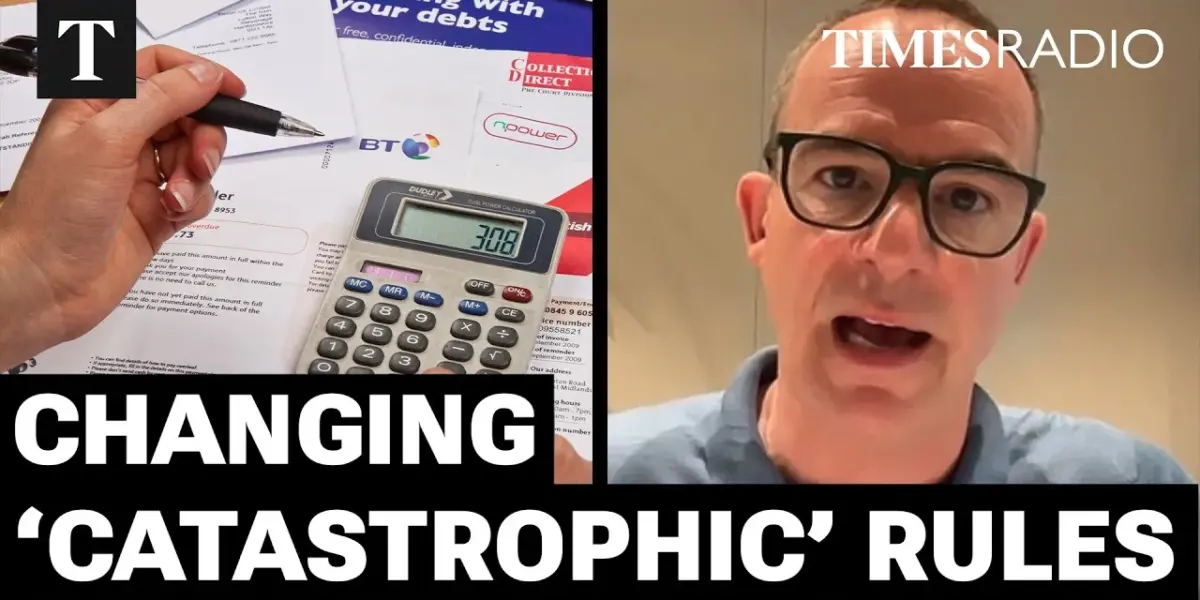
New rules will give people more time to pay their council tax if they fall behind, following a long campaign by consumer expert Martin Lewis. The changes, set to begin in April 2027, aim to make the debt collection process less harsh and damaging for individuals. For years, the system has been criticized as overly aggressive, with people facing severe financial penalties after missing just one payment.
Harsh System Under Fire
Council tax debt collection has been described as the most damaging and catastrophic form of debt collection. Currently, if someone misses a single monthly payment, councils can demand the entire year’s bill within three weeks. Following this, bailiffs can be sent to collect the debt within another three weeks, creating a six-week window from missing one payment to facing potential ruin.
Martin Lewis highlighted the severe impact of this system, recalling a case where a person received their bill on Christmas Eve and was expected to pay the full year by Christmas Day. This led to the individual taking out a high-interest loan, causing long-term financial problems. He noted that this harsh system disproportionately affects younger people, those with mental health issues, and individuals who are often less able to voice their concerns.
Key Changes Announced
The new regulations will introduce significant improvements:
- Extended Payment Window: Councils must now wait at least 63 days before demanding the full annual payment from someone who has missed a single monthly installment. This provides a crucial “breathing space” period, similar to that offered in formal debt counseling.
- Capped Admin Costs: The administrative fees added to council tax arrears, which can typically reach £150 when bailiffs are involved, will be capped at £100.
- Signposting to Help: Starting in April 2027, councils will be required to direct individuals who have missed a payment to sources of financial help and advice. This proactive approach aims to help people manage their finances and resolve debts more effectively.
While Lewis would have preferred a longer waiting period and lower cost caps, he called the changes a “monumental step forward” after 33 years without reform. He believes these changes will significantly reduce the number of people facing bailiffs, a situation that affects over a million households annually.
Broader Changes to Council Tax Payments
Beyond debt collection, two other changes to council tax payments are being introduced:
- Shift to 12 Monthly Payments: The default payment schedule for council tax will move from 10 monthly payments (with two months off) to 12 monthly payments. This change will begin in April 2027 for new property occupants and in April 2028 for all residents. The aim is to provide a more consistent payment structure throughout the year.
- Option to Keep 10-Month Plan: Importantly, residents will still have the option to remain on the 10-month payment plan if they prefer it. The shift to 12 months is only the default setting.
Support for Severe Cognitive Impairment
Another significant campaign win involves changes to the council tax discount for individuals with severe mental impairment. This discount allows those with conditions like Alzheimer’s, dementia, or severe strokes to be disregarded for council tax purposes. If living with others, the household effectively gets a discount; if living alone, they pay no council tax.
Previously, claiming this discount was difficult due to a lack of standardized forms, with each council having its own complex and often under-publicized application process. This made it hard for charities and health agencies to guide people. The government has now announced a standardized form for all councils, simplifying the application process and improving guidance for those needing support. The term “severe mental impairment” is also being changed to “severe cognitive impairment” to reduce stigma, though further improvements to the name are still being discussed.
Looking Ahead
These reforms represent a significant improvement to a system that has long caused hardship. While not a perfect solution, the extended payment windows, capped costs, and mandatory signposting to debt advice are expected to greatly benefit millions of people struggling with council tax debt. The shift to 12 monthly payments and the standardized forms for severe cognitive impairment discounts also offer greater financial clarity and accessibility for residents. The focus now will be on the smooth implementation of these changes from April 2027 and continued efforts to ensure consistent backdating of discounts across all councils.
Source: Martin Lewis: How Council Tax Is Changing – And What It Means For You (YouTube)

Related Articles


Social Security: Don’t Let Small Mistakes Cost You Big
Many people make costly mistakes with Social Security by not understanding their full retirement age or the impact of claiming early. Expert Lawrence Sprung advises checking ssa.gov, considering spousal benefits, and saving independently for retirement. Future changes are likely, but careful planning can maximize your benefits.


Airlines Pocket Millions From Strict Baggage Rules
Airlines are earning millions daily from strict baggage rules, charging extra for larger bags or fining passengers who don't comply. Staff may receive bonuses for catching oversized items, leading to concerns about inconsistent enforcement and high fees for travelers. However, new European Parliament proposals could mandate larger free cabin baggage sizes, potentially altering the industry's revenue model.


Stop Tax Season Panic: Plan All Year Long
Tax season doesn't have to be a stressful scramble. Financial expert Lawrence Sprung advocates for year-round tax awareness and planning. By organizing documents and making proactive adjustments, you can reduce errors, avoid penalties, and gain peace of mind throughout the year.