AG’s Shocking Defense: Trump’s DOJ is a ‘Good Thing’!
Acting Attorney General Todd Blanch's comments suggest the Department of Justice should openly serve the president's political agenda. This radical departure from tradition raises alarms about the politicization of justice and its impact on democracy.

AG’s Shocking Defense: Trump’s DOJ is a ‘Good Thing’!
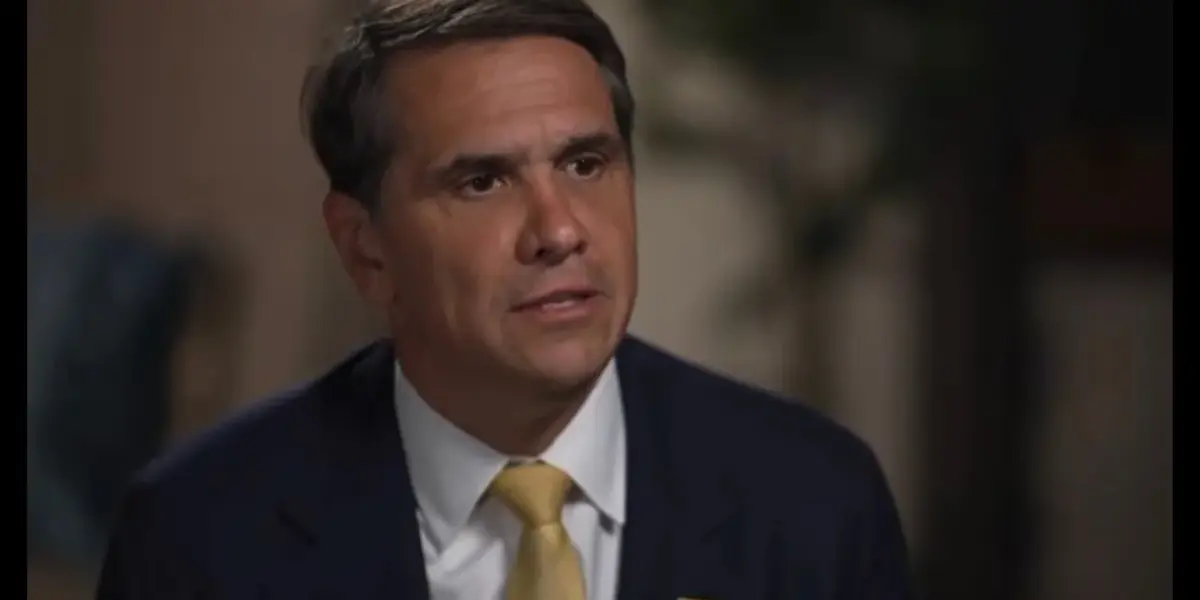
The role of the Attorney General is to uphold the law and ensure justice for all. But what happens when the Attorney General seems to openly embrace the idea that the Department of Justice (DOJ) should act as a tool for the president’s personal agenda? This is the alarming scenario discussed in a recent analysis of comments made by acting Attorney General Todd Blanch. His statements suggest a radical shift in how the DOJ might operate, moving away from perceived neutrality and towards explicitly serving the president’s political goals.
A New Definition of Duty?
The core of the discussion revolves around a message President Trump reportedly sent to his then-Attorney General, Pam Bondi, in September. The message urged Bondi to charge former FBI Director James Comey. When asked about such a message, acting Attorney General Todd Blanch offered a surprising defense. He stated that he would do exactly what was done before, implying that such presidential directives are normal. He even went further, suggesting that Americans should be happy that the president is so involved. Blanch believes that a president who sets an agenda and expects his cabinet to stick to it is a good thing.
“I want a president that actually sets his agenda and then sticks to it.” – Todd Blanch
This perspective is a stark contrast to the traditional view of the DOJ as an independent entity, shielded from direct political influence. Blanch, however, seems to argue that the president’s involvement is not only acceptable but a sign of strong leadership. He suggests that if the DOJ weren’t doing great work, the president would call him out. This framing suggests a direct line of accountability from the president to the Attorney General, with political objectives at the forefront.
Weaponizing Justice as a Virtue?
Mark Elias, a legal analyst, viewed Blanch’s comments with alarm. He pointed out that Blanch, a criminal defense lawyer, understands that denying the obvious is difficult. Instead of denying Trump’s alleged weaponization of the DOJ against political opponents, Blanch seems to be reframing it as a positive. Elias noted that Blanch previously suggested it was Trump’s duty to go after his political enemies. Now, he appears to be saying that everyone should be happy that the DOJ is being used for this purpose. Elias described Blanch as a more dangerous figure than Bondi because he openly embraces these actions.
Elias expressed concern that Blanch’s approach could encourage Trump’s supporters and be embraced by them. He fears that the legacy media might not adequately challenge these statements. The idea that the DOJ should act as an extension of the president’s will, rather than an independent arbiter of justice, is a deeply troubling prospect for many. This aligns with a broader critique that the DOJ under Trump has been used to target political rivals.
The Speed of Justice, or Injustice?
A key point of contention is Blanch’s apparent frustration that things are moving too slowly. Elias argued that this perspective stems from a predetermined conclusion: to go after Trump’s political enemies. If the goal is already set, then any pace that isn’t immediate will feel too slow. Elias suggested that this mindset ignores facts and the law, focusing solely on punishing perceived opponents. He described Blanch, a former federal prosecutor and judge’s clerk, as someone who has compromised his career to please Trump.
Elias predicted that this approach would lead to cases with little or no evidence moving forward, simply to punish political opponents through the legal process. He urged people to be aware of this reality and to not normalize it, but to call it out. The goal, he stated, should be to secure democracy and ensure fair elections, working towards the end of the Trump era through various means, including elections and potential impeachment.
Historical Context: A Tale of Two Approaches
The discussion also drew a contrast between the current situation and past administrations. Elias recalled an incident involving former President Bill Clinton and then-Attorney General Loretta Lynch. They met briefly on a tarmac, and this encounter was treated as a major scandal by conservative media. This led to a situation where subsequent Attorneys General, like Merrick Garland under President Biden, became overly cautious to avoid any appearance of political influence. This caution, Elias argued, resulted in Trump being treated more leniently than he might have been otherwise.
The implication is that while previous administrations may have erred on the side of extreme caution to maintain the DOJ’s independence, the current approach, as articulated by Blanch, is to abandon that caution entirely. The fear is that this embrace of overt political influence could erode public trust and the rule of law. The contrast highlights how the perception and handling of potential conflicts of interest within the DOJ have evolved, or perhaps devolved.
Why This Matters
The statements made by Todd Blanch are significant because they appear to signal an open acceptance of using the Department of Justice for political ends. This is a fundamental departure from the principle of an independent justice system that serves the nation, not just the president. If the DOJ is seen as a partisan weapon, it undermines the very foundation of American democracy. It suggests that legal processes can be manipulated to target opponents, creating a chilling effect on political dissent and fair competition.
Implications and Future Outlook
The implications of this shift are profound. It could lead to an increase in politically motivated investigations and prosecutions. It also raises questions about the fairness of the legal system and the impartiality of law enforcement. For those who believe in the rule of law and democratic norms, Blanch’s comments are a call to action. They suggest that vigilance and vocal opposition are necessary to prevent the further politicization of the justice system.
The future outlook is uncertain. If this approach becomes the norm, it could lead to a deeply divided and unstable political environment. The ability of the DOJ to act as a trusted, neutral enforcer of the law would be severely compromised. The hope expressed by analysts like Elias is that by calling out these actions and raising public awareness, the trend can be reversed, and the institutions of democracy can be protected.
A Call to Action
The conversation underscores the importance of independent journalism and legal analysis in holding power accountable. Resources like Democracy Docket and independent media creators are highlighted as crucial for informing the public about these critical issues. The promotion of a book by Brian Tyler Cohen, which addresses threats to democracy, further emphasizes the need for citizens to be informed and engaged. The message is clear: understanding these developments and actively defending democratic institutions is more important than ever.
Source: “Five alarm fire!” Trump’s new attorney general drops INSANE threat (YouTube)

Related Articles


Trump’s Grip Weakens as Allies Falter, Democracy’s Future Hinges
Donald Trump's approval ratings are plummeting, even among his core supporters, signaling a potential collapse of the MAGA movement. Global events, like Hungary's shift to democracy, and domestic economic woes are fueling discontent and opening doors for broader political coalitions.


Trump’s Economy Faces Recession Warnings Amid Global Fears
Global recession fears are intensifying as the IMF issues stark warnings, while a Harvard academic predicts a trillion-dollar taxpayer burden for the U.S. The Trump administration, however, continues to project optimism, creating a notable contrast with expert analyses. This divergence highlights critical questions about economic preparedness and the potential impact of global instability on American taxpayers.

Justice Dept. Accused of “Weaponizing” Justice System
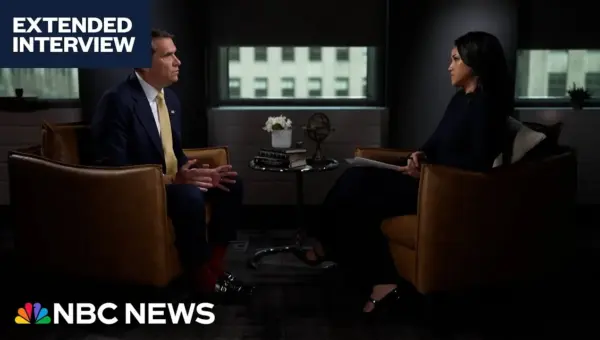
The U.S. Department of Justice is facing serious allegations of "weaponizing" its power, with claims that "pro-life" activists were unfairly targeted. Acting Attorney General Todd Blanche discussed a new report detailing concerns over prosecutorial discretion and tactics used in investigations. The department also addressed its handling of the Jeffrey Epstein case and clarified its stance on protests versus violent actions.