Trump’s Late-Night Posts Spark Stability Concerns
Donald Trump's recent late-night social media activity, featuring attacks on historical figures and political rivals, has sparked renewed debate about his stability. This analysis explores the erratic rhetoric, the role of allies, and the broader context of global and domestic anxieties.

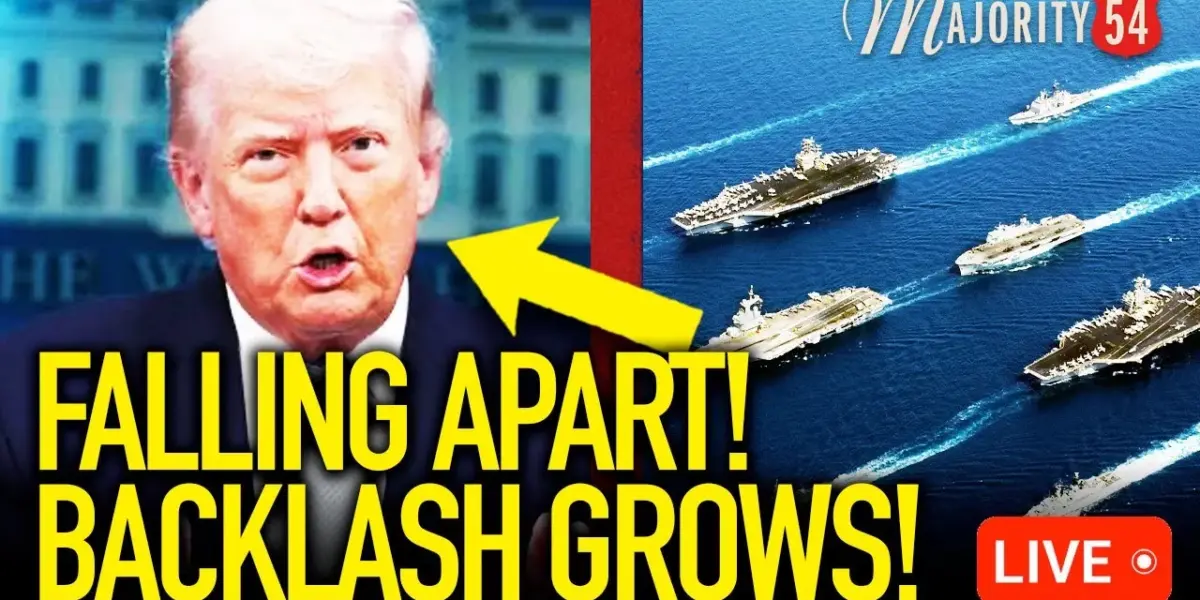
Trump’s Late-Night Posts Spark Stability Concerns
Recently, former President Donald Trump unleashed a flurry of late-night social media posts that have raised questions about his public demeanor and stability. This barrage included attacks on historical figures, international alliances, and political rivals, leading to discussions about the state of his inner circle and the messages he’s sending.
Analyzing the Erratic Rhetoric
The late-night posts, described as an “erratic spiral,” featured a wide range of targets. Among them was an unusual attack on Pope Leo XIV, a figure from the 15th century, alongside criticism of NATO and various political opponents. This broad and seemingly random nature of the attacks has drawn significant attention.
The Role of Allies and Distancing
Figures within Trump’s orbit, such as J.D. Vance, appear to be navigating these outbursts. Reports suggest Vance has distanced himself from some of the more controversial statements, like those targeting the Pope, while still aiming to promote the broader Trump administration’s agenda. This dynamic highlights the challenges allies face in managing Trump’s public messaging.
Broader Context: Global and Domestic Anxieties
These recent events do not occur in a vacuum. The discussions surrounding Trump’s behavior are happening alongside growing global tensions, particularly with Iran. Stalled negotiations and economic worries at home, including rising inflation and concerning consumer sentiment data, add to a general sense of unease. This complex backdrop makes the scrutiny of political leaders’ stability even more critical.
Lessons from International Shakeups
Adding another layer to the analysis, there’s a look at how recent international political shifts can inform the U.S. response to authoritarian movements. Experts are examining these global trends for insights into countering rising authoritarianism and understanding the backlash against new technologies like AI data centers, which are also facing growing opposition across the country.
Why This Matters
The public communication style of political leaders, especially those seeking or holding high office, directly impacts public perception and trust. When a prominent figure like Donald Trump engages in what is perceived as erratic behavior, it can create uncertainty and fuel political division. Understanding the motivations behind such actions, the reactions of allies, and the broader societal context is crucial for voters trying to make informed decisions. The analysis suggests a need to look beyond the immediate outbursts to understand the underlying pressures and strategies at play.
Implications and Future Outlook
The ongoing pattern of Trump’s communication style raises questions about its effectiveness and long-term impact. For his supporters, these moments might be seen as authentic and direct. However, for a broader audience, they can be interpreted as signs of instability or a lack of focus, potentially alienating undecided voters. The trend also points to a political environment where highly charged, often unconventional, communication continues to dominate headlines, potentially overshadowing substantive policy discussions.
Historical Context
Donald Trump’s presidency was marked by frequent use of social media to communicate directly with his base, often bypassing traditional media outlets. This approach allowed him to control his narrative but also led to numerous controversies and criticisms regarding the content and tone of his posts. The current “spiral” can be seen as a continuation of this established pattern, amplified by the current political climate and the proximity to potential future elections.
Countering Authoritarianism and AI Backlash
The discussion also touches on important contemporary issues beyond immediate political drama. Examining international examples of how democracies have pushed back against authoritarian tendencies offers valuable lessons for the U.S. Furthermore, the growing public concern and backlash against the proliferation of AI data centers highlight a societal grappling with the rapid advancement of technology and its impact on communities and the environment. These issues are becoming increasingly intertwined with the broader political conversation.
Source: LIVE: Trump SPIRALS in LATE-NIGHT TANTRUM (YouTube)

Related Articles
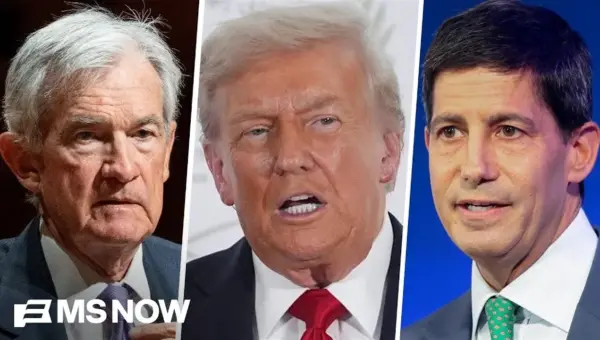
Trump Threatens Fed Chair Powell, Faces Nomination Blockade
President Trump is threatening to fire Fed Chair Jerome Powell over a renovation probe, creating a political stalemate. Senator Tom Tillis is blocking Trump's nominee, Kevin Warsh, until the investigation concludes. Warsh himself faces scrutiny over his vast personal wealth, estimated between $135-226 million, raising conflict of interest concerns.

Trump’s Grip Weakens as Allies Falter, Democracy’s Future Hinges
Donald Trump's approval ratings are plummeting, even among his core supporters, signaling a potential collapse of the MAGA movement. Global events, like Hungary's shift to democracy, and domestic economic woes are fueling discontent and opening doors for broader political coalitions.

Trump’s Jesus Image Backfires, Staged Delivery Fails
Donald Trump's attempt to control the narrative after posting a Jesus-like image backfired spectacularly. A staged DoorDash delivery event meant to highlight economic policy instead drew scrutiny due to its implausibility and the exaggerated savings claimed.