President’s Words: A Line Crossed?
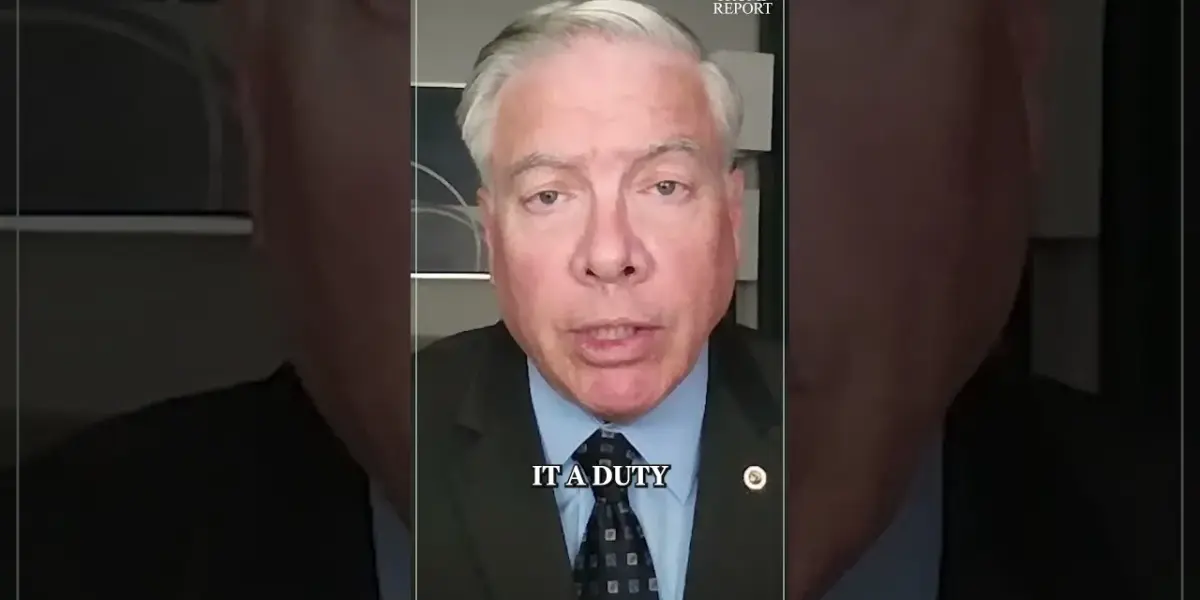
Claims about a president telling a congresswoman it was her fault if her child was harmed raise serious questions about presidential duty and speech. The president's role as protector of all citizens is paramount, and such alleged words would go against this core responsibility.

President’s Words: A Line Crossed?
Sometimes, the things leaders say can feel shocking, even when we think we’re used to them. Donald Trump often makes statements that grab headlines.
People react in different ways, sometimes accepting his style and other times calling him out. But what happens when a president’s words seem to cross a line into something truly disturbing?
Recently, claims have surfaced, reportedly from Representative Marjorie Taylor Greene, about a conversation with the president. If these claims are true, they suggest a president told her it was her fault if her child were to be harmed. This idea is deeply unsettling for anyone in a position of power, especially the president.
The President’s Duty
The president holds a key role as the chief law enforcement officer and a protector of all citizens. This duty to protect everyone, no matter their political views or personal feelings, is a core part of the job. Saying something that suggests blame for harm to a family member would go against this fundamental responsibility.
It’s important to consider the source of such claims, and the speaker’s own history. The person sharing this account has a record of making controversial statements. However, even setting that aside, the alleged words themselves are what demand attention and raise serious questions about the limits of presidential speech.
Beyond Politics: A Moral Question
Regardless of personal opinions about any political figure, the core issue remains the same. A president has a duty to ensure the safety and protection of all, including members of Congress and their families. Making remarks that could be interpreted as threatening or blaming them for potential harm is deeply problematic.
Such statements, if they occurred as reported, could have legal consequences down the road. But even more, they raise a moral question about how leaders should speak to and about those they are sworn to protect. The gravity of the alleged conversation cannot be easily dismissed.
Why This Matters
The words of a president carry immense weight. They can influence public opinion, shape national discourse, and even affect the safety of individuals. When those words seem to threaten or blame, it erodes trust and can create a climate of fear.
This situation highlights the ongoing debate about accountability for political leaders. It forces us to consider what standards of behavior and speech we expect from those in the highest office. The public has a right to expect leaders to act with integrity and uphold their duty to protect.
Implications and Future Outlook
The implications of such alleged remarks are significant. They can damage the reputation of the presidency and sow division among the populace. They can set a dangerous precedent for how political disagreements are handled.
Moving forward, it will be crucial to see if any further evidence or clarification emerges regarding this alleged conversation. The public discourse surrounding such events will likely continue to focus on the boundaries of acceptable speech for elected officials. Ultimately, voters will decide how they view leaders who speak in ways that appear to cross ethical or moral lines.
Historical Context
Throughout history, presidents have faced scrutiny over their public statements. From Lincoln’s careful words during the Civil War to FDR’s fireside chats, presidential communication has always been a subject of intense interest. The power of the presidential voice has been used for both unity and division.
In the modern era, with constant media attention, every word spoken by a president is amplified. This increased visibility means that statements that are considered inflammatory or inappropriate can have a wider and more immediate impact. The challenge for any president is to communicate effectively while maintaining a level of decorum and respect for democratic institutions.
Looking Ahead
The standards for presidential conduct and speech are continually being evaluated by the public and by political observers. Events like the one described, whether fully substantiated or not, contribute to this ongoing evaluation. The public’s acceptance or rejection of certain types of presidential rhetoric shapes the future of political communication.
As we move forward, the focus will remain on how leaders use their platform and the impact of their words. The conversation about presidential accountability and the appropriate use of power is far from over.
Source: Can a president ever say something like this — and get away with it? (YouTube)

Related Articles
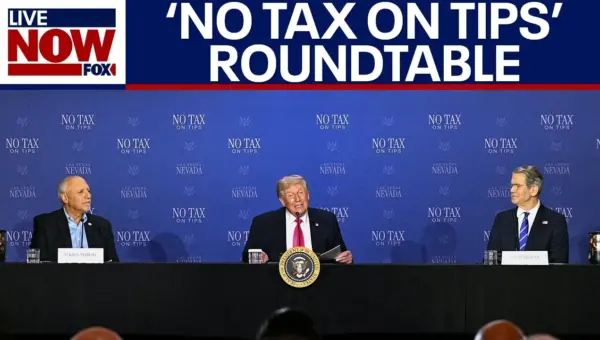
Trump Promotes ‘No Tax on Tips’ in Las Vegas Visit
Former President Donald Trump visited Las Vegas to promote his administration's tax policies, focusing on the elimination of federal tax on tips. He highlighted significant tax refunds for tipped workers and discussed broader tax cuts aimed at families and small businesses. Trump criticized current economic conditions under the Biden administration and urged support for Republican candidates in the upcoming elections.
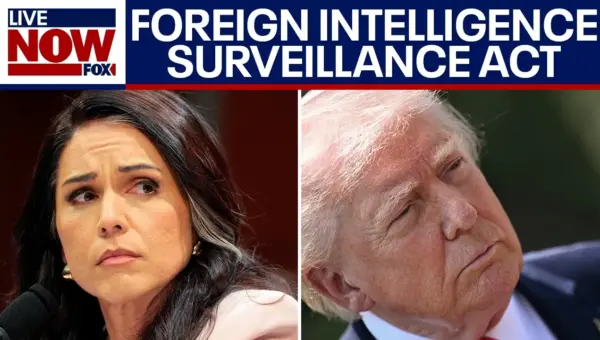
Spy Law Debate: DNI Gabbard Clashed With Trump on Privacy
Director of National Intelligence Tulsi Gabbard reportedly voiced concerns to President Trump about reauthorizing Section 702 of FISA without privacy reforms. The program allows U.S. collection of foreign communications but can sweep up American data. This disagreement highlights ongoing tensions between national security needs and privacy rights as the law faces a critical deadline.
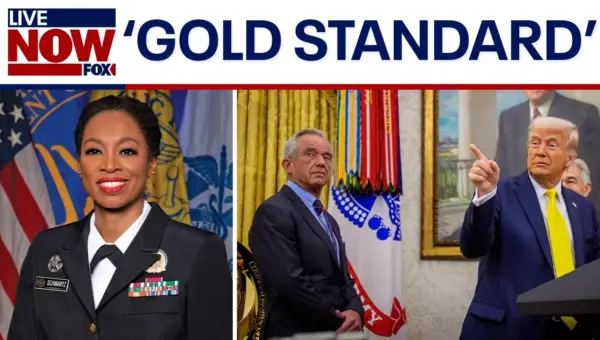
Trump Taps Dr. Erica Schwarz to Lead CDC Amid Midterm Push
President Donald Trump has nominated Dr. Erica Schwarz to lead the Centers for Disease Control and Prevention (CDC). The announcement, made on Truth Social, also included nominations for deputy directors and a senior counselor. This move aims to bring experienced leadership to the agency ahead of the midterm elections.