Ban Social Media for Under-16s, Urges Minister
Minister Kemi Badenoch is leading a charge to ban social media for children under 16, citing addiction and exploitation. Bereaved parents shared their struggles with children's screen time, emphasizing the need for government intervention and a cultural shift. The debate highlights the growing concerns over social media's impact on youth mental health and safety.

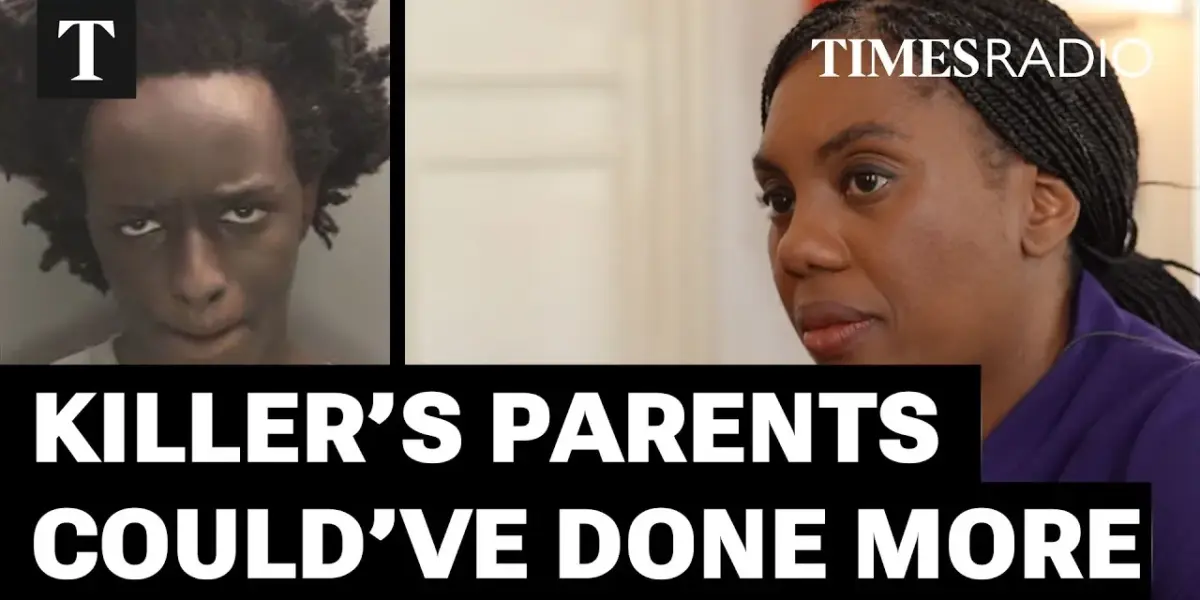
Calls Mount for Stricter Social Media Rules for Minors
A significant push is underway in the UK to restrict social media access for children under 16. Minister Kemi Badenoch is championing a proposal to ban minors from using these platforms, arguing they are designed for adults and are causing widespread harm. The move comes as parents and lawmakers express growing concern over the impact of social media on young people’s mental health, education, and even safety.
The Case for a Ban: Addiction and Exploitation
Minister Badenoch explained that the current children and well-being bill includes an amendment to restrict social media use for those under 16. She believes these platforms are not suitable for young children, with many primary school-aged kids already using them. The current age restrictions set by social media companies are not enough, she stated. These companies are intentionally creating addictive products and profiting from children’s struggles with self-control, anxiety, and depression.
“These platforms are designed to be addictive. They are profiting from children’s inability to control themselves. Quite often profiting from anxiety, depression, and other issues.”
Badenoch emphasized that parents are fighting an uphill battle against these powerful tech giants. She has met many parents who find it impossible to monitor their children’s online activity, leading to ruined family relationships, poor concentration in school, and in tragic cases, loss of life through suicide or murder.
Parental Struggles and Peer Pressure
Esther Jai, a bereaved parent, shared her own difficulties in getting her daughter off her phone. She described the constant struggle, highlighting the addictive nature of these devices and the intense peer pressure children face. When other children have smartphones, they want them too. Badenoch echoed these sentiments, admitting it’s a challenge even for parents in her position.
Badenoch’s own experience as a parent reinforces the need for stronger measures. She has implemented strict rules for her oldest child’s smartphone, including keeping it out of school and requiring permission for app downloads. However, she noted the immense pressure her daughter felt to have a phone at a young age, mirroring the experiences of many other children.
A Cultural Shift is Needed
The goal, according to Badenoch, is to foster a cultural change. This means moving away from the idea that children need smartphones at a young age, or that they must bring them to school. Even when a child has a smartphone, social media should not be a default feature. Implementing laws that create hurdles for accessing these platforms, such as requiring adult permission for purchases or using VPNs, could help shift this culture.
The current situation is damaging children’s relationships with their families, hindering their social skills, and negatively impacting their education. Badenoch argued that there are many other ways for children to socialize and connect, and they should not be detaching from the real world.
Urgency and Cross-Party Support
Esther Jai stressed the urgency of the situation, stating that every moment of delay results in more lives being lost or negatively impacted. She pointed out that children are spending up to 35 hours a week on smartphones, which is equivalent to a full-time job. This attention economy benefits social media companies but takes away from children’s playtime and their ability to simply be children.
She observed children walking home from school, engrossed in their phones and unaware of their surroundings. This disconnect from the real world, she feels, is deeply sad and has long-term implications for society, potentially contributing to issues like youth unemployment.
Both Jai and Badenoch highlighted that this is a cross-party issue, with significant support from peers in the House of Lords. They urged politicians to set aside party differences and work together to protect children.
Message to Tech Giants
Ellen Room, another parent, addressed the upcoming meeting between tech giants and the Prime Minister. She believes these companies are choosing not to do more to protect children and will continue to do so until they are legally compelled. They will not willingly reduce revenue from their platforms. Room argued that tech companies know the harms their platforms cause, citing reports that employees in Silicon Valley often do not allow their own children to use social media.
“It’s time to stop denying that it’s addictive. Stop denying it is harmful and just do the right moral thing and get children off the platforms.”
She drew a stark comparison with TikTok in China, which is used for educational purposes only and has a one-hour daily limit for children. She questioned why platforms produced by these same companies operate so differently in other countries.
Government’s Role and Parental Responsibility
Badenoch affirmed that the government has the capacity to address this issue, even if it wasn’t initially part of their plans. She believes tech companies often influence government decisions by claiming problems cannot be solved. She urged them to do the right thing and not profit from children’s addiction and mental health struggles.
The evidence of harm is already abundant, and further consultation is not needed. Badenoch suggested that while the government might worry about losing investment, other countries are also waking up to these issues, and the UK should be a leader, not a laggard.
Southport Case and Parental Duty
The discussion also touched upon the recent Southport report, which criticized the parents of Axel R. for not doing more to prevent his killings. Badenoch stated that in her view, the parents should have intervened, as they could see their son was planning harmful actions and possessed weapons. She acknowledged the immense difficulty parents face in reporting their own children but stressed the duty to act when a child poses a risk to others.
“If your child can cause other parents to lose their children, as we saw in this circumstance, then you do have a duty,” Badenoch stated. She believes that by not acting, the family of Axel R. allowed their son’s actions to ruin the lives of many other families.
Looking Ahead
As the vote on the social media ban approaches, the debate intensifies. The government faces pressure to implement stronger regulations, while tech companies are being urged to take greater responsibility. The coming weeks will be crucial in determining whether stricter measures will be put in place to protect children from the potential harms of social media and whether a cultural shift away from excessive screen time can be achieved.
Source: Southport Killer’s Parents Could Have Done More To Prevent Atrocities | Kemi Badenoch (YouTube)

Related Articles

Trump’s All-Night Posting Binge Sparks Sanity Fears
Donald Trump's late-night posting sprees on Truth Social are raising serious questions about his cognitive health. Observers compare his erratic behavior and lack of sleep to signs of dementia, sparking national concern. The implications for leadership and stability are significant.


Parents Ignored Machete Warning in Southport Child Murders
A recent inquiry into the Southport child murders revealed that the killer's parents ignored clear warnings, including the ordering of machetes, while social media platforms failed to prevent the spread of harmful content. Experts criticize authorities for not identifying the young offender's violent tendencies, which were fueled by unsupervised online activity. The findings highlight a critical need for better regulation of social media and more robust intervention by authorities to prevent future tragedies.

Trump’s ‘Madman’ Posts and Iran War Raise Mental Health Concerns
Former President Donald Trump's mental fitness is under renewed scrutiny following controversial statements about the Pope and Iran, alongside a former Chief of Staff's reported conclusion of mental illness. His handling of the Iran conflict and a 'Christ-like' social media post are cited as evidence of erratic behavior.