Concerns Mount Over President’s Mental Fitness
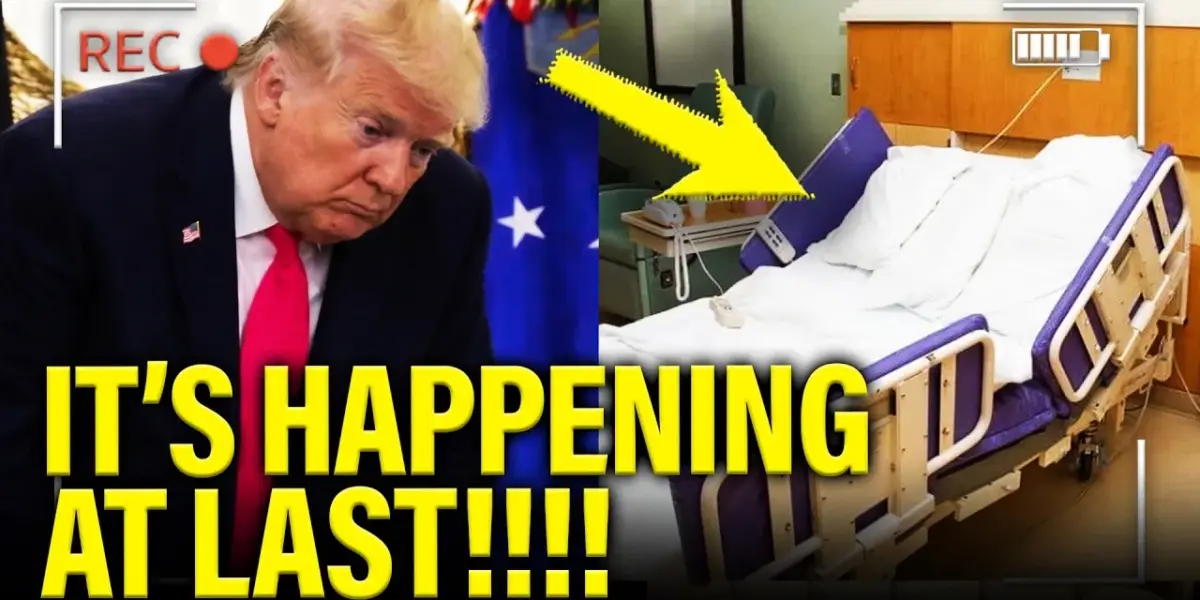
Recent congressional hearings focused on President Trump's mental and physical health, with Democrats questioning cabinet members about the 25th Amendment. Concerns were raised through public statements and expert opinions, highlighting potential cognitive decline and its implications for national security.

Concerns Mount Over President’s Mental Fitness
Recent congressional hearings have brought the topic of President Trump’s mental and physical health to the forefront. While the hearings were intended to focus on other issues, Democrats used the opportunity to question cabinet members, particularly about the 25th Amendment. This amendment allows for the removal of a president who is unable to fulfill their duties.
During these hearings, Democratic lawmakers pressed Robert F. Kennedy Jr., who leads the Health and Human Services department, on President Trump’s fitness for office.
They presented statements and clips highlighting instances that raised questions about his cognitive and physical state. These included observations of his physical movements and public statements that seemed unusual or out of context.
Questions Arise from Public Statements
Examples cited during the hearings included President Trump’s remarks about having a good relationship with Iran, which were juxtaposed with reports of Iranian media mocking the claim. He also expressed unfamiliarity with the term “corner store” during a press conference, a common phrase for small businesses. These instances, among others, were used to suggest a pattern of cognitive decline.
Further questions were raised when President Trump stated he was not a senior citizen, despite being in an age group typically defined as such. He spoke about helping seniors while also saying he himself was not a senior. This statement, along with others, fueled the discussion about his perception of reality and his own condition.
Testimony on the 25th Amendment
Representative Mark Takano questioned Secretary Kennedy Jr. about a statement President Trump made regarding a “civilization” potentially dying. He also brought up late-night social media posts from the President, including an attack on Pope Leo and an image of himself as Jesus Christ. Takano asked if the Secretary shared concerns about the President’s mental health.
Secretary Kennedy Jr. repeatedly avoided directly answering questions about President Trump’s mental fitness. He instead focused on President Trump’s negotiation tactics or stated that the President was a “bargainer.” This lack of direct response led to accusations of being unresponsive and prioritizing loyalty to the President over constitutional duty.
Expert Opinions and Observations
The discussion extended to include opinions from experts. Professor Jeffrey Sachs, a distinguished professor of international affairs, described President Trump as potentially psychopathic, impulsive, paranoid, and a megalomaniac. He argued this is not the kind of person suitable for the presidency, especially in times of global instability.
Dr. John Gardner, a physician, also voiced concerns, suggesting President Trump shows signs of dementia, specifically frontal temporal dementia. He explained this condition can lead to a loss of impulse control, memory issues, and confusion. Dr. Gardner noted that the condition tends to worsen over time, leading to erratic behavior.
Concerns About Decision-Making and Global Impact
The transcript highlighted concerns that a president experiencing cognitive decline could make dangerous decisions, especially during times of international conflict. The argument was made that adversaries like China and Russia might perceive weakness and exploit it. This adds a layer of national security concern to the discussions about the President’s health.
The hearings also touched upon the perceived collapse of governmental processes, with claims that consultations with Congress and the National Security Council are lacking. This situation, combined with concerns about the President’s mental state, was described as a dangerous form of one-man rule.
Why This Matters
The discussions surrounding President Trump’s mental and physical fitness are significant because the President holds immense power. The 25th Amendment exists as a safeguard for situations where a president is deemed incapable of performing their duties. The debate shows a deep division on how to assess and address such concerns, with political loyalties often appearing to outweigh direct answers.
This situation raises critical questions about accountability and the standards expected of a nation’s leader. It highlights the importance of transparency and a willingness to confront difficult truths, especially when the stability and security of the nation are at stake.
Looking Ahead
The focus on the 25th Amendment and the President’s health is likely to continue. Future congressional sessions may bring further scrutiny and calls for assessments. The public’s awareness of these issues, fueled by media coverage and expert opinions, will play a key role in shaping the ongoing conversation.
As the nation faces various challenges, the perceived fitness of its leader remains a central concern. The events discussed at these hearings serve as a clear reminder of the responsibilities and vulnerabilities associated with the highest office in the land.
Source: Trump PANICS as Cabinet TESTIFIES on 25TH AMENDMENT!!! (YouTube)

Related Articles


Nature’s Healing Power: Green Spaces Boost Health, Study Shows
New research presented by Professor Baroness Kathy Willis CBE highlights the profound impact of nature on human health. Studies show that access to green spaces reduces stress, improves mental and physical health, and even lowers mortality rates from heart disease and stroke. The findings emphasize that nature is not a luxury but an essential element for well-being.

GOP Faces Midterm Meltdown as Trump’s Numbers Tank
Republican midterm anxieties are growing as Donald Trump's approval ratings plummet, signaling potential significant losses. Analysts point to a shifting political environment and Democratic candidate recruitment as key factors favoring the party. The election is increasingly viewed as a referendum on Trump, with analysts urging Republicans to "hit the panic button."


Trump’s Strait of Hormuz Claims Crumble Amidst New Conflict
Donald Trump's confident declarations about the Strait of Hormuz being open have been sharply contradicted by Iran's actions. Following his pronouncements, Iran closed the strait and began firing on tankers, turning a claimed victory into a new crisis. This rapid reversal raises concerns about market manipulation and who truly benefits from ongoing conflicts.