US-Iran Peace Talks Stall; Gap ‘Wider Than Strait of Hormuz’
Peace talks between the U.S. and Iran remain stalled, with a significant gap described as 'wider than the Strait of Hormuz.' Despite White House optimism about ending the conflict and lowering gas prices, public opinion shows weariness and concern over the war's economic toll. International diplomatic efforts continue, but major hurdles persist in resolving key issues.

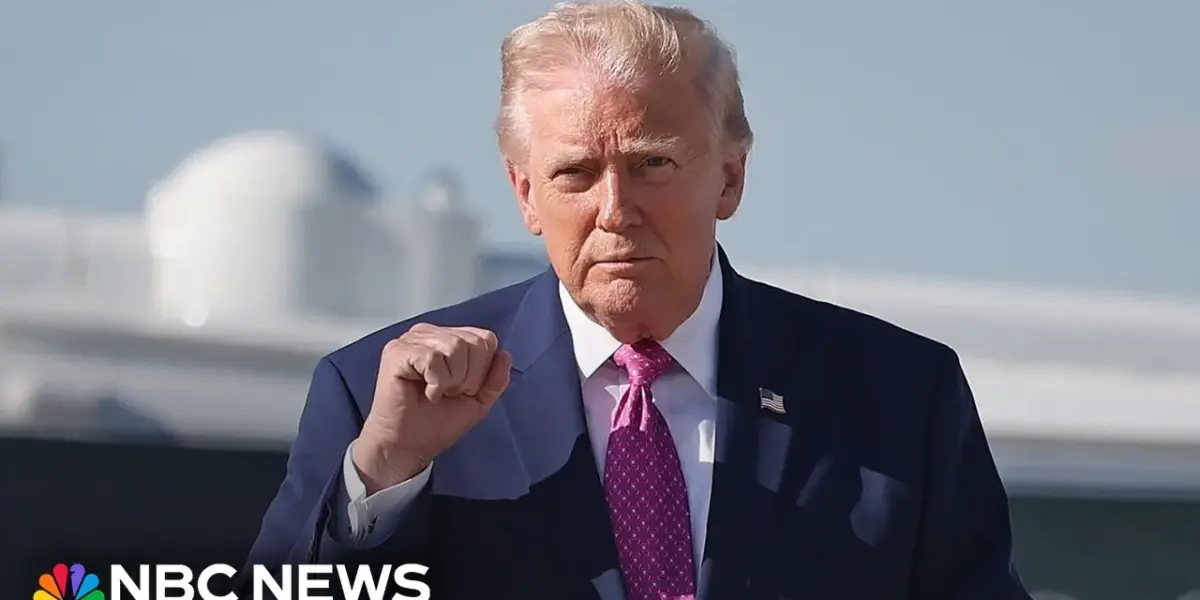
US-Iran Peace Talks Stall; Gap ‘Wider Than Strait of Hormuz’
WASHINGTON D.C. – As the United States and Iran continue to pursue a potential peace deal, a significant divide remains between the two nations, described by one official as “wider than the Strait of Hormuz.” White House officials are projecting optimism about the war’s end and lower gas prices, but on-the-ground reporting and public opinion suggest a more complex reality.
White House Projects Optimism Amidst Ongoing Conflict
President Trump has repeatedly expressed confidence that the conflict with Iran is nearing its end, stating, “I think it’s close to over.” He believes Iran “wants to make a deal very badly” and suggested that withdrawing U.S. forces now would leave Iran unable to rebuild for decades. This optimistic outlook extends to the economy, with Treasury Secretary Steven Mnuchin predicting gas prices could fall below $3 a gallon by the summer, specifically between June 20th and September 20th.
However, gas prices currently remain above $4 a gallon, a significant increase since the conflict began. Despite these economic concerns, the stock market, with the S&P and Nasdaq reaching new record highs, appears to be largely unbothered by the ongoing tensions.
Stalemate in Negotiations and Military Actions
Despite the White House’s hopeful tone, peace negotiations appear to be at an impasse. A recent round of talks in Pakistan lasted about 21 hours, but no further discussions are currently scheduled. The U.S. offered Iran a 20-year minimum commitment to not pursue nuclear weapons, while Iran countered with a 3-to-5-year window, neither of which was acceptable to the parties involved. The U.S. military continues to enforce a naval blockade of Iranian ports, turning away nine vessels in the first 48 hours. In response, Iran has threatened to block maritime traffic in the Persian Gulf and the Red Sea if the blockade persists.
Public Opinion Reflects War Weariness
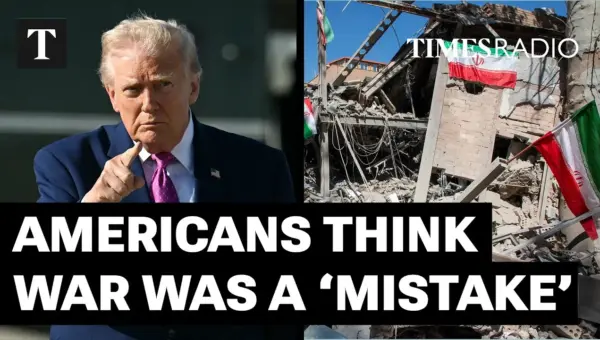
New polling reveals that the war with Iran is becoming a political liability for the President. A majority of Americans, 60%, disapprove of the U.S. military’s strikes on Iran, and 51% believe the war has not been worth the cost. Furthermore, 63% of Americans anticipate gas prices will worsen over the next year due to the conflict, with 54% reporting a negative impact on their personal finances.
International Diplomatic Efforts
Efforts to broker a peace deal involve international players. Pakistan’s Prime Minister is reportedly meeting with officials in Saudi Arabia, Turkey, and Qatar to discuss the situation. Keir Simmons, NBC News Chief International Correspondent, reporting from Saudi Arabia, stated that “there’s actually an awful lot of work to do” and that the gap between the U.S. and Iran is substantial. Key issues include Iran’s insistence on continuing uranium enrichment and its desire for control over the Strait of Hormuz.
“The gap between the Americans and the Iranians is wider than the Strait of Hormuz. I mean, it really there really are a number of issues that are huge.”
Economic Repercussions and Market Resilience
The potential blockade of the Strait of Hormuz and areas like the Bab el Mandeb strait in the Red Sea poses a significant threat to global oil and gas supplies. Saudi Arabia’s pipeline to the Red Sea, carrying about 7 million barrels of oil a day, could be impacted. While the threat came from an Iranian military commander, it highlights the precariousness of the region’s energy infrastructure. Despite these risks, the U.S. economy has shown resilience, shaking off shocks from tariffs and rising energy costs. Companies are performing well, and Wall Street reflects this, though the oil market remains a key indicator of global stability.
Federal Reserve Controversy and Market Stability
Adding to the political and economic complexities, the Federal Reserve is facing upheaval. Senator Thom Tillis has placed a hold on the confirmation of Kevin Walsh as the new Fed Chairman, citing concerns about the Department of Justice’s probe into Federal Reserve Chair Jerome Powell. President Trump has also publicly feuded with Powell, threatening to fire him. Despite this internal turmoil and external geopolitical risks, investors seem largely unfazed, focusing on the perceived strength of U.S. companies and the futures market’s expectation of a resolution to the conflict.
Looking Ahead
As the ceasefire deadline approaches, the focus remains on whether diplomatic efforts can bridge the significant gap between the U.S. and Iran. The upcoming presidential trip to China, amid intelligence suggesting Beijing could supply Iran with air defense weaponry, adds another layer of complexity. The public’s concern over gas prices and the war’s economic impact will likely continue to pressure the administration, while the Federal Reserve navigates a politically charged transition.
Source: U.S. and Iran work on peace deal but gap between them 'wider than the Strait of Hormuz' (YouTube)

Related Articles

Greenland’s Leader: Trump’s Threats Make Citizens Unsafe
Greenland's Prime Minister revealed that citizens felt unsafe and angry after then-President Trump's 'threats' to buy the island. The comments highlight the human impact of geopolitical discussions on national sovereignty.
Iran Shuns Trump’s Deal Demands, Escalating Global Tensions
Iran has rejected President Trump's demands in ongoing negotiations, leading to heightened global tensions. Pakistan has stepped in as a mediator amid fears of escalating conflict. Meanwhile, the White House press briefings presented mixed messages on the economy and policy, facing scrutiny over strategy and communication.
US-Iran Ceasefire Talks Advance Amid Mixed Signals
Negotiations between the U.S. and Iran are advancing towards a potential ceasefire extension, with Pakistan mediating a framework agreement. While Iran sends mixed signals, threatening the Red Sea but open to discussing the Strait of Hormuz, the core issue remains Iran's nuclear ambitions. The war's necessity and economic costs face growing international criticism.